


The Subtle Echo of Simpler Times
Forget the cartoonish clichés of the 1990s—the neon windbreakers, grunge flannel, and boy band parachute pants. The revival spotted on the runways of Prada, Fendi, Gucci, and Zegna is far more subtle, sophisticated, and frankly, more wearable. It’s the *other*
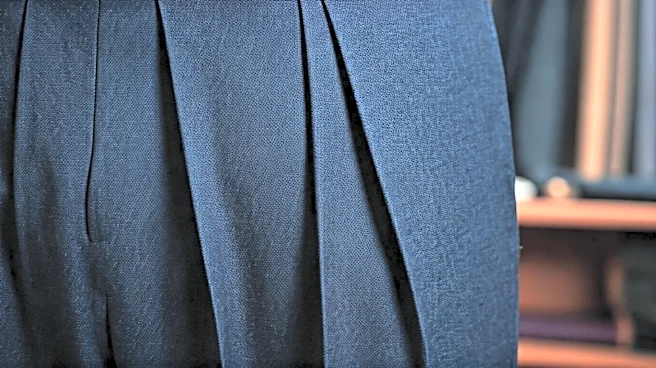
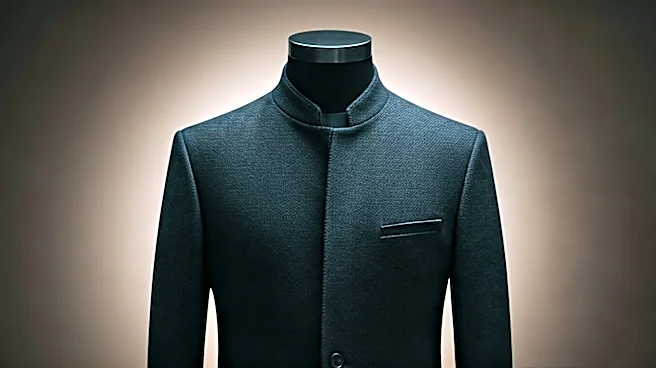
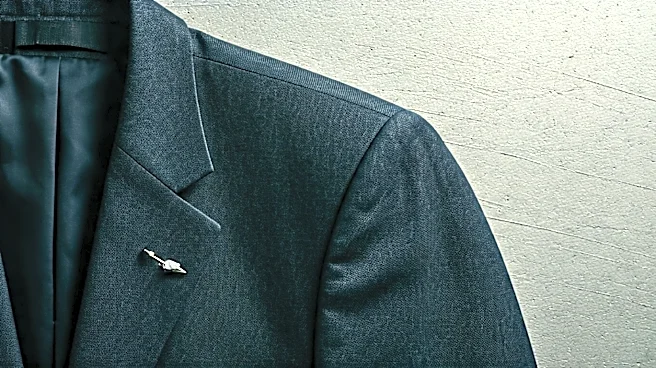
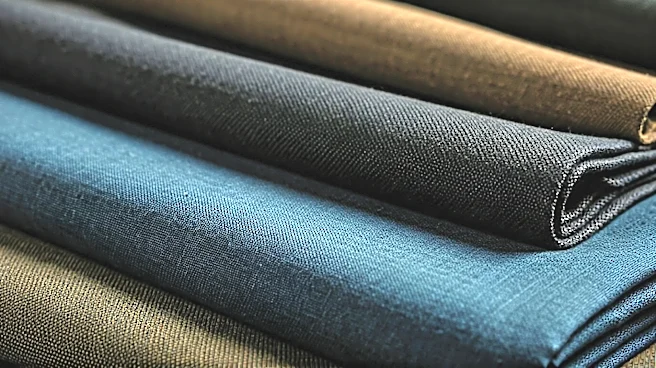
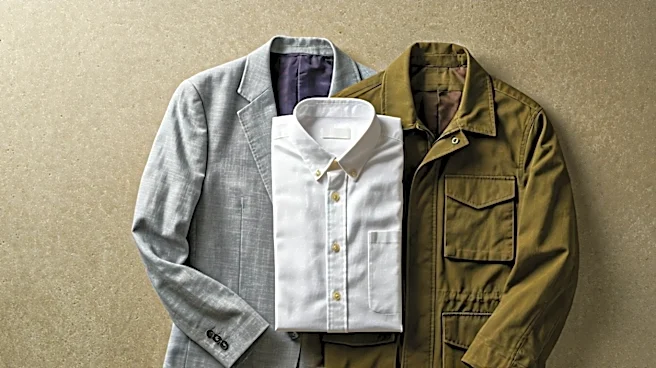
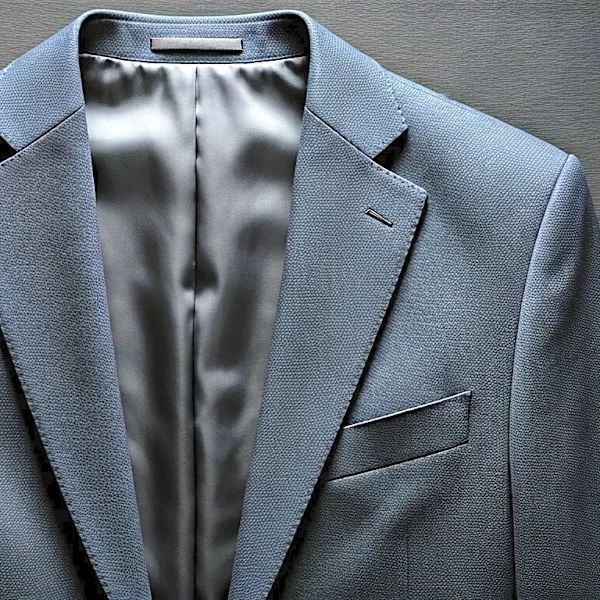
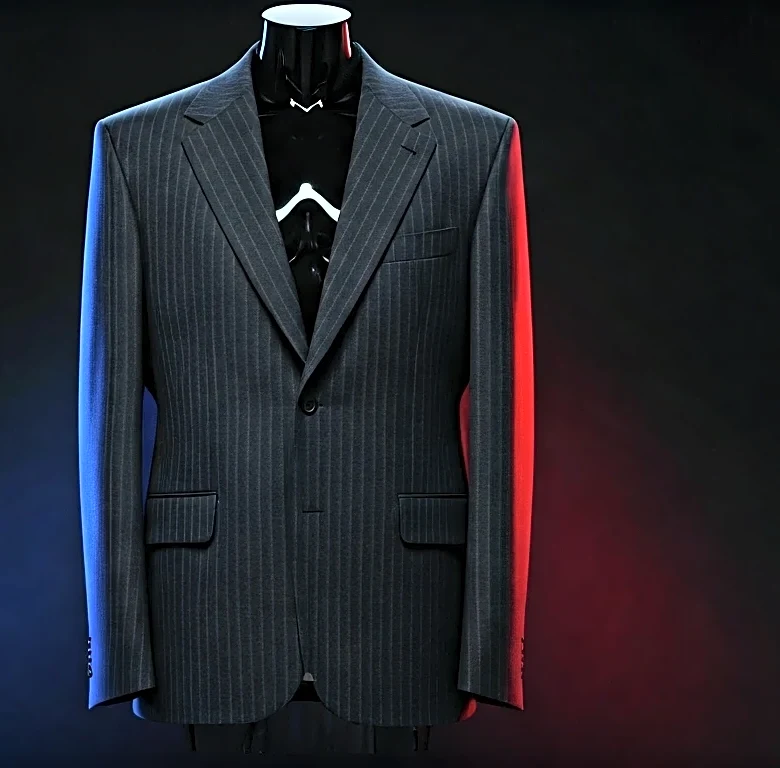
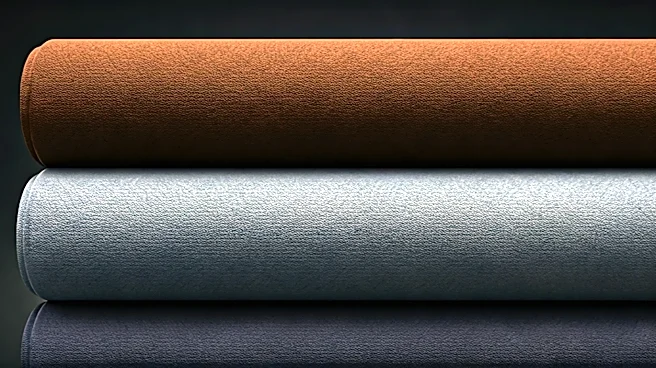
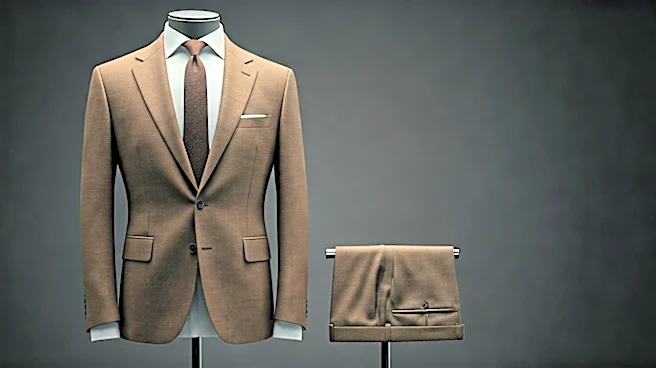
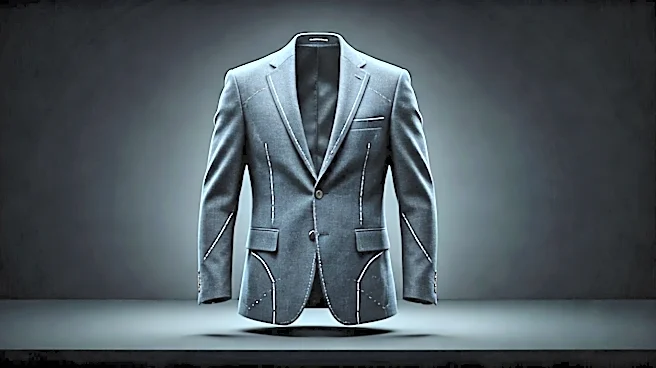
'90s: the pre-internet era of clean, minimalist aesthetics, where luxury whispered instead of shouted. Think of the pared-down elegance of a Helmut Lang collection or the intellectual sleekness of early Prada menswear. What we’re seeing is a return to those core principles. Silhouettes are relaxing, with trousers becoming fuller and jackets losing their constricting sharpness. Shoulders are broad but natural, not power-suit sharp. The color palette is muted and earthy—charcoal, beige, olive, and navy dominate, creating a sense of sober calm. It's a look built on luxurious fabrics and impeccable, if relaxed, tailoring rather than flashy logos or loud graphics. It’s '90s minimalism, refined for the 2020s.
A Reaction Against Digital Noise
So, why now? This comeback isn’t just another spin of the 20-year trend cycle. It’s a direct reaction against the aesthetic that dominated the 2010s: the hyper-visible, algorithm-fueled, logo-heavy world of streetwear. For a decade, menswear was defined by drop culture, conspicuous branding, and dressing for the Instagram grid. It was loud, graphic, and often, exhausting. The return to '90s minimalism is a collective exhale. It represents a desire for clothing that is timeless, practical, and personal. In an age of digital over-saturation, this style offers a kind of offline anonymity. It’s about feeling good in your clothes, not just looking like you belong to a certain hype tribe. By stripping away the noise, designers are refocusing on the fundamentals: silhouette, texture, and quality. This isn't anti-fashion; it's a recalibration toward clothing that serves the wearer, not their social media feed.
The New Uniform for an Anxious Era
There’s a deeper psychological current at play. The 1990s, viewed through the rose-tinted lens of nostalgia, can feel like the last “normal” decade—a period of relative peace and prosperity before the disruptions of 9/11, the 2008 financial crisis, and the omnipresent anxiety of the digital age. The menswear of that period reflected a certain pragmatic, un-fussy confidence. It was a uniform for getting things done. Today, amid economic uncertainty and cultural upheaval, that same sense of reliable, understated style feels incredibly appealing. It’s a sartorial security blanket. A well-made, simple car coat or a pair of perfectly cut, wide-leg trousers requires no explanation. They are functional, handsome, and durable. This aesthetic provides a sense of control and stability in a world that feels anything but. It’s a quiet armor for navigating complex times, suggesting competence and seriousness without being stuffy or old-fashioned.
How It Will Trickle Down to You
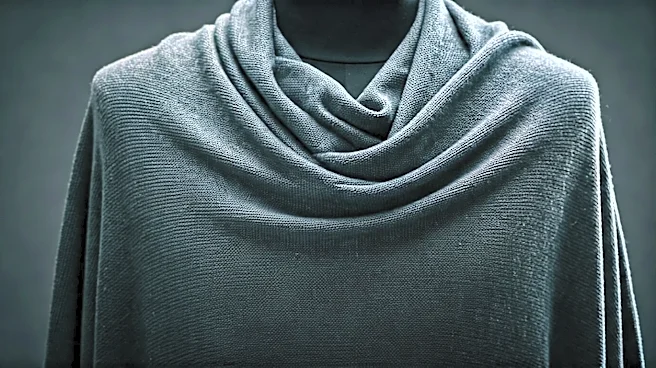
While you may not be buying a $3,000 Zegna chore coat, the influence of this Milanese mood will be felt everywhere within the next year. Mainstream retailers from J.Crew to Zara will inevitably absorb these ideas. Look for trousers to continue getting wider and more pleated. Denim will lean into relaxed, straight-leg fits in darker, cleaner washes. Knitwear will get chunkier and more textural, serving as a focal point in place of a graphic tee. Outerwear will be key, with an emphasis on simple, functional shapes like car coats, bomber jackets, and sophisticated technical parkas. The biggest shift will be in mindset. The trend encourages buying fewer, better things. Instead of chasing the latest sneaker drop, the focus shifts to finding the perfect pair of leather loafers, a timeless wool overcoat, or a perfectly broken-in leather jacket. It’s a move toward building a personal uniform rather than just collecting hyped items.