
The Anatomy of a Festival Ovation
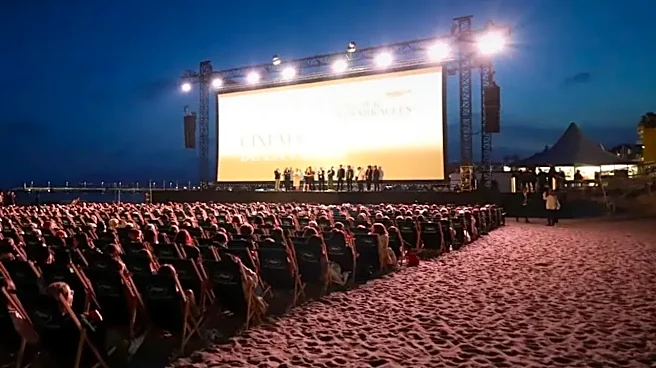
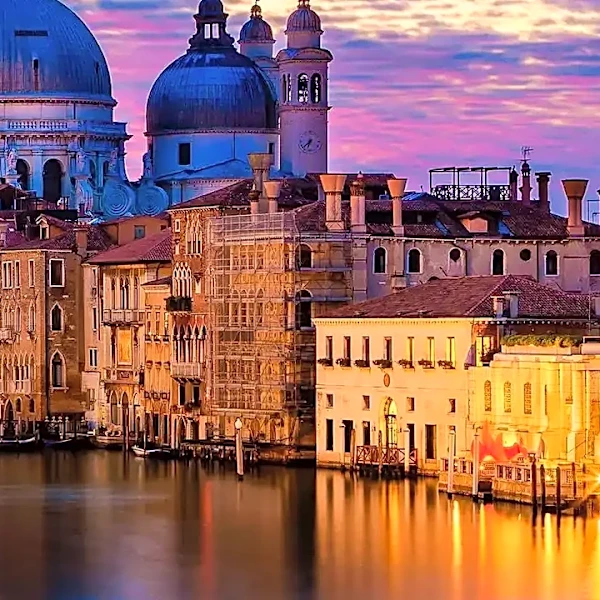
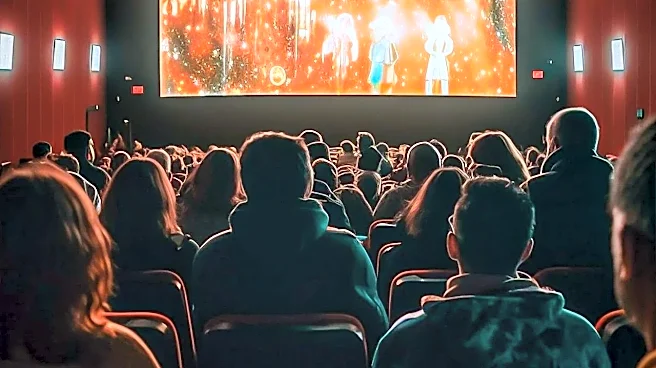
First, let's set the scene. A premiere at a major festival like Venice isn't a typical Friday night at the multiplex. The audience is a unique cocktail of people with very different agendas. You have the film’s cast, crew, and their families, who are
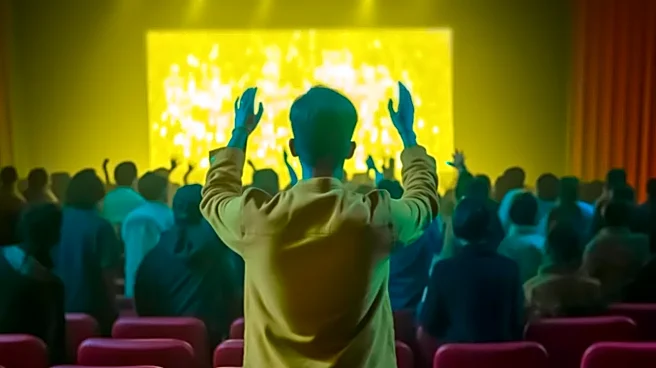
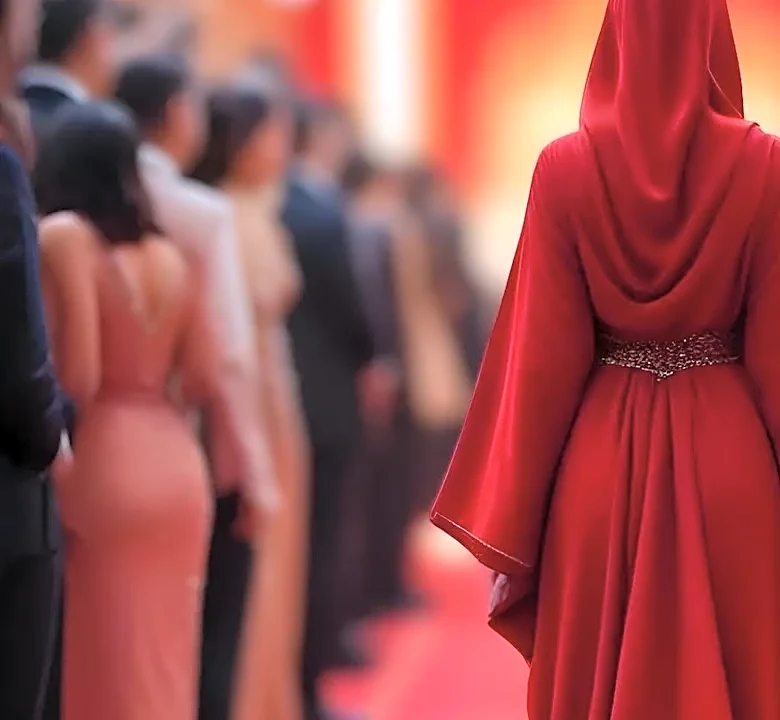
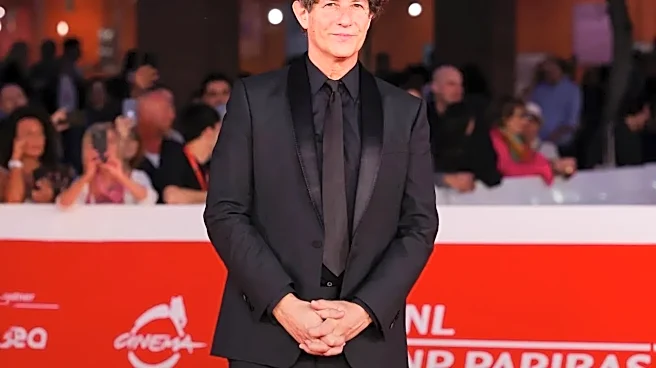
emotionally and financially invested. You have distributors looking to buy the next big thing, critics on deadline, and a slice of the public lucky enough to snag a ticket. When the credits roll and the lights come up, the applause that follows is often performative. Cameras are trained on the director and stars, capturing every tearful embrace. This creates a feedback loop; the longer the applause, the bigger the news story. It has become a kind of sport, with trade publications breathlessly timing ovations to the second, creating a metric that feels official but often signifies very little. This applause is less a pure critical judgment and more a televised, high-stakes expression of relief, support, and PR strategy.
When Boos Don't Bury a Film
If a standing ovation can be misleading, so can its opposite. A chorus of boos might seem like a death sentence, but history tells a different story. When David Fincher's "Fight Club" premiered at Venice in 1999, it was met with audible jeers. As star Edward Norton recalls, the reaction was so poor that Brad Pitt turned to him and declared, "That's the best movie I'm ever going to be in." Pitt was happy, believing the negative reaction from the stuffy festival crowd was a badge of honor. He was right. The film, a box office disappointment on its initial run, went on to become one of the defining cult classics of its generation. This isn't an isolated incident. Masterpieces from legendary directors have been met with hostility at their festival debuts, only to be vindicated by time. The initial, loud reaction was just that—a reaction, not a final verdict.
The Standing Ovation Inflation Bubble
In recent years, the length of standing ovations has escalated to almost comical levels, a phenomenon some wags have dubbed the "ovation Olympics." Films now regularly receive applause lasting 10, 12, or even 15 minutes. In 2025, one film reportedly received a staggering 23-minute ovation. Yet, data analysis and industry wisdom confirm there is no meaningful correlation between the length of an ovation and a film’s future success, be it at the box office or on the awards circuit. Many films that earned thunderous, marathon applause have quickly faded from memory, while shorter, more polite receptions have preceded critical and commercial triumphs. The ovation has become a strange, self-perpetuating bubble. It generates a good headline and a viral clip, but it's an unreliable barometer of quality. It's the sizzle, not the steak.
The Signal That Actually Matters
So if you can't trust the applause, what should you look for? The answer is far less dramatic but much more telling: the awards. Specifically, the festival's top prize, the Golden Lion. Winning the Golden Lion is one of the most prestigious honors in cinema, and its recipients often go on to great acclaim. Recent winners include modern classics like "Poor Things," "Nomadland," and "The Shape of Water," all of which became major players at the Academy Awards. In 2019, Todd Phillips' "Joker" shocked the film world by winning the Golden Lion. While its eight-minute standing ovation was noted, it was the jury's top prize that signaled the film was being taken seriously as a work of art, vaulting it beyond its comic book origins and into the main awards conversation. The Golden Lion is a verdict delivered by a jury of esteemed filmmakers and artists after careful deliberation, a far cry from the spontaneous, emotional, and often biased reaction of a premiere audience.