


The Philosophy: Intentional Nonchalance
Before we talk specifics, understand the guiding principle of Pitti style: *sprezzatura*. It's a uniquely Italian concept of studied carelessness, of making something difficult look effortless. For an insider, a collar is never an accident. Whether it’s
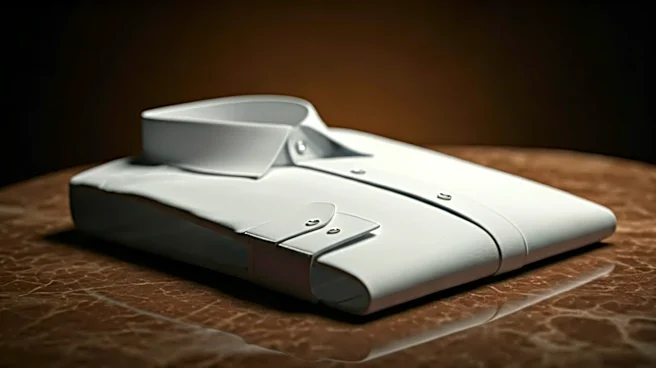
perfectly crisp or artfully unbuttoned, the choice is deliberate. The goal isn't just to wear a nice shirt, but to communicate a certain ease and confidence. A stiff, corporate-looking collar at Pitti would be like wearing hiking boots to a ballet—it shows you don’t understand the context. The first step is to see the collar not as a default part of a shirt, but as the primary tool for shaping your neckline and overall silhouette.
The Power Play: The Extreme Cutaway
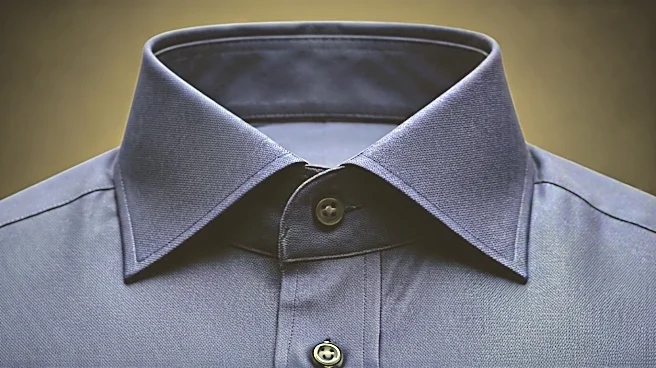
Walk through the Fortezza da Basso during Pitti, and you'll see a sea of cutaway collars. These are collars where the points spread aggressively wide, sometimes almost horizontally. Why? It's a power move born from Neapolitan tailoring. The wide spread creates a dramatic space to showcase a beautiful tie, especially one with a substantial Four-in-Hand or Windsor knot. It telegraphs confidence and a deep appreciation for tailoring. Worn without a tie, it sits elegantly under the lapels of a sport coat, creating a clean, sweeping line. It says, “I know the rules of classic menswear, and I know how to bend them with flair.” This isn't a collar for the faint of heart; it's for someone who wants their tailoring to do the talking.
The Casual Flex: The One-Piece Collar
Perhaps the most 'insider' choice of recent years is the one-piece, or 'Hollywood,' collar. In this construction, the collar and the placket (the front strip with the buttonholes) are crafted from a single piece of fabric. This allows the collar to stand up on its own and create a beautiful, continuous roll from the top button downward. Worn open, it frames the neck perfectly without collapsing under a jacket. It's the ultimate 'no tie needed' statement. It has a relaxed, mid-century vacation vibe, recalling icons like Gary Cooper. Choosing a one-piece collar shows you value construction and history. It's a subtle flex that separates the enthusiasts from the masses, proving you can be relaxed and impeccably dressed simultaneously.
The Reimagined Classic: The 'Unbuttoned' Button-Down
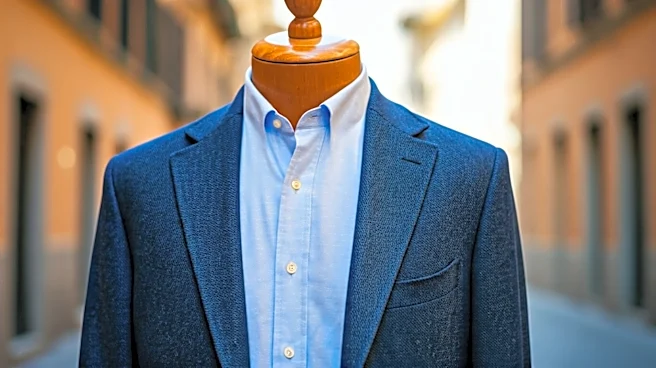
The button-down is an American classic, but at Pitti, it's treated with Italian sensibility. Forget the stiff, fused collars of the office. Insiders favor soft, unlined button-downs that allow for a graceful 'S' roll where the collar points curve. Often, they’ll leave the collar points unbuttoned, a move of pure sprezzatura that horrified traditionalists but has become a signature of modern Italian style. It’s a way of taking a formal staple and making it feel personal and relaxed. Some even wear them with ties, letting the soft roll arch elegantly over the tie knot. The key is the quality of the shirt itself—it must be well-made enough to look good even when 'imperfectly' worn.
The Final Check: Collar Meets Lapel
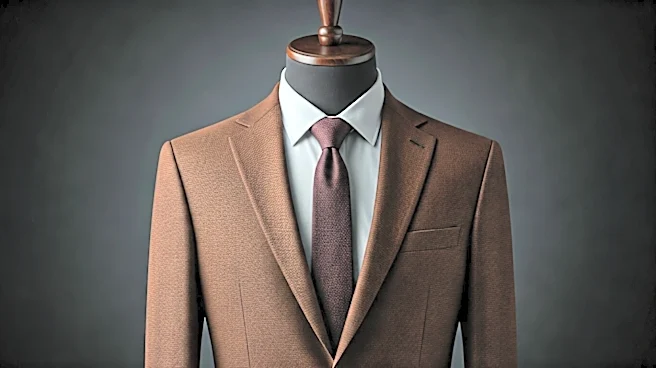
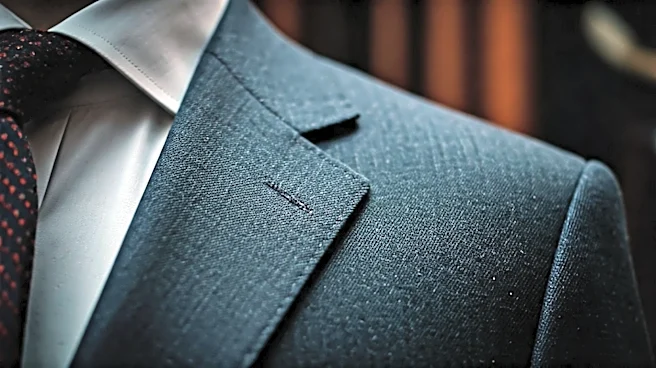
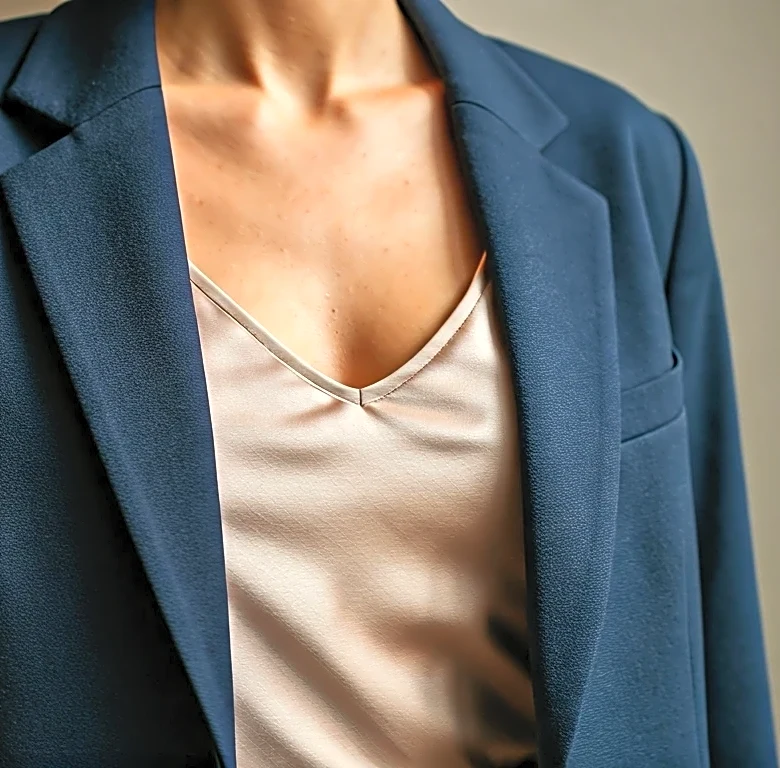
The ultimate test of a well-chosen collar is how it interacts with the jacket. An insider never chooses a shirt in a vacuum. The rule of thumb is balance. A jacket with wide, dramatic peak lapels demands a collar with presence, like a generous spread or cutaway. A skinny lapel paired with a huge collar looks comical, and vice-versa. The collar points should ideally nestle just under the lapels or have their tips covered by them. When a collar's points float awkwardly above the lapels or get lost underneath them, it disrupts the entire look. For the Pitti crowd, this harmony between collar and lapel is non-negotiable; it’s the final detail that separates a good outfit from a great one.