




The Thesis Statement in Thread
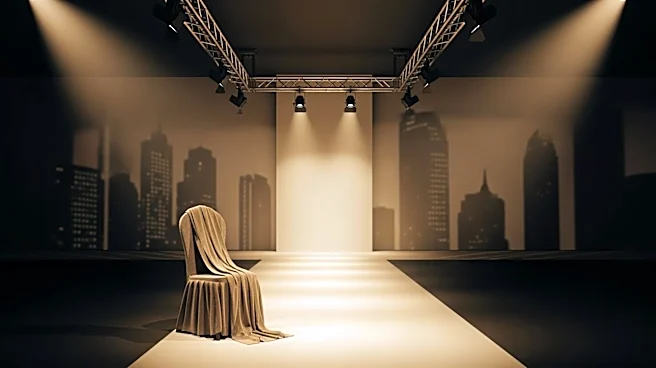
So, what exactly is the First Exit? In the simplest terms, it’s the very first look—the first model wearing the first complete outfit—to walk down the runway in a fashion show. But in the coded language of high fashion, it’s everything. Think of it as the thesis
statement for the designer’s collection. In one focused statement, it’s meant to communicate the mood, the silhouette, the core color palette, and the central idea that will be explored, expanded upon, and sometimes even contradicted over the next 10-15 minutes. While the final look offers a dramatic conclusion, the first look is the foundational premise. It’s the designer grabbing the audience by the lapels and saying, “Pay attention. This is what I want to talk about this season.”
Setting the Immediate Tone
More than any other look, the First Exit establishes the emotional and aesthetic tone of the collection. Is the model stomping out in heavy, militaristic boots and a severe, angular coat? You can expect a collection built on themes of structure, protection, or aggression. Do they glide out in soft, flowing trousers and a gossamer-thin knit? The designer is likely exploring vulnerability, ease, and comfort. This first look is a powerful atmospheric tool. It’s the opening scene of a film or the first chord of a song; it immediately tells you whether you’re in for a drama, a romance, or a thriller. For menswear fans who follow designers season after season, this moment is a crucial signal. It answers the question: is the designer continuing a conversation from last season, or are they starting an entirely new one?
The Commercial Compass
While runway shows are often filled with avant-garde pieces that won’t ever see a store shelf, the First Exit frequently serves a surprisingly practical purpose. It often functions as a commercial anchor. Designers and their teams know that the first look receives a disproportionate amount of photographic and social media attention. As a result, it’s often one of the most digestible, wearable, and, ultimately, buyable outfits in the entire lineup. It might feature the season’s must-have jacket, the key sneaker, or the new shape of trouser that the brand intends to push commercially. For department store buyers and fashion editors, the first exit is a powerful clue. It distills the brand’s commercial ambitions into a single, comprehensive look, telling them which pieces to bet on for the coming season.
A Reset or a Riff?
The context of the brand is critical. When a new creative director takes the helm of a storied fashion house, their very first “First Exit” is one of the most scrutinized moments in the industry. It’s their public declaration of intent—a signal of what they plan to keep, what they will discard, and what new direction they will forge. Will they honor the house’s archives or blow them up entirely? The answer is often packed into that first outfit. Even for established designers, the first look can signal a creative reset. After seasons of exploring a particular theme, a radically different First Exit can announce a pivot, shocking the audience into seeing the brand with fresh eyes. It’s a way of saying, “Everything you thought you knew about us? Forget it. We’re starting over.”
How to Read the Runes
For those looking to join the obsession, reading the First Exit is a skill that can be learned. It’s about active observation. Don't just see a jacket and pants; look at the details. Notice the proportions: is the silhouette slim and sharp, or is it oversized and relaxed? Look at the styling: is the shirt tucked in tightly, or is it hanging loose? Are the shoes polished or scuffed? Each of these choices is a deliberate message from the designer. By paying close attention to that first model on the runway, you’re not just seeing an outfit. You’re being given the key—the Rosetta Stone—to decode the entire collection that follows.