
A Festival Built for the Public
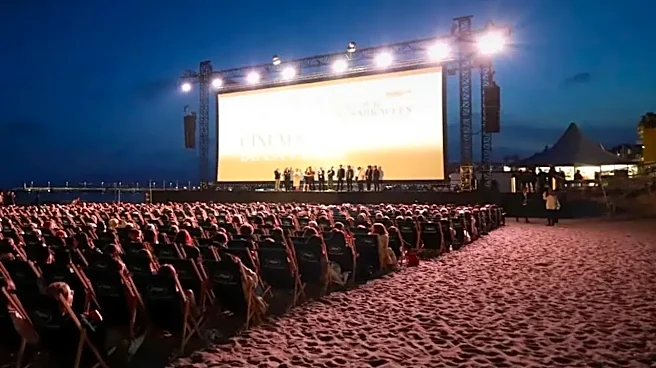
At its core, the LFF is designed as a massive public event. Its stated mission is to bring the best in world cinema to UK audiences, often showing films that might not otherwise get a theatrical run. Unlike
some more exclusive festivals, the LFF is deliberately accessible. Screenings take place not just at the BFI's Southbank cultural hub but in cinemas across London and the UK, and the programming is arranged into intuitive thematic strands like 'Love, Debate, Dare and Thrill' to help audiences navigate hundreds of films. This audience-first approach fosters a genuine sense of discovery for thousands of attendees, from film obsessives to first-timers. The festival’s calendar is packed with gala screenings, Q&A sessions with directors and actors, and even free events, all designed to deepen the public's connection with the art of filmmaking.
An Indispensable Industry Hub
While the public enjoys the show, a completely different festival is happening in tandem. For film professionals, the LFF is a critical stop on the international calendar. The festival's Industry Forum brings together thousands of delegates for an intense program of screenings, panel discussions, and networking events. Filmmakers, distributors, sales agents, and financiers from around the globe descend on London to buy and sell films, forge co-production deals, and scout new talent. Specific, targeted events are the engine of this marketplace. The 'Works-in-Progress' showcase, for example, presents exclusive clips of films in post-production to an invite-only audience of buyers and festival programmers, effectively acting as a launchpad into the international market. Success stories from this program are numerous, with films going on to premiere at Sundance, Locarno, and Edinburgh.
The Symbiotic Relationship
The true genius of the LFF is how these two worlds—public and industry—don't just coexist but actively fuel each other. The public buzz generated by a sold-out premiere or a surprise hit can be the most powerful marketing tool a little-known film has. A wave of positive audience reaction can create a bidding war among distributors who are on the ground, monitoring social media and gauging the public mood. The festival's prestigious Audience Awards are a key indicator of a film's commercial potential. Furthermore, the major red-carpet galas, designed for public and media appeal, bring in A-list talent. That star power not only delights fans but also creates invaluable press, raising a film's profile and making it a more attractive investment for industry dealmakers. The glamour of the public festival adds tangible value to the business being conducted in the back rooms.
A Model of Art and Commerce
This blended model is curated by the British Film Institute (BFI), a unique organization that is part cultural charity and part national film funder. This dual identity is baked into the festival's DNA. The BFI's remit to develop UK filmmaking talent and build audiences nationwide gives the LFF a different 'vibe' from more purely commercial or competitive festivals. It supports emerging filmmakers through initiatives like BFI NETWORK, whose alumni often premiere their debut features at the festival to great acclaim. By simultaneously serving public curiosity and industry needs, the LFF creates a dynamic ecosystem. The public gets to see a diverse slate of world-class films, and the industry gets a vibrant, reliable marketplace where artistic merit and audience appetite are on full display, helping ensure that great films find their way to screens long after the festival ends.