




The Fabric Is the Foundation
The primary culprit behind gaping pockets is often the fabric itself. Materials with a lot of stretch are comfortable, but their ability to 'recover' or snap back into shape diminishes over time. Each time you put your hands in your pockets or carry your phone,
you are stretching the fabric. If the fibers don't fully bounce back, the pocket opening becomes permanently elongated. This is especially true for slash pockets on pants, where the opening is often cut on a diagonal (or 'bias'), the stretchiest direction of the fabric weave. A pocket mouth cut this way is inherently prone to stretching out. Conversely, a sturdier, tightly woven fabric like a heavy cotton twill or a quality wool will hold its shape far longer than a lighter, looser weave.
An Ill-Fitting Garment Pulls at the Seams
A gaping pocket can act like a warning light for an improper fit. If a pair of trousers is too tight across the hips or thighs, the fabric will pull taut, forcing the pocket slits to spread open. This tension is the most common reason for that 'fin' effect you see on the side of your hips. It’s not necessarily the pocket’s fault; it's being pulled apart by stress from elsewhere on the garment. When trying on new clothes, don't just stand still. Sit down, walk around, and see how the pockets behave. If they pull open the moment you move or sit, it’s a strong indicator that you might need a different size or a cut with more room in the seat and thighs.
Your Pockets Aren't Cargo Bays
Our habits play a huge role in pocket health. Consistently overloading your pockets with a heavy wallet, a large phone, or a bundle of keys puts constant strain on the fabric and seams. The weight hangs from the pocket opening, gradually dragging it down and stretching it out of shape. Even just resting your hands in your pockets contributes to this slow stretching process. Over time, the internal pocket bag, which is often made of a lighter, different material than the garment's shell, can also stretch or even shrink differently during washing, pulling on the pocket opening from the inside. To prolong the life of your pockets, try to lighten the load and use a bag for heavier items.
Construction and Reinforcement Make the Difference
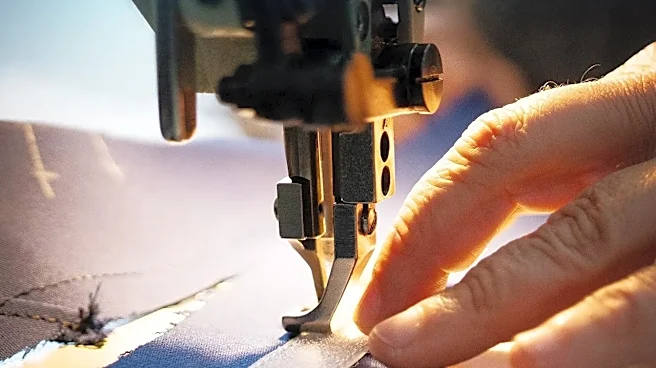
Not all pockets are created equal. The way a pocket is constructed is critical to its durability. In well-made garments, tailors often add a thin, non-stretch 'stay tape' or a piece of interfacing along the pocket opening on the inside. This hidden reinforcement prevents the edge from stretching out. Some high-quality trousers also feature a 'pocket stay,' an extension of the pocket bag that anchors to the fly zipper. This distributes the weight and stress across the front of the garment instead of letting it all hang from the side seam. Simpler constructions, like basic patch pockets sewn onto the outside of a jacket, are less prone to gaping because there's no slit cut into the main fabric. However, set-in pockets like welt or slash pockets require that internal structure to stay flat.