
The 50s Polish vs. The 60s & 70s Rebellion
The 1950s cemented the idea of Hollywood glamour as we know it. Stars like Grace Kelly and Audrey Hepburn were the picture of prescribed perfection, gracing the red carpet in sculpted gowns and immaculate jewels. This was the era of the studio system,
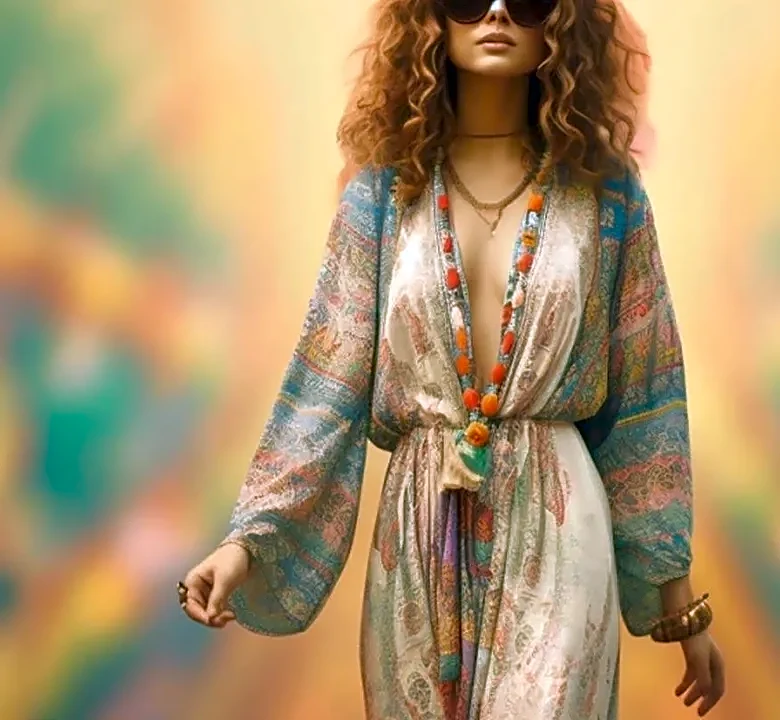
where elegance was curated and controlled. But control breeds rebellion. By the late 1960s and early 1970s, a new generation of stars began to push back. They mirrored the counter-culture movement, trading ballgowns for personality. Barbra Streisand’s 1969 sheer, sequined pantsuit was a watershed moment, a deliberate move away from the demure polish of the previous decade. The 70s continued this trend with icons like Cher embracing theatrical, midriff-baring Bob Mackie creations that were unapologetically individualistic. The message was clear: personal style had arrived, and it wasn't asking for permission.
The 80s Maximalism vs. The 90s Cool Minimalism
Fashion, like a pendulum, swung hard in the other direction for the 1980s. The decade was defined by unapologetic excess: big shoulders, big hair, and blinding sequins. Cher, once again a bellwether, arrived at the 1986 Oscars in another Bob Mackie masterpiece of defiance—a feathered, bejeweled look that was a direct statement against those who didn’t consider her a serious actress. It was loud, proud, and pure 80s maximalism. After a decade of such extravagance, the only way to react was to strip it all away. The 1990s ushered in an era of cool, calculated minimalism. Think Gwyneth Paltrow in her simple, elegant pink Ralph Lauren gown in 1999 or the rise of the slip dress. The aesthetic was clean, understated, and a deliberate palette cleanser after years of sartorial shouting. It was a rejection of “power dressing” in favor of quiet confidence.
The Safe 2000s vs. The Viral 2010s
The early 2000s saw the red carpet become a powerful branding platform. While there were standout moments, like Halle Berry's iconic Elie Saab gown, the overall trend was often one of polished but safe elegance. Stars and their stylists aimed for the “Best Dressed” list, leading to a sea of pretty, but sometimes predictable, couture. Then came social media. The 2010s reacted not just to the aesthetic of the 2000s, but to the new reality of how images were consumed. An outfit now had to be more than just beautiful; it had to be a moment. It needed to be shareable, meme-able, and capable of breaking the internet. Think of Angelina Jolie’s 2012 Versace dress with its high slit, a pose that spawned its own Twitter account. Or Jennifer Lawrence tripping on her voluminous Dior gown. These weren't just outfits; they were events, designed for a digital audience and marking a shift from merely looking good to creating a global conversation.
Today: A Reaction to All The Rules
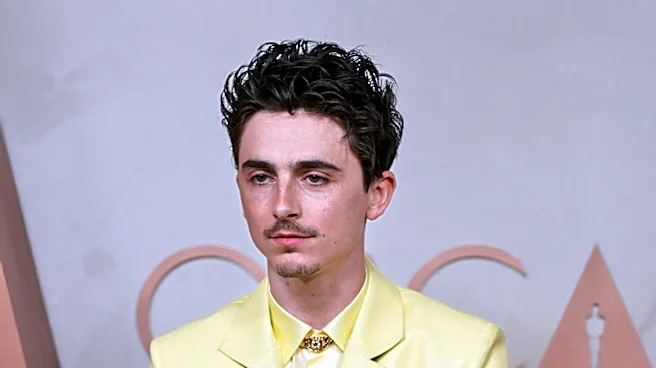
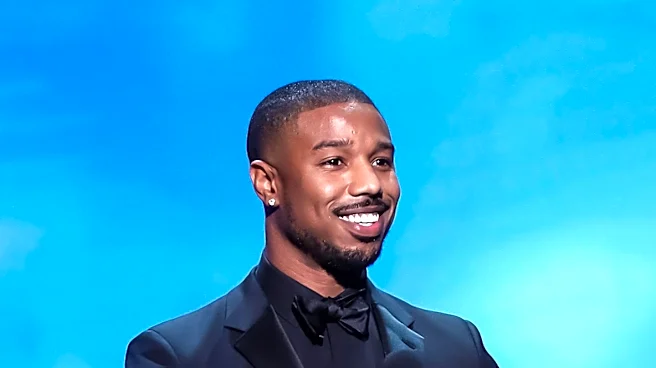
So what is today’s red carpet a reaction to? In many ways, it’s a reaction against having any single, dominant rule at all. The current era is defined by a pluralism that would have been unthinkable in earlier decades. Men are shattering the tuxedo’s monopoly, with stars like Billy Porter in a Christian Siriano tuxedo gown showing that glamour has no gender. We see the return of vintage, nods to sustainability, and deeply personal or political statements, like Natalie Portman's cape embroidered with the names of overlooked female directors. The rise of influencers has further democratized the space, bringing new ideas about style and representation. Today’s fashion is a mashup of everything that came before—a little 70s rebellion, a dash of 90s minimalism, and the 2010s understanding of viral power—all filtered through an individual lens. It suggests the ultimate reaction is the freedom to choose your own narrative.