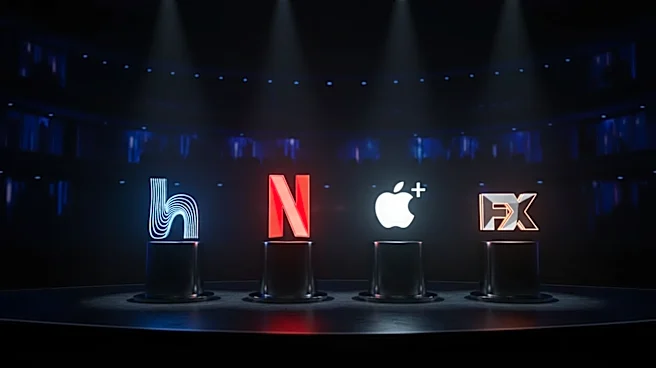









HBO: The Prestige Juggernaut
For decades, the phrase “It’s not TV. It’s HBO” was the ultimate mark of quality. That legacy is a powerful brand cornerstone that the platform, now folded into Max, continues to leverage. HBO’s awards identity is rooted in being the home of sweeping,
cinematic, and culturally significant television. It doesn't chase every trend; it creates events. Think of the cultural dominance of shows like “Game of Thrones” or “Succession.” Even today, with a more crowded field, its strategy remains focused on high-end, marquee productions that feel like major events. Critically acclaimed series like the medical procedural "The Pitt" reinforce this reputation for excellence. The network's historic willingness to grant creators immense freedom and budgets created a gold standard that defined an era of television. While its parent company's branding has caused some confusion, the core HBO programming remains a beacon for A-list talent seeking to produce their most ambitious work, ensuring its place as the perennial prestige player.
Netflix: The All-You-Can-Watch Buffet
If HBO is a Michelin-star restaurant, Netflix is the world’s biggest buffet. With an estimated content budget of $20 billion for 2026, its awards strategy is one of overwhelming volume and variety. For every high-minded drama, there are a dozen international hits, reality competitions, and blockbuster genre shows. This “something for everyone” approach means Netflix often dominates awards shows by sheer number of nominations. Their "For Your Consideration" website showcases a massive slate, though they strategically push frontrunners like the final season of "Stranger Things" and the Keri Russell thriller "The Diplomat". While this strategy has produced major wins in the limited series category with shows like "Beef", it has also led to accusations of a "Walmart-ization" effect, prioritizing quantity over the consistent quality that defined its earlier hits. The platform's pivot toward licensing more content and live events suggests an evolving identity focused more on broad engagement than curating a specific brand of prestige.
Apple TV+: The Feel-Good Challenger
Apple TV+ entered the streaming race as an underdog but quickly carved out a powerful niche: premium, star-driven, and often optimistic programming. Its strategy isn’t about having the most content, but about having the right content. This boutique approach has yielded remarkable success, transforming the iPhone maker into an entertainment powerhouse. The platform’s brand is built on feel-good, high-quality shows like “Ted Lasso” that generate positive buzz and deep viewer engagement. By focusing on a smaller, more curated slate, Apple ensures nearly every project is a contender, from sci-fi hits like "Silo" to workplace dramas like "Severance". This strategy of quality over quantity has allowed it to build a reputation for prestige and reliability, proving that a tech company can compete with and even beat Hollywood veterans at their own game by creating a brand viewers trust for uplifting and well-crafted stories.
FX: The Auteur's Playground
FX, now primarily a content hub on Hulu, has solidified its identity as the home for bold, creator-driven television. While it may not have the budget of Netflix or the historical weight of HBO, it has something equally valuable: a reputation as a place where singular artistic voices can thrive. Its awards identity is built on critically adored, often edgy, and hyper-specific shows that other networks might deem too risky. From the culinary intensity of "The Bear" to the neo-noir vibes of Ethan Hawke's "The Lowdown," FX consistently backs unique visions. This commitment to auteurs results in a slate that is critically potent and culturally relevant, attracting top-tier talent who want creative control. It’s a brand that doesn’t try to be everything to everyone; instead, it promises viewers a distinct, high-quality, and often daring experience that stands apart from the broader offerings of the streaming giants.