



Beyond the Playground Uniform
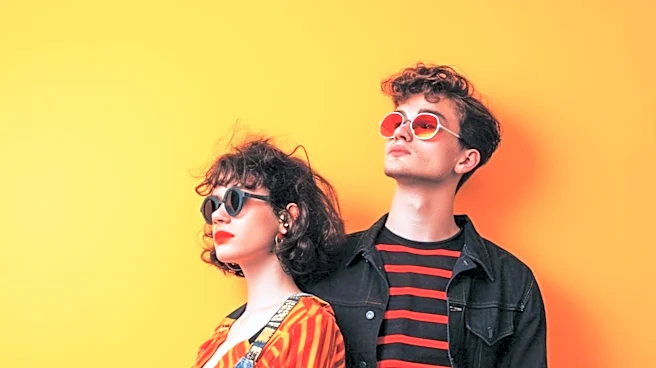
The late 2000s and early 2010s marked a distinct shift in children's fashion, moving away from the bubblegum brights and cartoon characters that had long defined it. This was the era of Indie Sleaze, an aesthetic built on a certain kind of performative
authenticity, and it trickled down to the youngest generation. The new uniform for a certain subset of kids became a miniature version of their parents’ Williamsburg or Silver Lake uniform. Think tiny skinny jeans, heather-gray zip-up hoodies, and basic, often muted, T-shirts. Brands like American Apparel became central, offering basics for the entire family, allowing for a cohesive, effortlessly “cool” aesthetic that felt miles away from traditional children's clothing. It was less about dressing children like children and more about styling them as smaller, less jaded versions of adults.
The Accidental 'Mini-Me' Prototype
While the idea of dressing children as small adults has existed for centuries, the Indie Sleaze era offered a unique, modern twist. This wasn't the luxury 'mini-me' trend of matching Gucci outfits we see today. Instead, it was an accessible, attitude-driven version. It was about capturing a specific vibe: nonchalant, artistic, and a little bit scruffy. Parents, armed with newly popular digital cameras and personal style blogs, began documenting this look. A toddler in drainpipe jeans and a band tee (for a band they'd never heard of) became a statement. It was the embryonic stage of the family-as-brand, where a child's wardrobe became an extension of the parents' cultural tastes and identity, a quiet declaration of being in-the-know.
An Anxious Authenticity
The ethos of Indie Sleaze was rooted in a reaction against the polished, mass-produced pop culture of the early 2000s. It celebrated a kind of messy, spontaneous cool, even if that messiness was meticulously crafted. This translated to childrenswear as a rejection of perceived commercialism. Dressing your child in simple, unadorned basics was seen as more authentic than dressing them in loud, character-branded apparel. It was an aesthetic choice that signaled a certain set of values—a preference for the independent over the mainstream, the understated over the garish. This laid the groundwork for the highly curated, yet supposedly authentic, world of parent influencing that would explode with the arrival of Instagram a few years later.
The Echo in Today's Wardrobe
Look at the landscape of popular children's fashion today, and the echoes of Indie Sleaze are unmistakable. The direct-to-consumer market is filled with brands specializing in minimalist, gender-neutral basics in sophisticated, earthy color palettes. The focus on simple, high-quality essentials—the modern version of that American Apparel tee—is a direct descendant of the Indie Sleaze kid’s uniform. While the silhouettes have changed (goodbye, restrictive skinny jeans; hello, relaxed-fit trousers), the core idea has persisted and evolved. The child's wardrobe is still a canvas for the parent's aesthetic. The 'beige mom' phenomenon and the curated 'kidfluencer' feed are simply the polished, algorithm-friendly successors to the grainy, flash-lit blog photos of a toddler in a tiny hoodie, looking effortlessly, artfully cool.