
The Insider’s Uniform
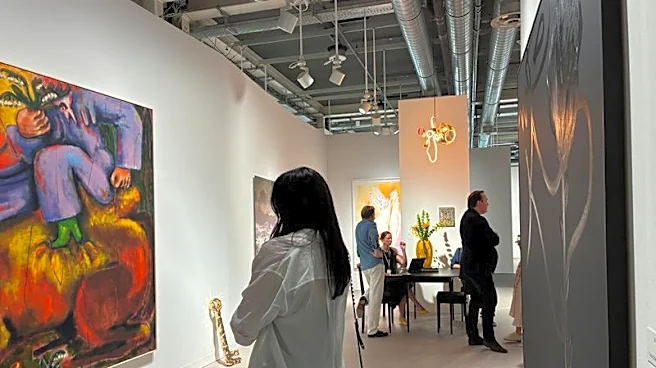
Dressing for an event like Frieze or Art Basel is a strategic exercise. While some attendees treat the aisles as a runway for performative, attention-grabbing looks, the seasoned crowd—collectors, gallerists,
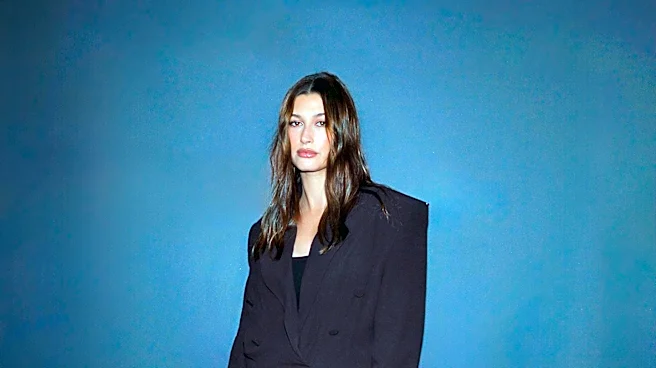
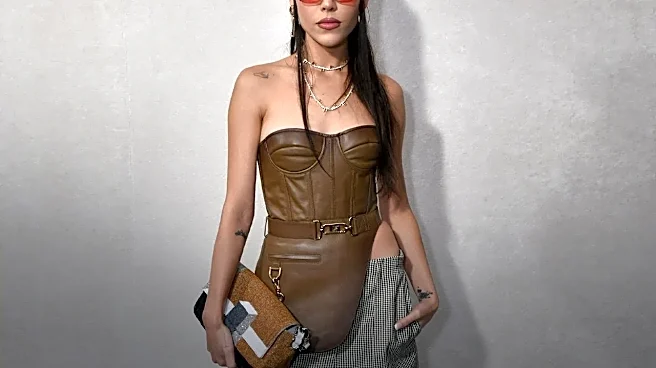
and curators—often aims for something else entirely: quiet authority. The goal isn't to compete with the art, but to look like you belong with it. This aesthetic, often dubbed 'quiet luxury' or 'stealth wealth', is less about brand names and more about communicating taste to a discerning audience. It’s an outfit that signals you’re there for a serious purpose, not just the photo opportunity. The unwritten dress code is about achieving a look that is intentional and distinctive, but restrained enough to let the art be the main event.
Fabric Is the Real Statement
The power of the quiet art-fair outfit lies in its materiality. At first glance, you might see a simple black jacket, a neutral-toned sweater, or a pair of dark trousers. But a closer look reveals the fabric's story. That jacket isn’t just any leather; it’s a buttery-soft lambskin blouson with a perfect drape. The sweater is a fine-gauge cashmere, and the shirt underneath is fluid silk that catches the light with subtle elegance. These are choices that prioritize tactile sensation and quality over flashy logos. Wool, high-quality cotton, and linen are the foundational elements. The luxury is in the feel and craftsmanship, a quality that is appreciated by those who are trained to look closely, much like appreciating the brushstrokes on a canvas.
Anatomy of the Look
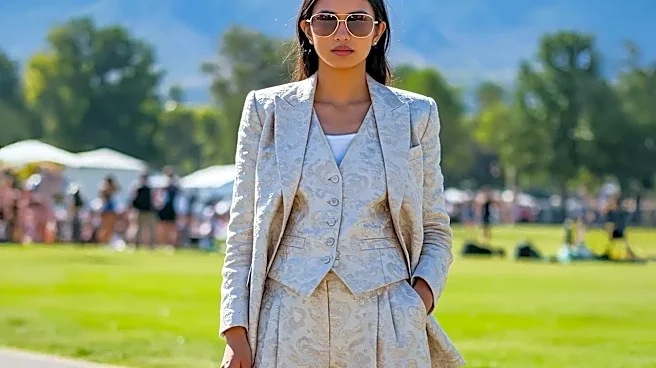
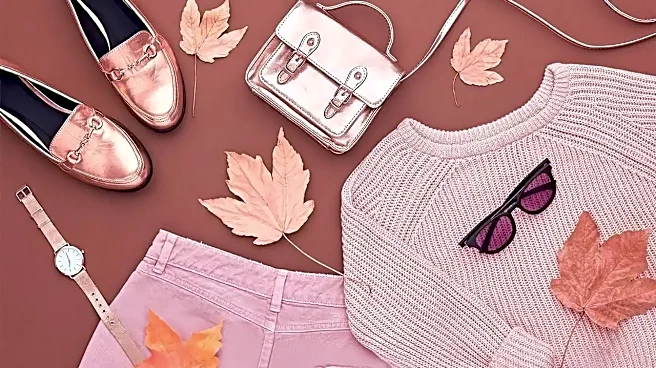
So, how does this translate into a concrete outfit? It’s a uniform built from elevated basics. It might start with perfectly tailored wool trousers or a pair of straight-leg denim, creating a clean silhouette. Up top, a crisp, unique white shirt or a simple, high-quality knit in a neutral shade like navy, charcoal, or beige sets a calm, sophisticated tone. The key is often a single, powerful top layer: a beautifully cut blazer, a minimalist leather jacket, or a classic trench coat. Accessories are minimal but deliberate—a sculptural silver necklace, a vintage watch, or a structured leather bag without obvious hardware. And crucially, the shoes must be comfortable enough for hours of walking on concrete floors, but still polished. Think minimalist leather loafers, sleek derby shoes, or elegant flats.
Dressing with Intent
Ultimately, this approach to dressing is about more than just fashion; it’s about cultural fluency. It’s a non-verbal way of communicating respect for the environment. You’re signaling that you understand the context—an intersection of culture, commerce, and serious social networking. An outfit that is loud, uncomfortable, or overly trendy can feel distracting and out of place, suggesting the wearer’s focus is on themselves rather than the art and artists being celebrated. The quiet outfit, by contrast, is a tool. It provides a sense of confidence and polish, allowing you to navigate the complex social dynamics of the art world with ease, all while ensuring the masterpieces on the walls remain the true center of attention.