



1. Practical Weight vs. Digital Weightlessness
Older blockbusters relied on practical effects—models, animatronics, and on-set explosions—that had a physical presence. The T-Rex in Jurassic Park felt terrifying because it was a massive, real machine that actors could see and react to. Modern films
often lean on CGI for everything, creating visually busy but emotionally weightless spectacles where actors perform against a green screen, and the audience can feel the disconnect.
2. Self-Contained Stories vs. Endless Homework
Classic blockbusters like Star Wars or Back to the Future told a complete story. You could walk in knowing nothing and leave completely satisfied. Today’s tentpoles are often just one chapter in a sprawling cinematic universe, requiring you to have seen five previous films and a TV series to understand the stakes. They aren't movies; they're installments.
3. Lean Runtimes vs. The Three-Hour Epic
The art of the tight, 115-minute thriller has been lost. Jaws and Raiders of the Lost Ark were masterclasses in economic storytelling, where every scene served a purpose. Modern blockbusters frequently clock in at two-and-a-half or even three hours, often mistaking length for narrative depth and leaving audiences exhausted rather than exhilarated.
4. Character Flaws vs. Invincible Heroes
We loved John McClane in Die Hard because he was vulnerable, scared, and in over his head. Indiana Jones got beat up. Ellen Ripley was defined by her trauma. Many modern heroes, particularly in the superhero genre, are physically and emotionally untouchable, quipping their way through universe-ending threats without breaking a sweat, which removes any real sense of danger.
5. Memorable Themes vs. Generic Soundscapes
Could you hum the theme from a blockbuster released last summer? Now try humming the theme from Superman (1978) or E.T. the Extra-Terrestrial. The bold, melodic scores of composers like John Williams gave films an auditory identity. Today, many movies feature functional, percussive background noise that fails to leave a lasting impression.
6. High Concept vs. Convoluted Plot
The golden age of blockbusters was built on the “high concept” pitch: a simple, compelling idea you could explain in a sentence. "A cop from New York has to save his wife from terrorists in an L.A. skyscraper." Modern franchise films often have plots so dense with lore, MacGuffins, and world-building that the core emotional story gets lost.
7. Distinct Visuals vs. The Digital Mud
From the neon-drenched streets of Blade Runner to the tangible grit of Mad Max 2, older films had a distinct visual personality. A frequent criticism of modern blockbusters is a homogenous look, often characterized by desaturated, gray-toned color grading and an over-reliance on similar digital camera techniques, making many films feel visually interchangeable.
8. Genuine Surprise vs. Calculated Fan Service
The best moments in classic films were shocking because they served the story, like the chestburster scene in Alien. In the current era, the biggest audience reactions are often reserved for a familiar character walking through a portal. These moments of fan service generate temporary cheers but rarely deepen the narrative, mistaking recognition for storytelling.
9. IP as the Star, Not the Actor
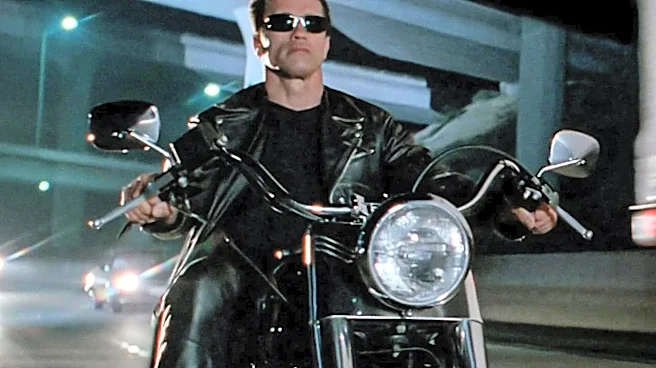
In the 80s and 90s, you went to see a Will Smith or Arnold Schwarzenegger movie. The star was the brand. Now, the intellectual property (IP) is the brand. The actor inside the superhero suit is often secondary to the suit itself. This shift has diminished the power of movie stars to open a film based on their charisma alone.
10. Earned Emotion vs. Shortcut Sentimentality
The climactic moments of older films felt earned. We cared because the filmmakers spent two hours making us invest in the characters and their journey. Many modern films try to shortcut this process, using a somber piano cue or a sudden character death to provoke an emotional response without putting in the foundational character work first.