


Red carpet season offers a masterclass in fashion's two most powerful tools: draping and tailoring. One creates flow, the other form. Together, they are the secret weapons behind every unforgettable gown and jaw-dropping silhouette.
1. Creating Architectural Structure
Tailoring is the art
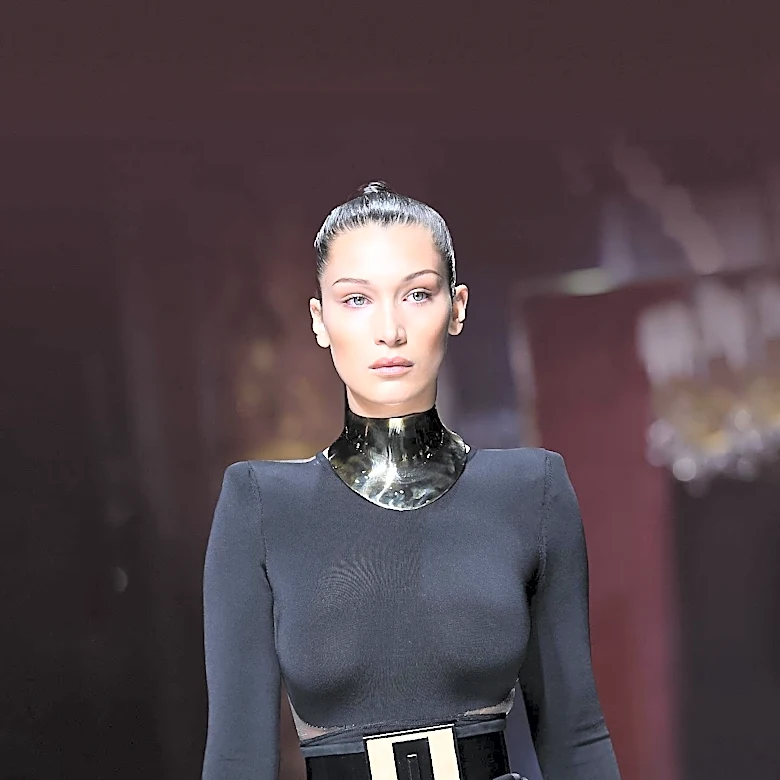
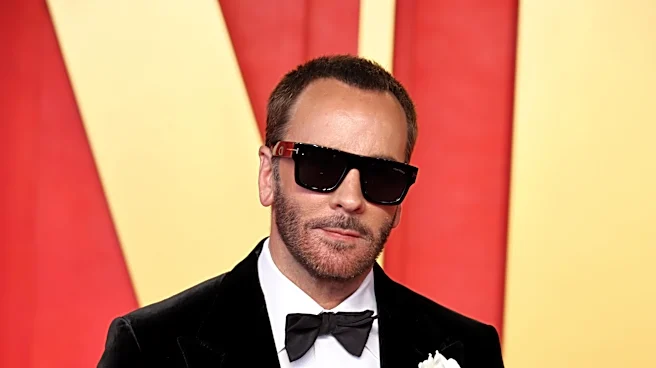
of giving a garment a deliberate, structured shape that can stand on its own. On the red carpet, this translates to architectural gowns with sharp shoulders, sculpted bodices, and geometric forms that seem to defy gravity. Think of a gown with a bodice that looks molded or a skirt that holds a dramatic, origami-like shape. Designers use precise cuts, internal support like boning or corsetry, and heavy fabrics to build these silhouettes. This technique doesn't just follow the body; it creates a new form, turning the wearer into a walking piece of art. It’s about control and precision, creating a powerful, commanding presence that photographs beautifully under the harsh lights of a gala.
2. Achieving 'Liquid' Softness and Flow
Where tailoring builds, draping flows. This technique involves manipulating fabric directly on a form, allowing it to fall, gather, and fold naturally. The result is the 'liquid metal' or 'goddess gown' effect, where fabric like silk, satin, or chiffon appears to have been poured onto the body. Draping is responsible for the soft cowl necklines, romantic cascading layers, and elegant Grecian-inspired gowns that are red carpet staples. Instead of imposing a shape, draping works with the fabric's natural movement and the body's curves. It creates a sense of effortless grace and fluidity, offering a softer, more romantic form of glamour.
3. The Artful Mix of Hard and Soft
Some of the most dynamic looks combine both disciplines. A popular silhouette features a sharply tailored, corseted bodice paired with a softly draped skirt. This contrast is visually compelling: the structured top provides a defined, statuesque foundation, while the flowing bottom adds movement, romance, and drama. The tailoring cinches the waist and sculpts the torso, creating a powerful focal point. From there, the draped skirt can fall in soft pleats or a dramatic train, responding to the wearer's every step. This hybrid approach offers the best of both worlds, delivering a look that feels both strong and graceful, structured and fluid.
4. Using Asymmetry for Modern Edge
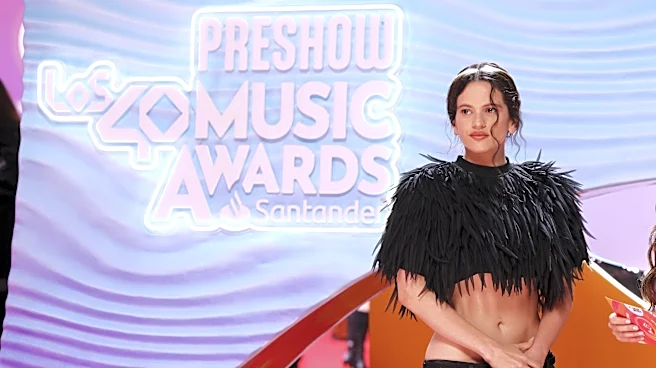
Both tailoring and draping can be used to create asymmetrical designs that feel modern and visually interesting. An asymmetrically draped gown might feature fabric swept across the body diagonally, gathering at one shoulder or hip to create dynamic lines and movement. This technique breaks up the traditional symmetry of the body and guides the viewer's eye, often making a minimalist gown feel sculptural and unique. Similarly, asymmetrical tailoring can involve an off-center neckline or a deconstructed jacket element incorporated into a dress. This intentional imbalance adds a dose of unpredictability and edge, perfect for a fashion-forward statement.
5. Sculpting the Body with Seams and Folds
Beyond just building or flowing, these techniques are used to sculpt the body itself. Tailoring uses strategically placed seams, darts, and panels to create an idealized hourglass figure, defining the waist and contouring the hips. It’s a game of optical illusion, where every line is designed to flatter. Draping achieves a similar goal in a different way. Gentle ruching or gathering across the midsection can soften and define the waist, while diagonal folds can create the illusion of length. Whether through a precise cut or a soft fold, the goal is the same: to enhance and celebrate the human form.