







The Year-Round Political Machine
Forget the idea that Emmy season begins with the nominations. For top-tier shows, the campaign is a year-long, multi-million dollar operation that mirrors a political race. It starts the moment a promising series airs, with publicists and strategists
identifying standout episodes and performances. The goal is to build a narrative of prestige and inevitability long before Television Academy members even receive their first ballot. With over 25,000 voting members, studios can't leave anything to chance. They hire awards consultants—seasoned experts in the art of the Emmy campaign—to map out a strategy that will cut through the noise of Peak TV. This involves meticulously planned phases, from generating initial buzz among critics to a full-court press targeting specific voting blocs, or "peer groups," within the Academy.
The 'For Your Consideration' Onslaught
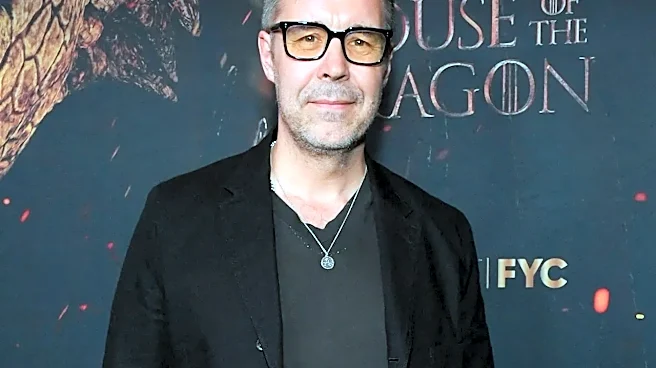
The most visible part of the hidden campaign is the "For Your Consideration" (FYC) blitz. This is the official branding for all campaign-related advertising and events. In the past, this was synonymous with elaborate DVD mailers sent to voters, sometimes costing over $400,000 for a single show's mailer. While the Television Academy has pushed for more environmentally friendly and cost-effective digital screeners, the spirit of the FYC mailer lives on through password-protected streaming portals and relentless digital advertising. These ads blanket industry trade publications like Variety and The Hollywood Reporter, but they also follow voters across the internet, appearing as targeted banners and social media promotions reminding them to consider a particular show or performance. The message is simple: this is important, and it deserves your vote.
Winning Hearts and Minds at Exclusive Events
Perhaps the most powerful tactic is direct access. Throughout the spring and summer in Los Angeles and New York, studios host a dizzying schedule of exclusive FYC events. These aren't just simple screenings. They are lavishly produced affairs featuring Q&A panels with the show's stars, directors, and writers, often followed by a reception with an open bar and gourmet food. The strategy is to create a personal connection between the creators and the voters. Getting face time with talent can make a show feel more significant and memorable in a crowded field. Some studios take it even further, creating immersive pop-up experiences and multi-day "FYC Fests" that bring the world of the show to life for voters, complete with themed activities and branded merchandise.
The Power of the Panel and the Party
Beyond a show's own events, getting cast members and creators onto industry panels and into the right parties is crucial. Publicists work tirelessly to secure spots for their clients at events hosted by the Television Academy or guild-specific showcases. Being seen and heard in these forums reinforces a contender's status. It's also about building social capital. For actors, especially, being present and pounding the pavement in Los Angeles can make a real difference to voters who are also part of the local industry fabric. This social campaigning creates a 'buzz'—a sense that a certain show or performer has momentum. Sometimes, the conversation at a pre-Emmy party can be just as influential as a full-page ad, turning a dark horse into a viable contender through sheer word-of-mouth.
The Price of Gold
This all comes at a staggering cost. While a basic campaign might run a few hundred thousand dollars, top-tier efforts for major contenders can easily exceed $1 million per show. This investment covers everything from advertising and event production to the fees for awards consultants and publicists. Is it worth it? From a purely bottom-line perspective, many executives argue that an Emmy win doesn't directly translate to a ratings or subscription boom. But in Hollywood, perception is everything. An Emmy win confers a level of prestige that helps attract top-tier talent for future projects, justifies higher subscription fees for streaming services, and solidifies a network's brand as a home for 'quality' television. It's an expensive, exhausting arms race, but one that no major player in Hollywood can afford to sit out.