







The Science of a Subtle Glow
First, let's talk about what lactic acid is. It’s a type of alpha-hydroxy acid (AHA), a class of chemical exfoliants famous for revealing brighter, smoother skin. But unlike some of its more intense siblings, such as glycolic acid, lactic acid has a larger
molecular size, which means it works primarily on the skin's surface. This makes it a gentler option, especially for those with sensitive skin or anyone new to chemical exfoliation. Its main job is to dissolve the 'glue' holding dead skin cells together, allowing them to be sloughed away. The result is an increase in cell turnover, which helps diminish dullness and rough texture. But lactic acid has a second trick up its sleeve: it's a humectant, meaning it helps the skin attract and retain moisture, much like the well-known hyaluronic acid. This dual-action ability to exfoliate and hydrate is what makes it a standout choice for body care, leaving skin not just smoother, but also more radiant and plump.
Connecting to the Tenniscore Aesthetic
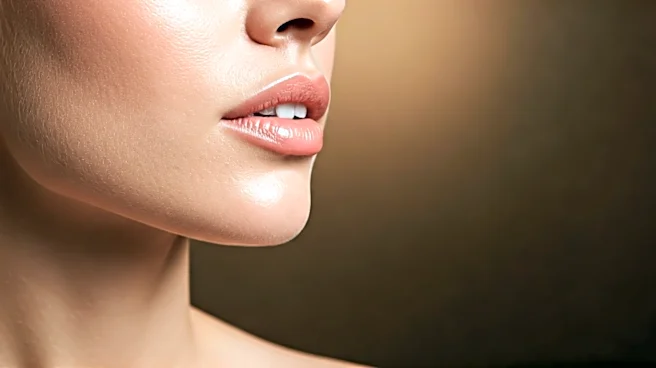
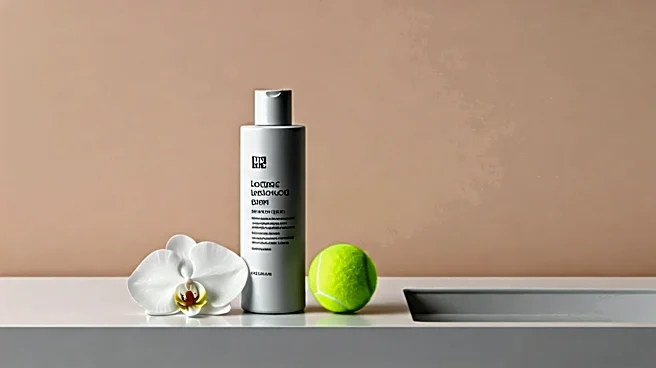
The rise of the "tenniscore" trend is about more than just clothes; it’s about embodying a certain lifestyle—one that feels polished, healthy, and effortlessly refined. Think less about the sweat of a five-set match and more about the quiet luxury of a post-game brunch at the country club. This aesthetic prioritizes a clean, put-together appearance, from a sleek ponytail to a natural, dewy complexion. Glowing, smooth skin on the arms and legs is a crucial, if subtle, component of this look. It’s the finishing touch that makes a simple tennis dress or pleated skirt look impeccably chic. Lactic-acid lotion fits perfectly into this narrative. It delivers that coveted healthy-looking radiance and smooth texture without the need for shimmer or glitter, which can feel out of place with the trend's understated elegance. The goal is skin that looks naturally flawless and well-cared-for, a perfect match for the clean lines and preppy heritage of tennis style.
Real-World Results for Summer Skin
Beyond the trend, lactic-acid body lotions offer practical solutions for common summer skin concerns. Many people deal with keratosis pilaris—often called "strawberry legs" or "chicken skin"—which are those small, rough bumps that frequently appear on the upper arms and thighs. Lactic acid is particularly effective at smoothing these bumps by gently exfoliating the buildup of keratin that causes them. It's also a hero for preventing the ingrown hairs that can come from shaving or waxing, making it a valuable step in any hair removal routine. Furthermore, by accelerating cell turnover, it can help fade the appearance of dark spots and hyperpigmentation left behind by sun exposure or old blemishes, leading to a more even and uniform skin tone. This makes it a functional powerhouse for getting skin ready for summer outfits.
How to Add It to Your Routine
Incorporating an AHA lotion is simple, but a few rules apply for the best results. Because these acids can increase your skin's sensitivity to the sun, it's best to apply the lotion at night. This allows the acid to work overnight without immediate sun exposure. The next morning, applying a broad-spectrum sunscreen to any exposed areas is non-negotiable to protect your newly exfoliated skin. If you’re new to AHAs, start by using the lotion two to three times a week to see how your skin responds, gradually increasing the frequency as it adapts. Avoid applying it to freshly shaved, waxed, or otherwise irritated skin, as this can cause stinging. By following these simple steps, you can safely and effectively achieve smoother, more radiant body skin.