






The Art of the Static Silhouette
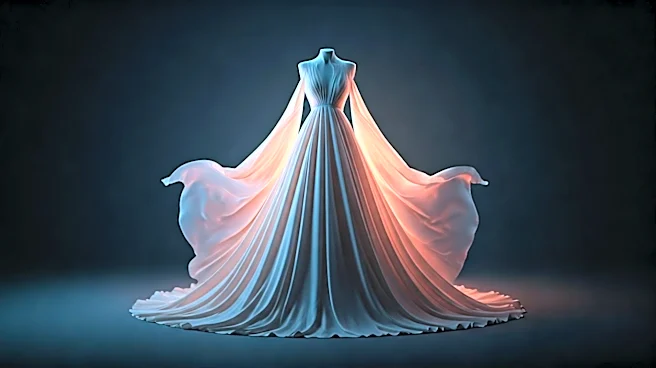
Traditional couture draping, often called moulage, is fundamentally a sculptural process. A designer works directly on a stationary dress form, manipulating fabric—typically an inexpensive muslin first—to create a garment's structure in three dimensions.
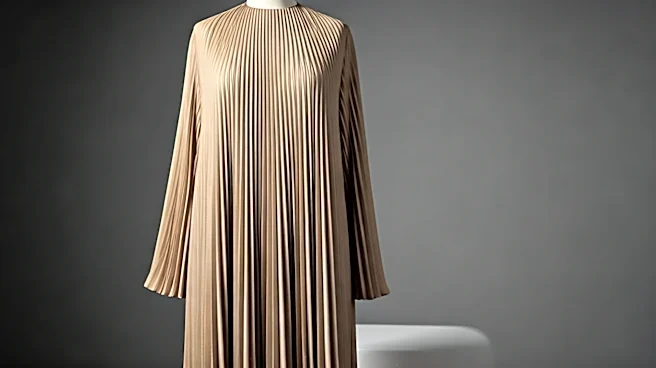
The goal is to perfect a silhouette, pinning, tucking, and folding the material until it achieves a flawless shape from a specific viewpoint. This technique is about control; it tames the fabric into a predetermined form. The resulting garment is often a marvel of construction, with intricate pleats and architectural shapes designed to look breathtaking while the wearer stands still. Think of it as creating a piece of art that is worn, where the body is the pedestal and the dress is the sculpture.
A New Demand: Designing for a Body in Motion
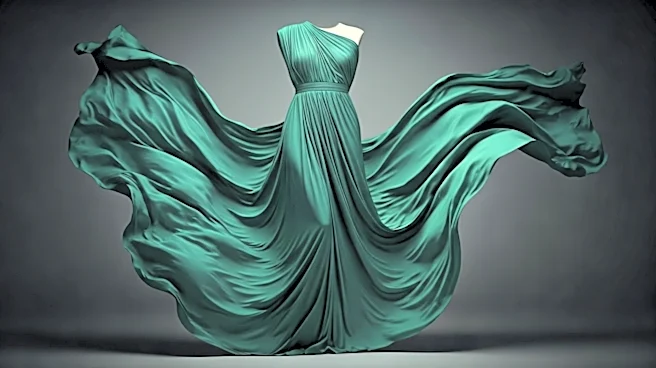
The modern red carpet, performance stage, and even a wedding dance floor demand something different. A dress is no longer just for a photograph; it must perform. This shift requires designers to think less like sculptors and more like choreographers of fabric. A garment built for movement must anticipate every step, turn, and gesture. It needs to flow with the wearer, not against them, creating a dynamic visual that is as compelling in motion as it is in a static pose. This philosophy prioritizes how a dress feels and behaves over simply how it looks when perfectly still, marking a significant evolution from the static ideal of classic couture.
How the Draping Technique Adapts
When draping for movement, the entire process changes. First, fabric choice becomes paramount. Instead of stiff materials that hold a shape, designers turn to fluid textiles like silk jersey or chiffon. The game-changer is often the bias cut, a technique popularized by Madeleine Vionnet, where the fabric is cut at a 45-degree angle to its grain. This unlocks the material's natural stretch and allows it to skim and flow over the body with liquid grace. The draping itself may happen on a live model who can move, allowing the designer to see how the fabric responds to a walking stride or a gentle sway. It becomes a conversation between the designer, the body, and the fabric, seeking to guide momentum rather than restrict it. This often means patiently letting fabric hang for 24 hours or more to allow it to settle before sewing, a crucial step to prevent distorted seams and uneven hems.
The Masters of Fluid Form
Several designers are legendary for their mastery of draping for movement. Madame Grès was a pioneer, known for her Grecian-style gowns that used vast amounts of silk jersey in tiny, hand-sewn pleats to create dresses that looked like classical statues but moved with astonishing fluidity. Madeleine Vionnet's invention of the bias cut revolutionized fashion in the 1920s and 30s, creating gowns that moved like a second skin and liberated the female form from corsetry. In more contemporary times, designers like Issey Miyake, with his "Pleats Please" line, designed garments that are fundamentally about kinetic potential, while others continue to use bias cuts and fluid draping to create gowns that come alive on the red carpet, rippling and floating with every step the wearer takes.