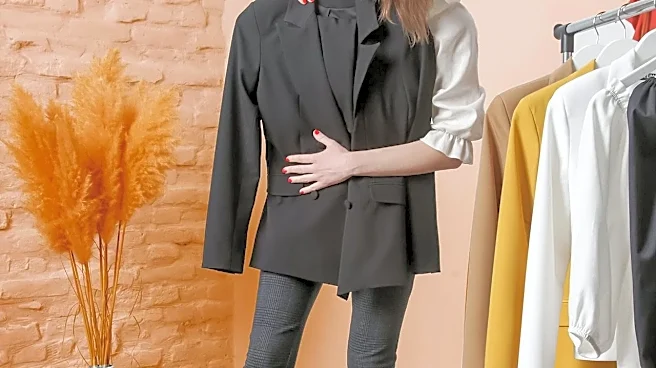




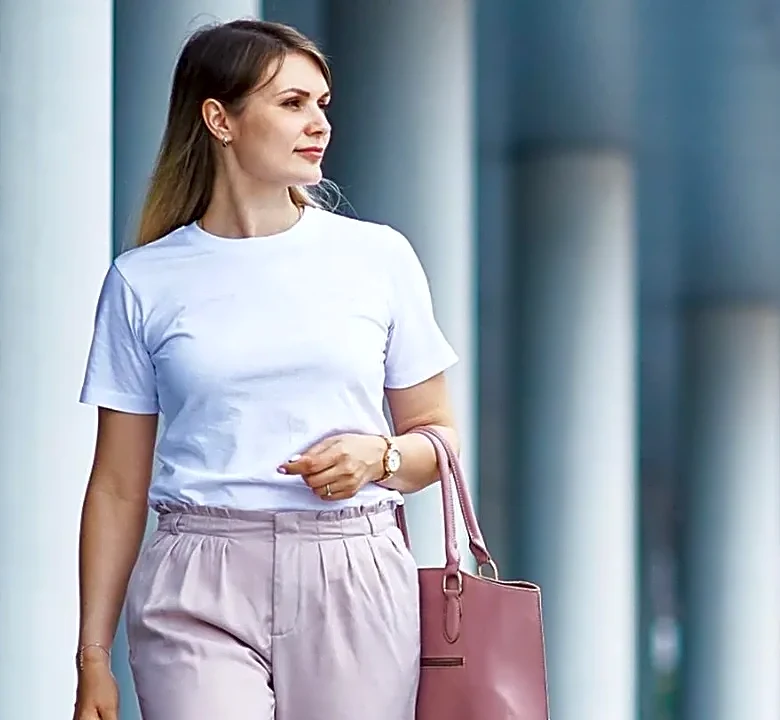

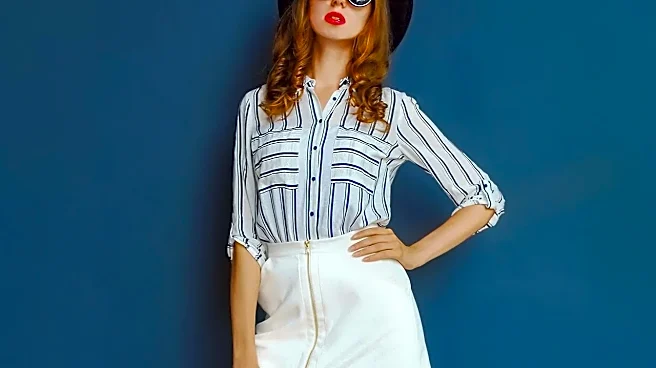
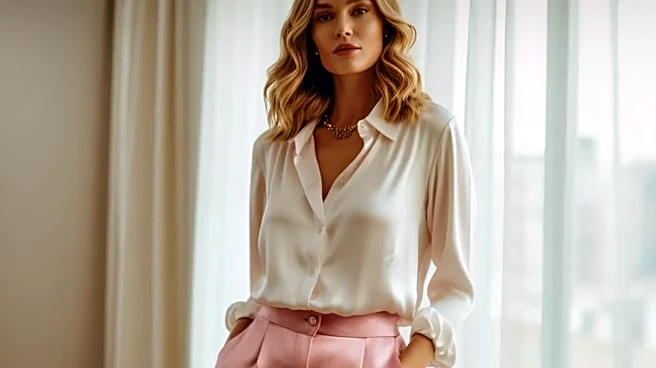
We all have that one favorite jacket. It’s comfortable, versatile, and the perfect finishing touch. But wearing it too often can feel repetitive. The secret isn't a bigger closet; it's smarter styling. Here’s how to do it.
1. Swap Your Base Layer
The simplest change makes the
biggest impact. The top you wear underneath your jacket sets the entire outfit's tone. If you usually pair your blazer with a white crew-neck tee, try switching to a black turtleneck. This instantly elevates the look from casual to sophisticated. A silk camisole creates a dressy, evening-ready feel, while a simple tank top keeps it relaxed for the weekend. The neckline and color of your base layer can completely transform the jacket's character.
2. Introduce a Mid-Layer
Layering is your best friend for creating a completely new silhouette. Adding a piece between your shirt and your jacket provides warmth, texture, and visual interest. Try wearing your jacket over a lightweight hoodie for a streetwear-inspired look or over an unbuttoned flannel for a touch of grunge. For a more polished feel, a thin knit cardigan or a structured vest can add dimension without bulk. This technique makes the jacket part of a multi-dimensional outfit, not just a final layer.
3. Change Up the Bottoms
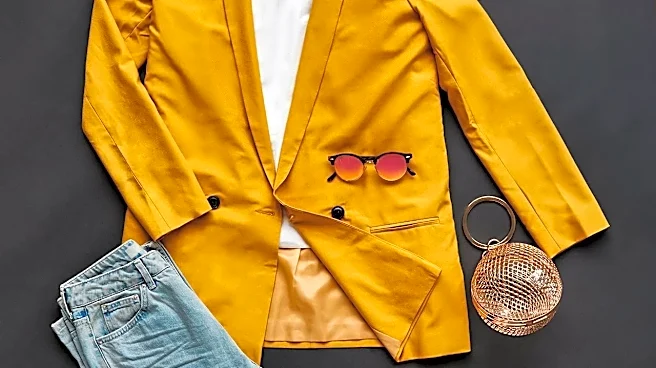
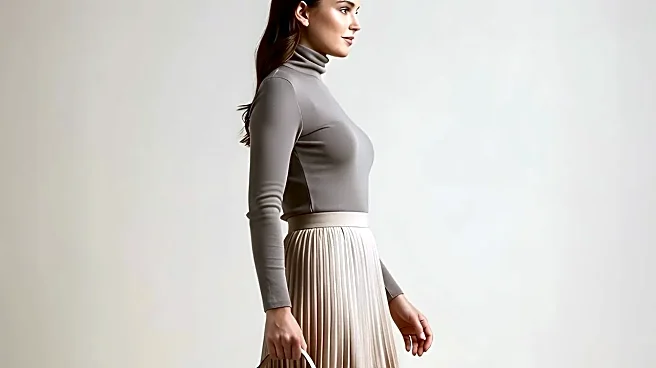
Don't underestimate the power of pants. Pairing your go-to jacket with different bottoms is a surefire way to create distinct outfits. If you wore your leather jacket with dark-wash jeans yesterday, try it with wide-leg linen trousers or a flowy midi skirt today. A structured blazer looks sharp and professional with tailored trousers but feels relaxed and modern with straight-leg jeans. Each combination repositions the jacket for a new occasion and style.
4. Play with Accessories
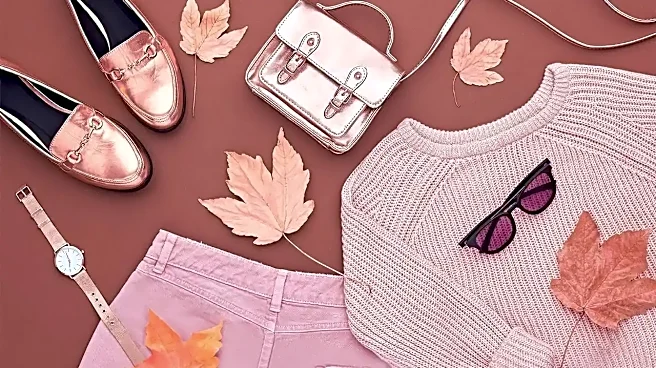
Accessories are the secret weapon of savvy stylists. They draw the eye and can redefine an entire look with minimal effort. A classic wool coat can feel entirely different by adding a statement belt to cinch the waist. Another day, you might drape a large, colorful blanket scarf over the shoulders to introduce new patterns and textures. Even switching from a leather crossbody bag to a canvas tote can shift the outfit from polished to casual.
5. Roll or Push Up the Sleeves
It sounds minor, but how you wear your sleeves makes a difference. Pushing up the sleeves of a blazer to reveal a colorful or patterned shirt cuff underneath adds a pop of personality and a relaxed, effortless vibe. Rolling the sleeves of a denim or utility jacket creates a more casual, laidback feel that is perfect for warmer days or weekend outings. This small adjustment breaks up the solid block of the jacket and adds a touch of intentional styling.
6. Use It as a Statement Piece
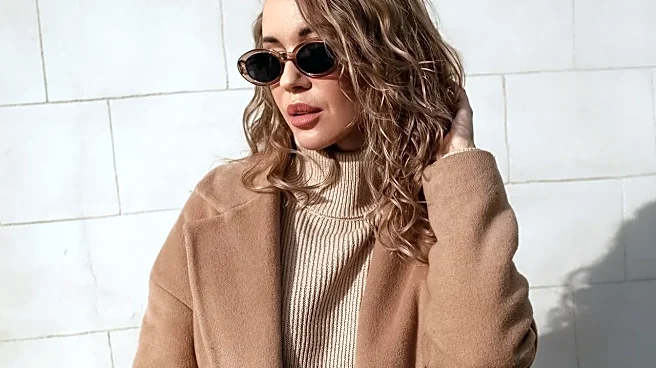
Instead of treating your jacket as a background player, let it be the star. Build a monochromatic outfit in a neutral color like all black, all white, or all beige, and let your jacket be the single point of contrast. A vibrant red blazer over a simple black dress, or a classic camel coat over a cream colored knit and trousers, makes the outerwear the undeniable focus of the look. This strategy is especially effective for colorful or uniquely textured jackets.
7. Switch Your Footwear
Shoes ground an outfit and dictate its formality. The same jacket worn with sneakers reads completely differently than when paired with heeled boots. A tailored blazer can be dressed down for a business casual look with loafers or sneakers. That same blazer becomes ready for a night out when you swap in a pair of sharp heels. By changing only your shoes, you can take your jacket from a day of errands to a dinner date without changing anything else.
8. Drape It, Don't Wear It
For a look that is pure fashion editor chic, simply drape your jacket over your shoulders instead of putting your arms through the sleeves. This styling trick, often called 'shoulder robing', instantly makes any outfit look more elegant and put together. It works beautifully with structured outerwear like blazers and wool coats, creating a cape like effect. It is practical choice for transitional weather when you need a layer but might get too warm wearing it fully.