






The Opening Montage as Promise
Before you hear a single analyst speak, you get the montage. It’s the sports equivalent of a movie trailer, a breathtaking two-minute symphony of soaring orchestral music and dramatic slow-motion. You see the icons—the Messis, the Mbappés—their faces
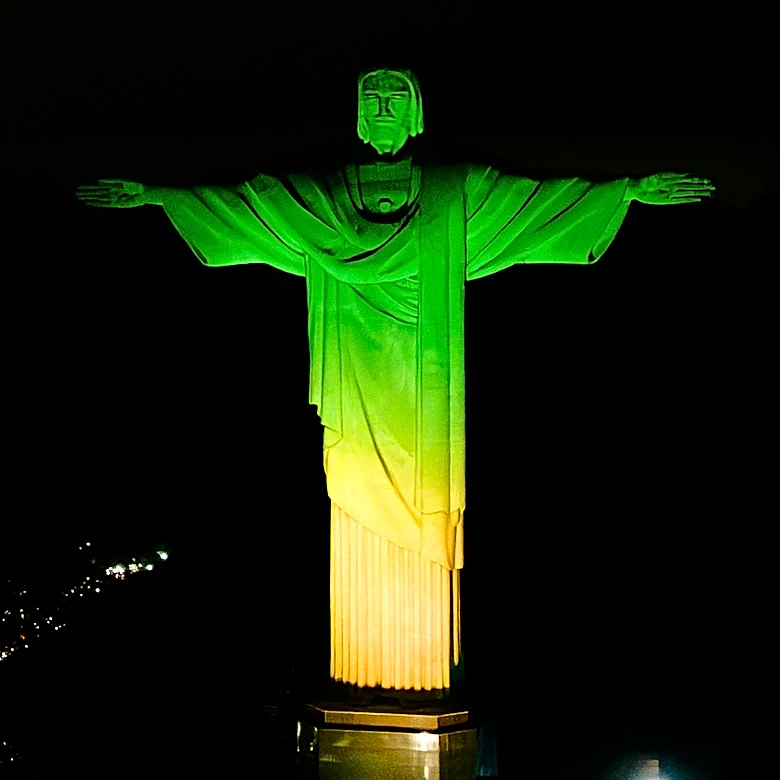
a mixture of intensity and hope. You see ecstatic fans painted in national colors, a blur of tears and cheers. You see sweeping drone shots of gleaming new stadiums and historic city squares in the host nation. This isn't just a highlight reel; it's a narrative contract. The broadcast is making a promise: this tournament will be epic. It will deliver glory, heartbreak, and moments of sublime skill. It primes your emotional pump, ensuring you’re not just watching a game, but the opening chapter of a global saga.
Casting the Heroes and Villains
Once the montage fades, the camera cuts to the studio. Here, a panel of well-dressed former players and seasoned journalists begins the real work of storytelling. They aren’t just breaking down formations; they are casting the tournament’s central characters. They’ll establish the key storylines that will define the next four weeks. There’s the “Aging Legend’s Last Dance,” a narrative practically perfected for stars like Lionel Messi or Cristiano Ronaldo. There’s the “Host Nation Under Pressure,” where every match is framed as a test of national character. They'll anoint the “Dark Horse,” the plucky underdog with a charismatic star who could shock the world. For American audiences, this is especially crucial. The broadcast tells us who to root for (or against) beyond our own team, giving us emotional entry points into matches that might otherwise feel distant or low-stakes.
The Earworm and the Eyewash
Every great television event has a distinct sensory identity, and a soccer tournament is no exception. The theme music is the first and most obvious element. By the third day, that triumphant, vaguely tribal tune is permanently lodged in your brain, instantly signaling “major soccer is on.” It’s the same principle that makes the Olympic fanfare or the old Monday Night Football theme so effective. But it’s also the “eyewash”—the custom graphics, the on-screen logos, the specific fonts and color palettes. Networks spend millions developing a unique visual package that brands their coverage. This cohesive aesthetic creates a self-contained world. When you see that specific score bug or transition wipe, you’re not just watching Fox or ESPN; you’re watching *their* World Cup, a polished, premium product designed for maximum immersion.
The Spectacle of the Opening Ceremony
Often derided as cheesy or a bit bizarre, the opening ceremony serves a vital function. While the Super Bowl halftime show is about pure star power, a tournament’s opening ceremony is about scale and globalism. It’s a 30-minute pageant featuring dancers in elaborate costumes, a performance by a global pop star, and speeches about unity and the beautiful game. Its purpose is to officially elevate the event from a mere sporting contest to a worldwide cultural festival. It’s a moment for the host nation to present its best face to the world and for the broadcasters to reinforce the idea that you are witnessing something truly significant, an event that transcends borders and brings the planet together—all before a ball is even kicked.