



Understanding Its True Purpose
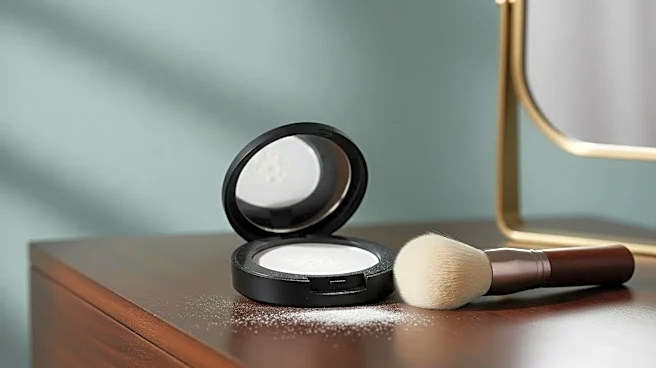
Before you can use it right, it helps to know what translucent powder is actually for. Unlike a colored or tinted powder, translucent powder is colorless and not meant to provide coverage. Its main jobs are to set liquid and cream makeup (like foundation
and concealer) to prevent it from creasing and moving, and to absorb excess oil for a shine-free finish. When applied correctly, a good, finely milled powder should be virtually invisible, blurring imperfections like pores and fine lines to create a smooth, soft-focus effect without adding any discernible texture or weight.
The Right Tools and the Right Amount
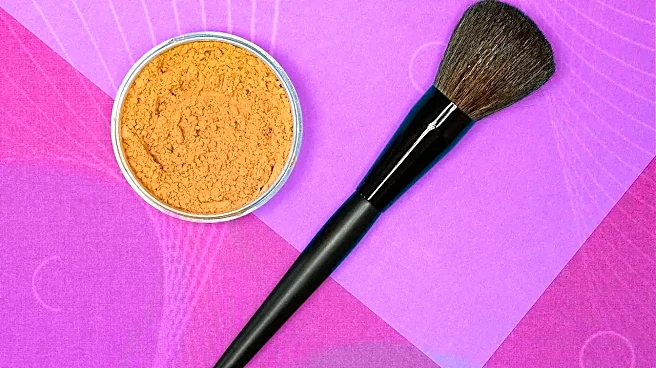
The difference between a flawless finish and a powdery mess often comes down to your tools and how much product you use. For a light, all-over setting, a large, fluffy powder brush is your best friend. For more targeted application, like under the eyes or along the T-zone, a smaller, softer brush or a velour powder puff offers more precision. The golden rule is always: less is more. No matter your tool, always tap off the excess powder before it touches your face. It’s far easier to add a little more than it is to take away too much. Applying too much product is the number one cause of that dry, cakey look.
Perfecting Your Application Technique
How you apply the powder is just as important as how much you use. Instead of sweeping or dragging the brush across your skin, which can move the foundation underneath, try a gentle pressing or rolling motion. This technique presses the powder into the makeup to lock it in place without disturbing your base. Focus the application only where you need it most, which for many people is the T-zone (forehead, nose, and chin), under the eyes, and around the mouth where makeup tends to crease. Applying powder to your entire face can make your complexion look flat and unnatural.
Avoiding the Dreaded Photo Flashback
The most feared translucent powder fail is "flashback," that ghostly white cast that appears in flash photography. This is often caused by light-reflecting ingredients like silica, zinc oxide, and titanium dioxide, which can be found in some powders, especially those labeled "HD." To avoid it, choose a finely milled powder that is not 100% silica and use a very light hand during application. A great trick is to take a selfie with the flash on before you head out the door. If you see any white patches, use a clean, fluffy brush to gently dust away the excess powder. A final spritz of setting spray can also help melt the powder into the skin for a more seamless finish.
A Note on 'Baking'
You've likely heard of "baking," a technique where a thick layer of loose powder is applied over concealer and left to sit for 5 to 10 minutes before being dusted off. The heat from your skin helps "bake" the products, resulting in a very bright, matte, and creaseless finish that is extremely long-wearing. While effective for stage makeup or a full-glam look, baking can be too heavy for everyday wear and can look dry, especially on mature or dry skin types. For a daily routine, a light press of powder is usually all you need to set your makeup beautifully.