




From Armor to Second Skin
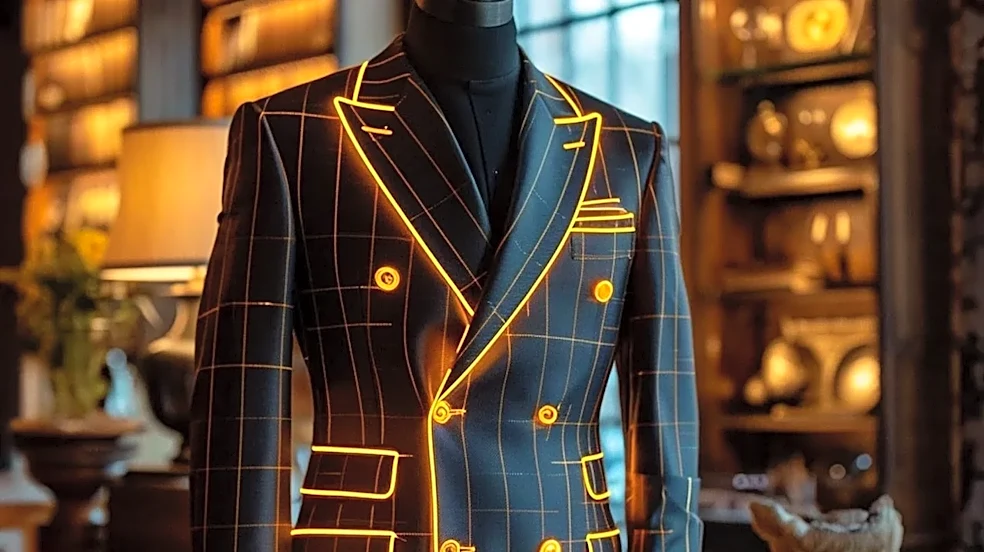
First, let's define our terms. A 'sharp' suit, often rooted in British tailoring, is built like architecture. It uses internal canvassing, padding, and stiff construction to create a strong, defined silhouette. Think of it as sartorial armor, designed
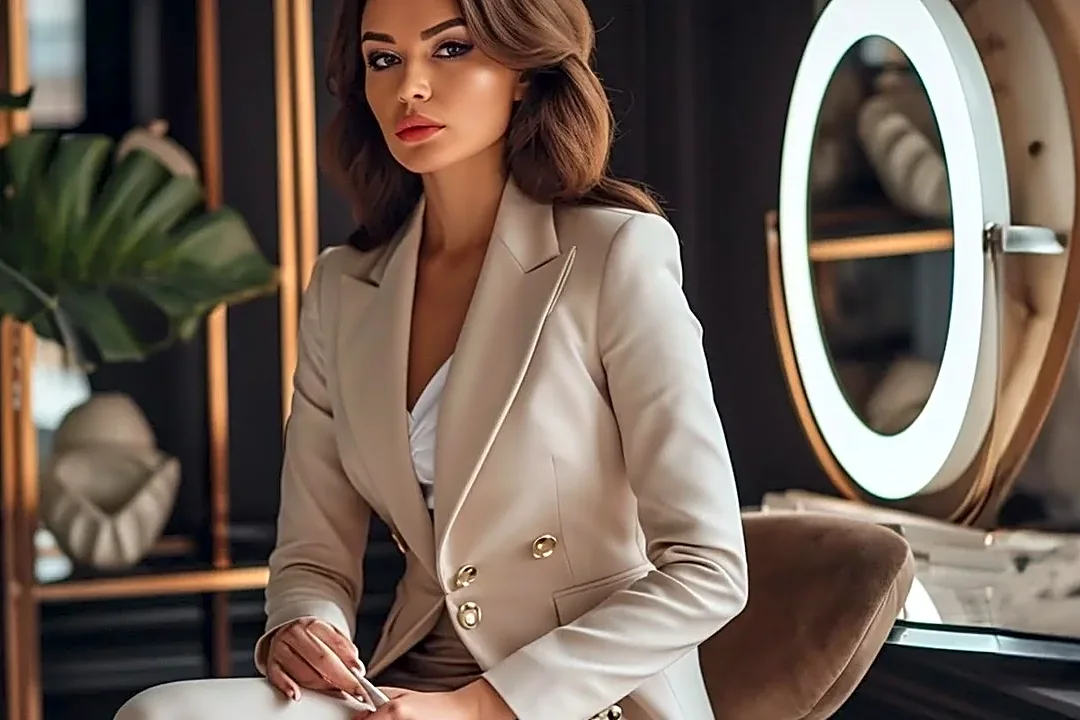
to project authority and discipline. A 'soft' suit, pioneered by Italian designers like Giorgio Armani and perfected in Neapolitan tailoring, takes the opposite approach. It strips away the padding and heavy structure, resulting in a jacket with a 'natural' or unpadded shoulder that follows the wearer's body. The construction is lighter, the fabric drapes more freely, and the entire garment is designed to move with you, not encase you. The result is less a uniform and more a second skin.
The Confidence of 'Sprezzatura'
This is where intention comes in. Pulling off a perfectly sharp, structured suit is about adhering to a set of established rules. It looks great, but it can also look like a costume if the wearer isn't comfortable. A soft suit, however, requires a deeper understanding of style. Its elegance comes from 'sprezzatura', an Italian concept best described as 'studied carelessness'. It’s the art of looking effortlessly chic. Because an unstructured jacket doesn't have built-in scaffolding to make it look good, the fit, the fabric, and the way you wear it become paramount. It shows you’re not trying to hide behind your clothes or project a manufactured sense of power. Instead, you're so confident in your own skin and your knowledge of tailoring that you can opt for comfort and fluidity.
Comfort Is the New Power
The traditional power suit was designed for the boardroom—a static environment where posture conveyed authority. The modern world is far more dynamic. We move from meetings to airports to casual dinners, often in the same day. A soft suit is built for this reality. Its lightweight nature and lack of restriction make it infinitely more comfortable for long hours of wear. This physical ease translates into your demeanor. When you aren't fidgeting with a stiff collar or feeling constrained by rigid shoulders, you appear more relaxed, open, and approachable. In a world where collaboration and authenticity are valued over rigid hierarchy, this relaxed confidence is its own form of power. It’s the difference between looking like you’re wearing a uniform and looking like you belong.
How to Wear It Right
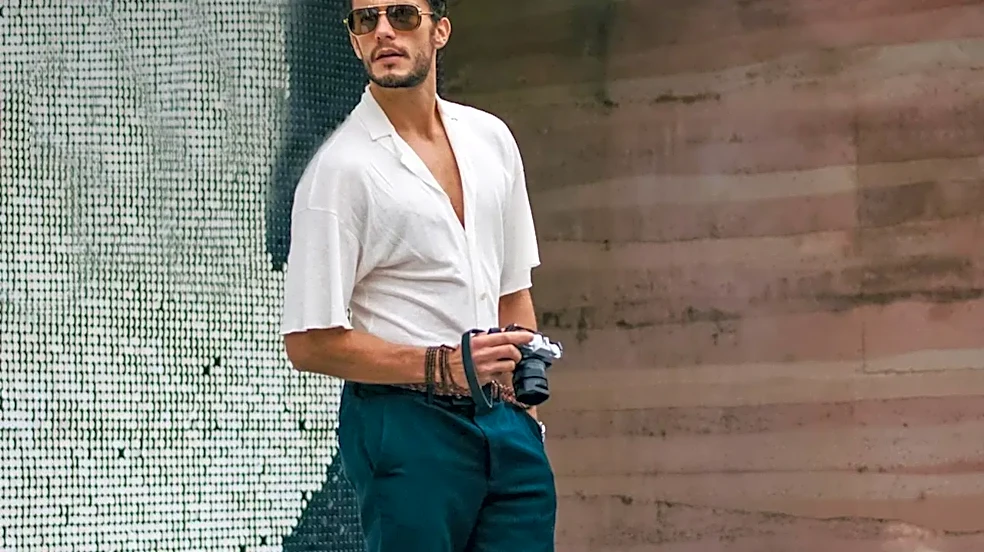
The key to making a soft suit look intentional is in the styling. Because it’s inherently more relaxed, it pairs beautifully with garments other than a traditional dress shirt and tie. Try an unstructured blazer in linen or a soft wool with a fine-gauge knit polo, a high-quality crewneck sweater, or even a simple, well-fitting t-shirt. The unstructured blazer is a versatile workhorse; it can be dressed up with tailored trousers or dressed down with dark denim for a smart, modern look. The trick is to ensure the other elements of your outfit have enough presence. A flimsy t-shirt might make the blazer look sloppy, but a knit with some texture provides the necessary balance. It thrives in environments from creative offices and weekend events to a summer wedding, offering a sophisticated alternative to the formal suit.