

The Anatomy of a Surprise
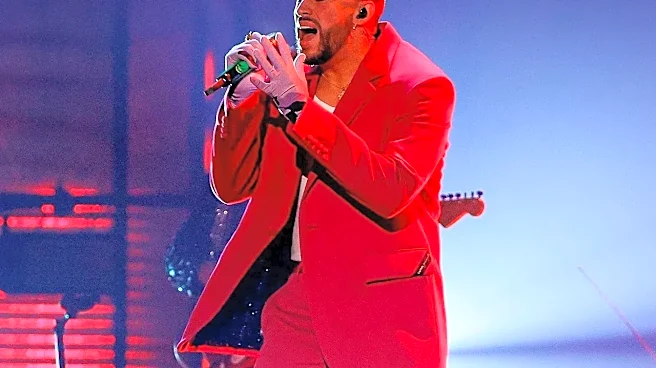
First, let's define our terms. A “surprise song” is a track that an artist performs that isn't on the official, pre-planned setlist for a tour or festival appearance. It’s often a deep cut, a rarity, or a cover, typically performed in a stripped-down
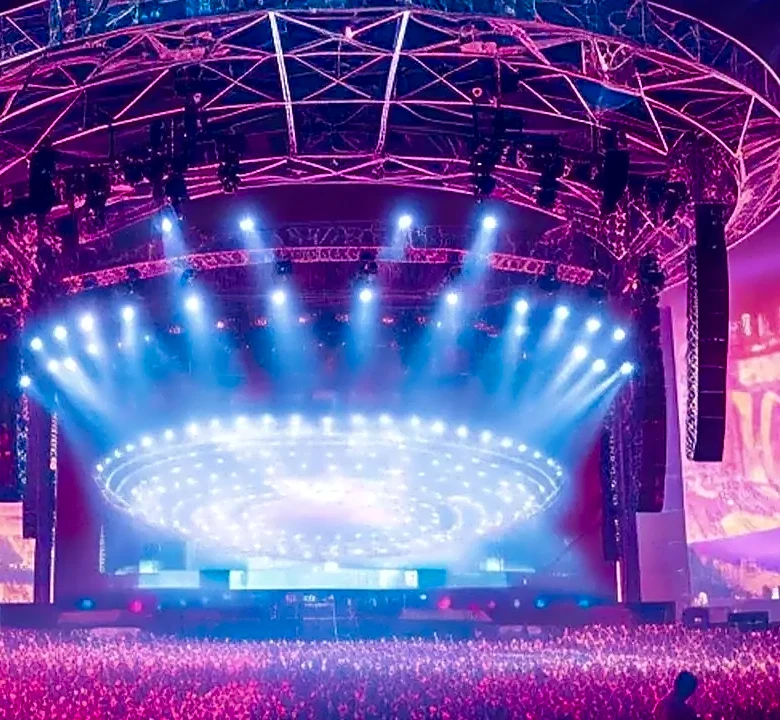
acoustic segment. Think of Taylor Swift’s Eras Tour, where a dedicated portion of her three-hour show is set aside for two unique songs each night, one on guitar and one on piano. This practice isn't exclusive to her; bands like Fall Out Boy and 5 Seconds of Summer have also integrated unpredictable moments into their shows, sometimes even using a giant inflatable die to leave the choice to chance. The core appeal is its uniqueness; it transforms a standardized stadium show into a singular event, making the audience in attendance feel like they won a lottery.
From Personal Moment to Global Event
In the past, a surprise song was an intimate, 'you had to be there' moment shared only by those in the venue. Today, thanks to social media, that personal experience is instantly global. Nearly all fans who attend live shows post about it on social media, with many saying it's a core part of the experience. As soon as the first few notes of an unexpected track are played, phones go up, and livestreams begin. The moment isn't just happening in the stadium; it's being broadcast in real-time to fans around the world who couldn't attend. This dynamic turns every concert into a potential breaking news event, ensuring the artist and their tour remain at the forefront of public conversation long after the show ends.
The Group Chat as the Digital Stadium
This is where the group chat truly comes alive. For dedicated fanbases, these chats are the digital equivalent of being in the stadium. They are real-time command centers for collective emotion. When a beloved deep cut is played, the chat ignites with a mix of pure joy from those witnessing it vicariously and profound FOMO (fear of missing out) from everyone else. Fans share screen recordings from shaky livestreams, analyze the artist’s choice, and collectively celebrate or mourn. These platforms create and sustain a sense of community, allowing fans to find and connect with like-minded people. The conversation becomes a shared experience, a digital space where thousands can react together, dissecting why an artist chose a specific song for a specific city.
The Psychology of the Hunt
So why does this matter so much? It’s about more than just music; it’s about the gamification of fandom. Artists with extensive back catalogs, like Taylor Swift or BTS, have hundreds of songs, making each surprise choice significant. Fans create elaborate spreadsheets to track which songs have been played and which remain, turning the tour into a high-stakes guessing game. This uncertainty adds a thrilling layer to the concert experience. The desire for this unique, unrepeatable moment can even motivate fans to buy tickets for multiple shows, hoping to finally hear their favorite non-setlist song. It fosters a deeper connection, making fans feel seen when an artist plays a lesser-known track they cherish. Ultimately, the surprise song feeds a powerful emotional loop: the anticipation of the unknown, the explosive reaction to the reveal, and the communal bond forged in the digital echo chamber of the group chat afterward.