

The Playa as a Design Laboratory
Forget Paris, Milan, or New York. For one week at the end of August, the most influential runway in the world is a dusty, cracked lakebed in Nevada. At Burning Man, fashion isn't about consuming trends; it's about creating them from scratch. The event’s
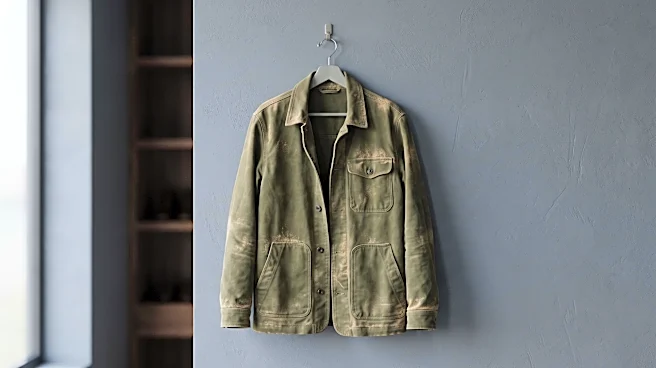
guiding principles—like radical self-expression and decommodification—have turned its attendees into creators. The looks here are not off-the-rack. They are painstakingly handmade, thrifted, upcycled, and engineered over months. Think less about clothing and more about identity armor: steampunk-inspired mechanical wings, fiber-optic-laced dust coats, and intricate, 3D-printed accessories that blend futurism with tribal aesthetics. This isn't just dressing up; it’s a form of participation, where each outfit is a piece of mobile art contributing to the city's chaotic, beautiful spectacle.
From Participant to Producer
The distinction between audience and creator dissolves on the playa. Attendees are not passive consumers of a brand's vision; they are active designers building a specific solution for a unique problem: how to be expressive, comfortable, and protected in a harsh desert environment that swings from over 100 degrees during the day to chilly nights. This has fostered a unique style centered on practical survival gear like goggles, dust masks, and sturdy boots, but elevated with wild creativity. What started as a '90s trend of animal prints and evolved through a neon phase in the 2000s has now become a sophisticated ecosystem of costume design. Outfits must be durable, modular, and often, illuminated for nighttime navigation. Participants are designing for themselves, by themselves, creating a hyper-personalized form of couture born from necessity and imagination.
The Fashion World Takes Notice
For years, the mainstream fashion industry viewed Burning Man as a quirky, dusty fringe festival. That has fundamentally changed. The event has become an unofficial trend-forecasting report for major labels. Stylists, designers, and trend forecasters now look to the playa's unique aesthetics for inspiration. While you may not see a Gucci logo on a dust-covered art car, the influence is undeniable. The DIY, post-apocalyptic, and nomadic styles seen at Burning Man have a habit of appearing in runway collections months later, albeit in a more polished, commercial form. Designer Manish Arora, a longtime Burner, has explicitly brought playa-inspired looks to Paris Fashion Week, complete with bedazzled goggles and flame-printed capes. This isn't a coincidence; it's a recognition that the raw creativity of the event is a valuable resource.
The Paradox of Inspiration
This role reversal creates a fascinating, if sometimes tense, paradox. Burning Man is founded on a principle of decommodification, a rejection of the very commercialism that the fashion industry represents. Yet, its aesthetics are increasingly being absorbed and commodified by that same industry. As social media has pulled the event from the isolated desert into a global feed, the line between appreciation and appropriation becomes blurry. For the creators on the playa, the goal is self-expression, not scaling a brand. For the fashion houses watching from the sidelines, that authenticity is exactly what makes the event so commercially potent. It's a creative wellspring that can’t be manufactured in a corporate boardroom, representing a powerful desire for unfiltered, individualistic style. The ultimate irony is that in a place where you supposedly can't buy anything, the most valuable new ideas in fashion are being given away for free.