






The Restaurant as a Fragile Kingdom
In Shakespearean tragedy, the state is often a character in itself—a kingdom on the brink, its health a reflection of its ruler’s mind. For Carmen “Carmy” Berzatto, the restaurant is his Denmark, and he is its troubled prince. Inherited after his brother’s
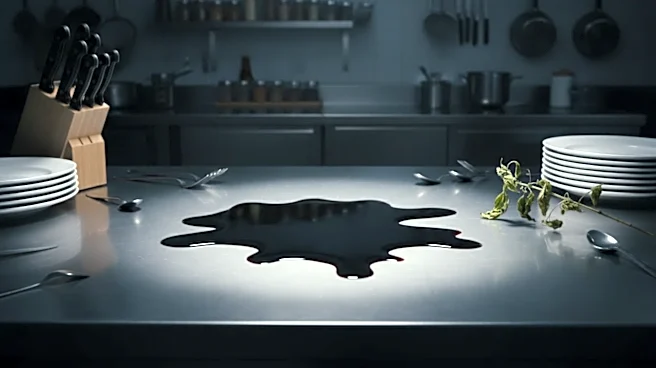
suicide, The Original Beef is more than a business; it’s a vessel for grief, ambition, and generational trauma. When a health inspector arrives unannounced, she isn't just a city employee with a clipboard; she's an invading force threatening the very foundations of this fragile state. The “C” grade they receive isn't a mere citation; it's a public mark of failure, a judgment on Carmy’s ability to bring order to the chaos his brother left behind. It symbolizes the rot that Carmy fears is at the core of his family and himself.
Carmy's Ambition as a Tragic Flaw
Every tragic hero has a fatal flaw, or 'hamartia,' and Carmy’s is his relentless perfectionism. He is a brilliant chef from the world of fine dining, haunted by a tyrannical former boss and the ghost of his brother. This drive for excellence is both his greatest asset and his deepest vulnerability. He pours his soul into transforming the gritty sandwich shop, but his inability to trust, communicate, or escape his own trauma makes him brittle. The health code violations—improper storage, Richie’s rogue cigarettes, systemic disorganization—aren't just logistical problems. They are manifestations of the human chaos Carmy cannot control. The violation feels Shakespearean because it strikes at the hero's central conflict: his quest for perfect order in a world, and a mind, defined by messiness.
The High Language of Chaos
Shakespeare used iambic pentameter and soaring soliloquies to elevate emotion. 'The Bear' uses a relentless, anxiety-inducing cinematic language to achieve a similar effect. The show’s acclaimed single-take episode, “Review,” is a masterclass in escalating tension, where the constant ringing of to-go order tickets and overlapping, panicked dialogue create an unbearable pressure cooker. Whip pans, jarring close-ups, and a frantic soundscape turn a busy lunch service into a symphony of collapse. This isn't just showing stress; it's making the audience feel the characters' dysregulated nervous systems. A health violation becomes the climax of this sensory assault, the moment where the buzzing, screaming, and simmering panic finally boil over into tangible, documented failure.
Every Player Has Their Part
In a Shakespeare play, every character, from the king to the gravedigger, serves the central theme. The same is true for the staff of The Bear. Richie’s defiant traditionalism, Sydney’s ambitious but fraught creativity, and Marcus’s gentle pursuit of perfection all contribute to the restaurant’s volatile chemistry. Their individual struggles and arguments are not subplots; they are integral to the main tragedy. An argument between Sydney and Richie is not just a workplace spat; it is a clash between the past and the future of the kingdom. A health violation isn't one person's fault but the result of this collective, unresolved tension. It’s the consequence of a 'family' where love, resentment, loyalty, and ambition are dangerously entangled, making a simple health code check feel like the inevitable unraveling of fate.