


Minimalism as Tension, Not Emptiness
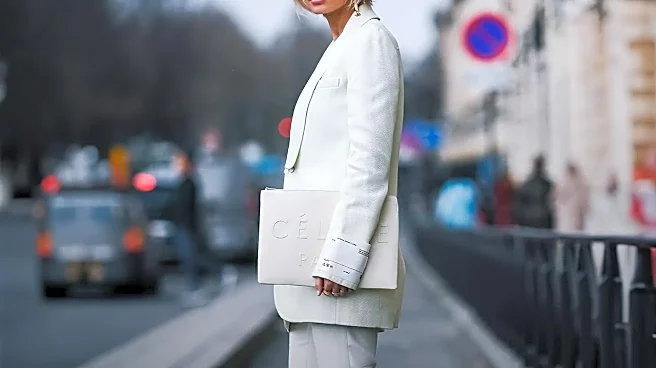
Forget the beige-on-beige fatigue of years past. The new minimalism isn't about absence; it's about focused intention. At Calvin Klein, Creative Director Veronica Leoni presented what she called a "discipline of removal," stripping the wardrobe back to its
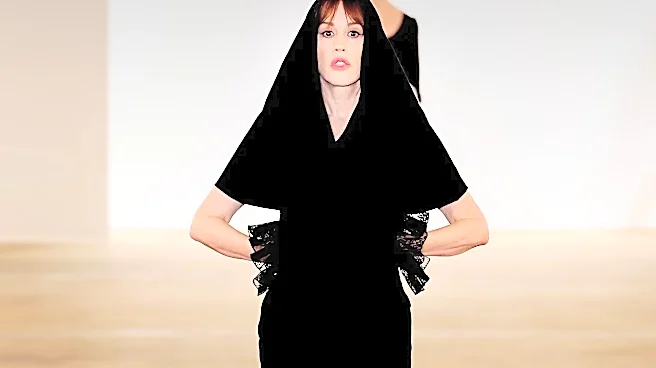
essentials to see what remains. The answer, according to the collection's philosophy, was desire. Leoni turned minimalism into an exercise in tension, pairing precise, structured tailoring with elements that deliberately threw the look off balance. Slim pencil skirts and crisp trousers were rendered in stark black and gray, forcing the eye to focus on form. But then, a shimmering satin bandeau or a surprising flash of scarlet or royal blue would disrupt the quiet, creating a collision of restraint and risk. This wasn't minimalism as a blank slate, but as a charged space where opposing forces of concealment and exposure could coexist.
Proenza Schouler’s Softer, Stranger Approach
At Proenza Schouler, new Creative Director Rachel Scott is also exploring a new vocabulary for the house, one that takes its famously cerebral construction and makes it feel “softer, stranger and considerably less uptight.” Inspired by the freedom of how New York women dress—wearing a gown in the middle of the day, for instance—the collection was built to adapt to the body, not the other way around. While the show featured bold elements like tiger motifs and fluorescent pink velvet, its core was a study in subtle disruption. Typically controlled lines were softened by rounded hips and draping that let fabric fall away from the body. Merino knits appeared deliberately twisted, and sheer fabrics were layered to create new, unexpected tones. Scott's approach is rooted in craft and texture, giving even simple pieces a sense of depth that feels personal and handmade, which she calls the "ultimate luxury".
A Return to American Signatures
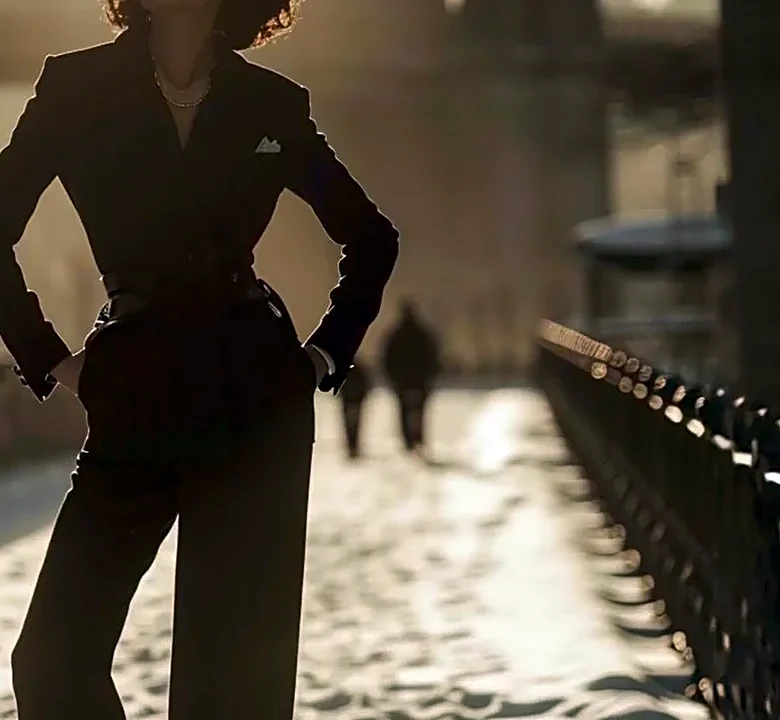
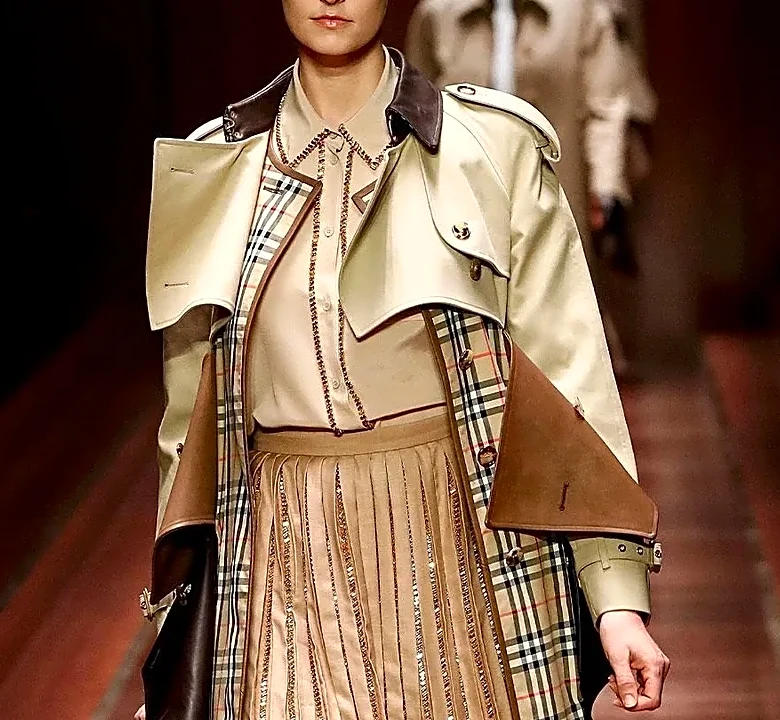
Even quintessential American sportswear brands are leaning into a more considered, pared-back aesthetic. Ralph Lauren, a master of marketing a lifestyle, presented a collection that played with the opposition of classic menswear precision and a softer, more romantic sensibility. Amidst experimental fabric treatments and decorative flourishes, the simplest pieces stood out: a wrap dress with a single seam, a crisp white leather jacket, and sharply cut pantsuits. It was a reminder of the power of a perfect, foundational garment. Elsewhere, Tommy Hilfiger returned to his 90s archives, focusing on the core components of prep: rugby polos, baggy trousers, and a clean palette of red, blue, and cream. While many collections embraced bold color and maximalism, this quieter current suggests a different mood—one less about spectacle and more about a confident, lasting style that feels grounded in real life.
Why Quiet Feels Radical Right Now
So why does this return to restraint feel so new? In part, it’s a palate cleanser after years of look-at-me logos and algorithm-fueled micro-trends. This new wave isn't about asceticism, but about confidence. It’s the confidence to wear a simple, perfectly cut dress and know it’s enough. It’s a rebellion against the constant pressure to perform online and instead invest in pieces with longevity and integrity. Designers seem to be responding to a collective desire for clothes that are not only beautiful but also intelligent and practical. In a fashion landscape often defined by spectacle, the decision to strip things back feels like a powerful statement. It suggests a focus on the wearer over the trend, prioritizing personal style over passing fads. This radical new minimalism argues that sometimes, the most revolutionary thing you can do is stand still and be yourself.