




The Illusion of Tangible Weight
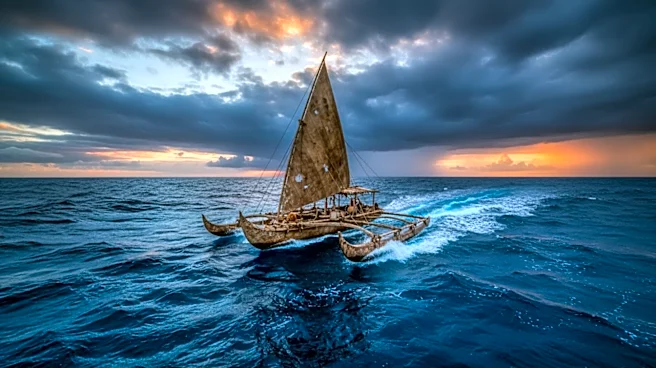
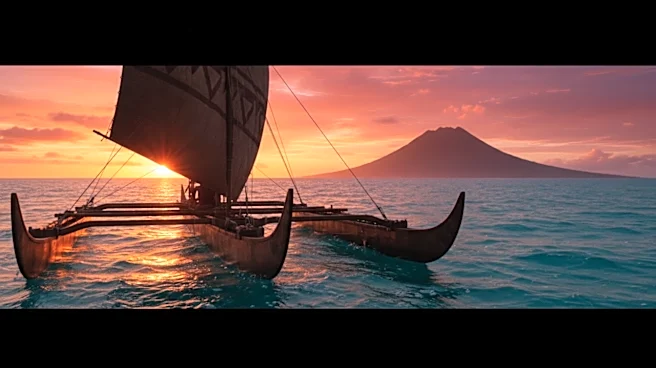
In animation, physics is often a suggestion. Moana’s camakau, a type of outrigger canoe, glides beautifully across the water, but it rarely feels like it has genuine mass. For the live-action adaptation, scheduled for a July 2026 release, this has to
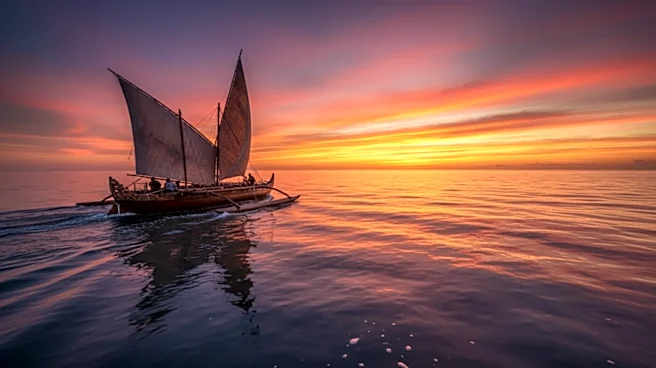
change. A real boat has heft. It fights the water. It creaks, groans, and shudders. When Moana first ventures beyond the reef and her canoe capsizes, the audience should feel the bone-jarring impact and the terrifying weight of the waterlogged vessel. The struggle to right it shouldn't be a quick, heroic beat; it should be a desperate, exhausting battle against physics. This isn't just about realism for its own sake. The weight of the boat is a direct metaphor for the weight of Moana’s task. As she learns to handle the physical vessel, she learns to handle the burden of her destiny. The Kakamora attack, for example, is a thrilling animated sequence. But imagine it with a boat that feels truly vulnerable—a small, wooden sanctuary being swarmed by pirates. The stakes become immediately, viscerally higher.
Weather as a True Antagonist
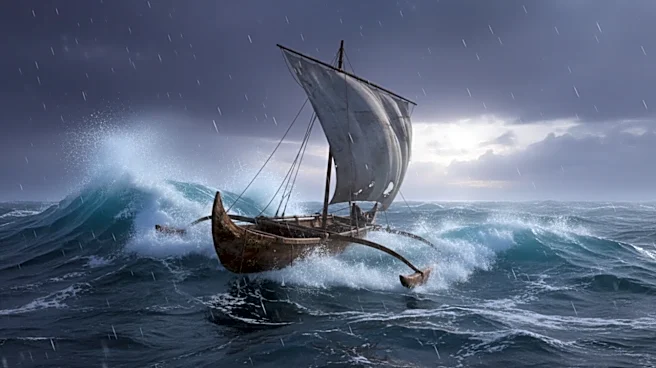
The ocean in 'Moana' is a character, but so too is the weather it creates. The animated storm that shipwrecks Moana and Maui is visually spectacular, but a live-action storm can be something more: truly terrifying. Filming on or with water is notoriously difficult, forcing productions to balance control with realism. Yet, films like 'Master and Commander' and 'White Squall' have shown that portraying the raw, untamable power of the sea is crucial for maritime adventures. The live-action 'Moana' shouldn't shy away from this. We need to see sails strain to the breaking point, rigging snap under violent gusts, and waves that feel like liquid mountains threatening to swallow the tiny canoe whole. When Moana is drenched, shivering, and battling the elements, the audience feels her isolation and her incredible resolve. The weather shouldn’t just be a plot device to move her from A to B; it must be an active antagonist she has to outsmart and endure, testing her skills as a wayfinder and solidifying her connection to the sea.
Every Splinter Must Matter
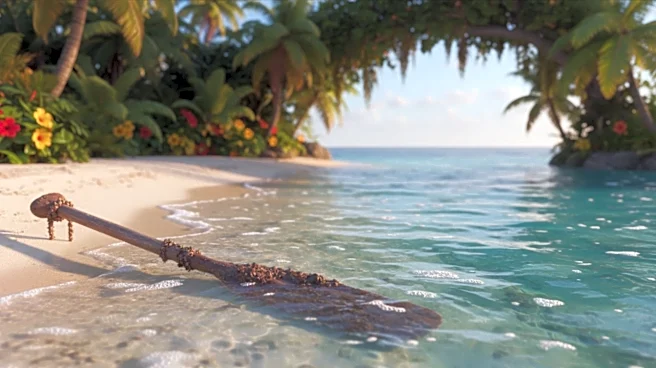
Weight and weather create consequence. When a boat feels solid and the storm feels real, every mistake has a cost. A damaged hull isn't a minor inconvenience; it's a life-threatening crisis that demands immediate, ingenious repair. In the animated film, Moana learns to sail with Maui’s guidance. In live-action, this training arc has the potential for so much more depth. We should see the splinters she gets from hauling on a rough line, the frustration of a poorly tied knot coming loose, the terror of losing a paddle overboard. These small, physical consequences ground her journey. They transform her from a Disney Princess on an adventure into a determined mariner earning her expertise through trial and error. Her canoe should become a reflection of her journey—scarred, patched, but enduring. This tangible sense of wear and tear tells a story that dialogue cannot. It proves that her success isn't granted by magic alone, but forged through grit and resilience.
Grounding Magic in Reality
Making the boat scenes feel real isn't about rejecting the fantasy; it's about making the fantasy hit harder. The magic of the ocean choosing Moana, of Maui’s shape-shifting, and of Te Fiti’s rebirth is more powerful when it stands in stark contrast to a grounded, physical world. An over-reliance on sterile CGI environments can create a disconnect for the audience. Using practical effects—a real boat on real water, actors reacting to tangible elements—enhances performance and believability. Moana’s divine quest to save her people is epic, but it's her very human struggle against the mundane realities of sailing that makes her a hero we can root for. Her mastery over the physical world of wind and waves is what prepares her for the spiritual challenge of confronting Te Kā. By making her struggle real, her eventual triumph becomes all the more wondrous.