



An Orchestra of Mismatched Instruments
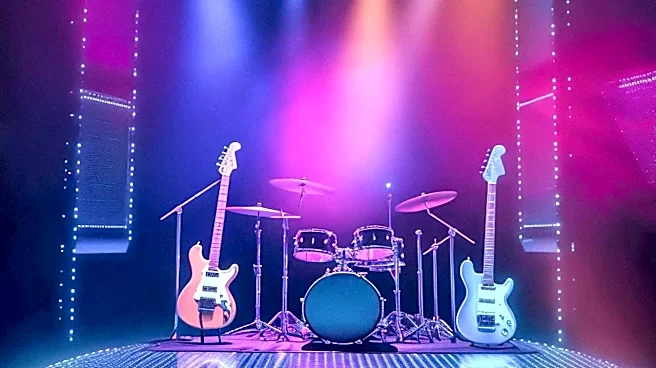
The very thing that makes Americana music great is what makes it a nightmare to mix for television. Unlike a rock or pop show with a relatively consistent setup, an Americana performance can feature a dizzying array of instruments with wildly different
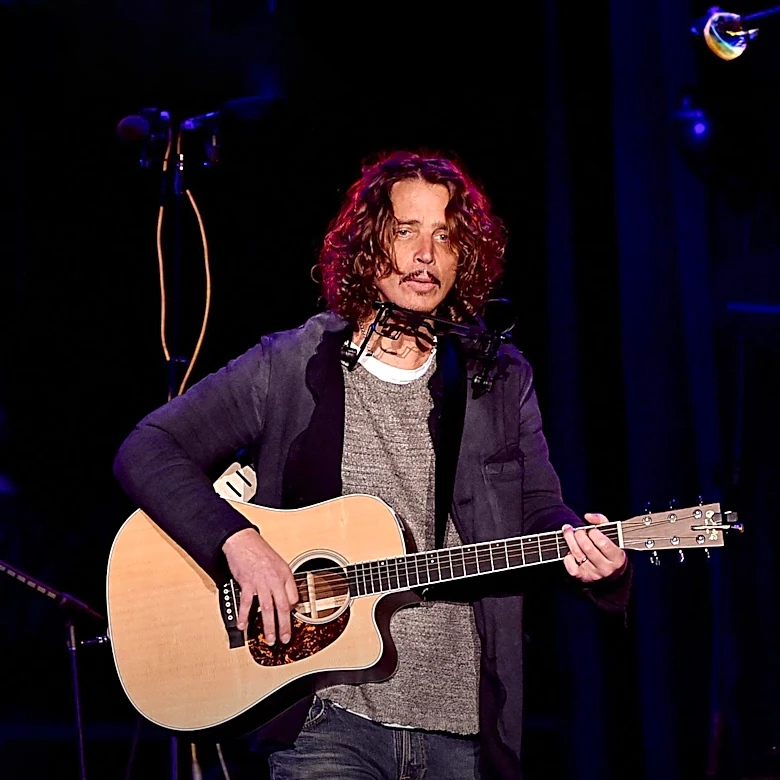
sonic properties. A hushed, fingerpicked acoustic guitar might be followed by a roaring electric slide, a mournful fiddle, a percussive banjo, and a booming upright bass—sometimes all in the same song. Each of these instruments occupies a unique frequency range and has a different natural volume. An audio engineer has to balance them all in real-time, ensuring the delicate mandolin isn't drowned out by the drums and the vocalist's every word remains clear. It’s less like mixing a band and more like conducting a folk orchestra that changes members with every performance.
The Two-Audience Problem
An awards show is mixed for two entirely different audiences simultaneously: the people in the venue and the millions watching at home. The front-of-house engineer is focused on making the show sound incredible inside the hall—often a historic, acoustically complex space like Nashville's Ryman Auditorium. That room has its own natural reverberation and character. Meanwhile, in a truck outside, a broadcast engineer gets the same raw microphone feeds but has a completely different job: create a clean, polished, and dynamic mix that sounds good through everything from high-end soundbars to tiny laptop speakers. What sounds powerful in the room can sound muddy on TV, and a mix that’s perfect for broadcast might feel sterile to the live audience. These two goals are often in direct conflict, forcing a constant, high-stakes compromise.
No Time for a Real Soundcheck
A touring band has hours to soundcheck, dialing in every microphone and monitor to perfection for that night’s show. On an awards telecast, performers are lucky to get 20 minutes. The schedule is relentlessly tight, with dozens of artists, presenters, and collaborations cycling on and off stage. This breakneck pace means there’s often no time for a full run-through of a performance. Engineers rely on quick line checks to ensure a signal is present, but the fine-tuning has to happen live on the air. This lack of preparation is a major source of stress and potential error. If a guitar level is too low or a vocal mic suddenly feeds back, the engineer has fractions of a second to diagnose and fix the problem while the show barrels forward.
The Human Element Under Pressure
Ultimately, every fader push and knob turn is a split-second decision made by a human being in an incredibly high-pressure environment. The broadcast audio engineer is juggling hundreds of inputs, monitoring feeds, and communicating with the show's director, all while trying to artistically shape the sound. A momentary lapse in focus can lead to a missed cue, like a guitar solo that never gets its moment in the spotlight or a backup vocal that overpowers the lead. Viewers may notice when something sounds wrong, but they rarely see the frantic, behind-the-scenes ballet required to make it sound right. Even with flawless rehearsals, unexpected technical failures with in-ear monitors or microphones can throw a performance into chaos, leaving both the artist and the engineer scrambling.