






The Uniform as Tribal Identity
On any given Sunday in the fall, American cities are awash in specific color combinations: the silver and blue of Dallas, the green and gold of Green Bay, the black and gold of Pittsburgh. An NFL jersey is more than apparel; it’s a regional passport.
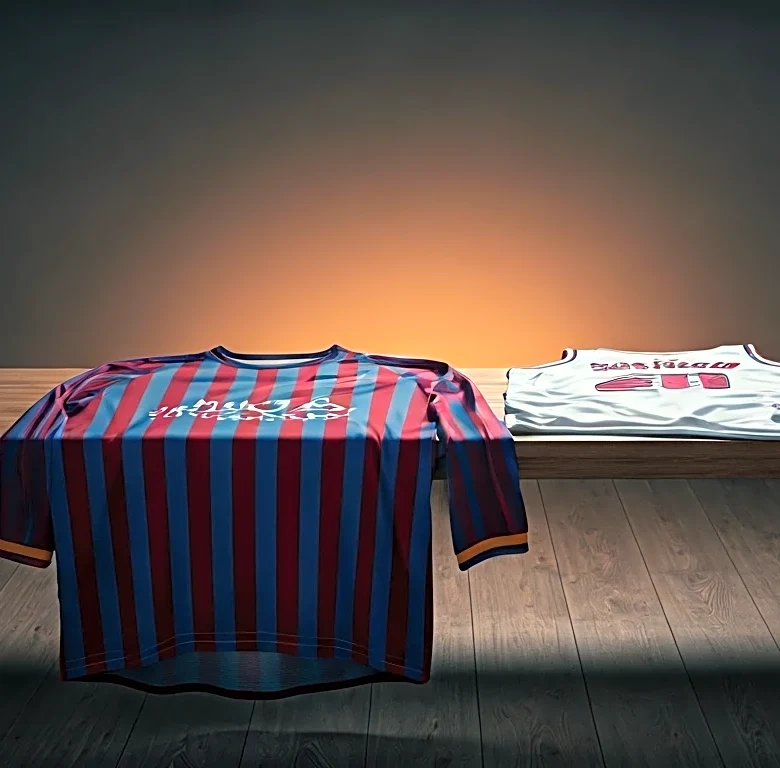
It says, “This is my team, this is my city, this is my tribe.” It connects a fan in a sports bar in Phoenix to another wearing the same Cardinals red in a pub in London. This is the most direct point of comparison with soccer. A Liverpool fan wearing the club’s famous red shirt in their home city of Liverpool is making the exact same statement as a Bears fan wearing navy and orange on a train out of Chicago’s Union Station. It’s a badge of local pride, an immediate and unspoken bond with thousands of others who share your weekly emotional investment.
A Canvas for National Pride
This is where the comparison begins to diverge and soccer’s unique power becomes clear. While an NFL jersey represents a city or a region, a national team soccer jersey represents an entire country. When the World Cup or the Euros roll around, a soccer kit transforms into a flag you can wear. It embodies the hopes, history, and political identity of a nation on a global stage. The sky blue and white stripes of Argentina’s jersey evoke not just Messi and Maradona, but a nation’s passionate, often turbulent, story. The vibrant yellow of Brazil is a worldwide symbol of joy and creative genius—*o jogo bonito* (the beautiful game). For immigrants and their descendants in the U.S., wearing the jersey of their family’s home country is a profound expression of heritage. An NFL jersey can’t carry the weight of geopolitics or diasporic identity in the same way. It's a different, and arguably deeper, layer of meaning.
Where History is Woven In
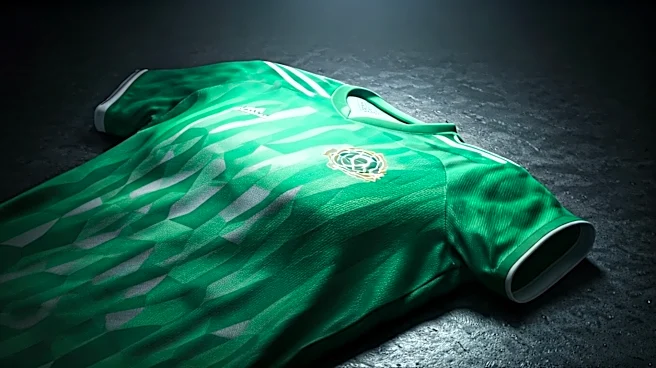
Both sports use uniforms to honor their past. The timeless, unchanging look of the Green Bay Packers or the Chicago Bears uniform is a testament to tradition. Their stability is the point; they connect today’s players to legends like Bart Starr and Walter Payton. Soccer jerseys do this, too, but in a more dynamic way. Because kits change annually, “throwback” designs have immense power. A club might release a kit inspired by a championship-winning team from 30 years ago, instantly activating a powerful sense of nostalgia. Iconic designs become shorthand for legendary eras: the intricate geometric pattern of West Germany’s 1990 World Cup-winning jersey or the impossibly cool Dutch kit from 1988 are not just retro fashion, they are artifacts of specific, triumphant moments in sports history that fans love to relive by wearing them.
From the Pitch to the Street
Perhaps the biggest difference lies in fashion and commerce. NFL uniforms are aesthetically stable. With few exceptions, they don't change year to year, and they rarely cross over into mainstream fashion. Soccer is the complete opposite. The annual release of new home, away, and third kits is a massive commercial event, more akin to a sneaker drop than a uniform unveiling. Brands like Nike, Adidas, and Puma use these releases to push design boundaries. This has turned soccer jerseys into legitimate streetwear. The Nigeria kit for the 2018 World Cup sold out in minutes, becoming a global fashion phenomenon worn by people who might not have watched a single match. Teams collaborate with fashion houses and musicians. The jersey is not just for game day; it’s a versatile piece of a modern wardrobe, a cultural currency that the NFL, for all its dominance, has yet to mint.