







For Men: The Foundational Rules
For gentlemen, white tie is a strict uniform. It begins with an evening tailcoat, which is always black or midnight blue and cut so it cannot be buttoned closed. The trousers are high-waisted, held up by suspenders (never a belt), and feature a distinctive
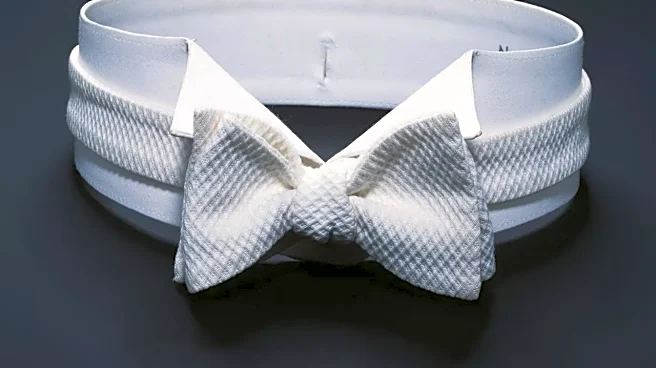
double braid of silk or satin down the leg. The shirt is just as specific: a white dress shirt with a stiff, detachable wing collar and a bib front made of a textured cotton called marcella or piqué.
The Namesake: Bow Tie and Waistcoat
The defining accessory is, of course, the white bow tie. For true adherence, it must be made of white marcella, matching the shirt bib and waistcoat, and always be self-tied. A pre-tied bow tie is a significant faux pas. The waistcoat is equally important and must also be white marcella. It should be low-cut to reveal the starched shirt front, and its length is critical: it must cover the trouser waistband but not extend below the front of the tailcoat.
Men’s Jewelry and Finishing Touches
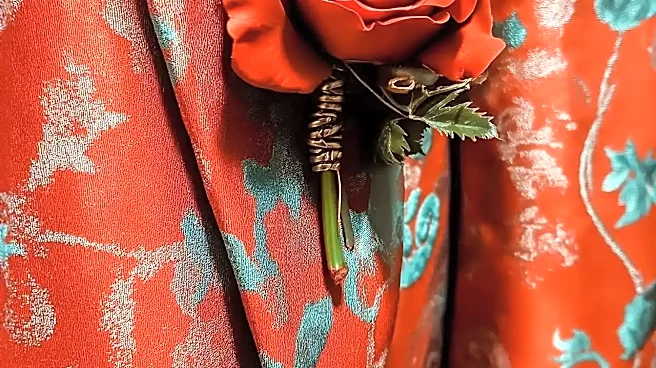
Jewelry for men is minimal and prescribed. Shirt studs and cufflinks are required; mother-of-pearl is the most traditional and correct choice, set in silver or platinum rather than yellow gold. Wristwatches are forbidden, as checking the time is considered rude. A pocket watch is the traditional alternative, though it is optional. Footwear must be black patent leather, either sleek oxfords or the more traditional opera pumps. Optional, yet classic, additions include white kid leather gloves, a white linen pocket square, and a white carnation boutonnière.
For Women: The Gown as a Canvas
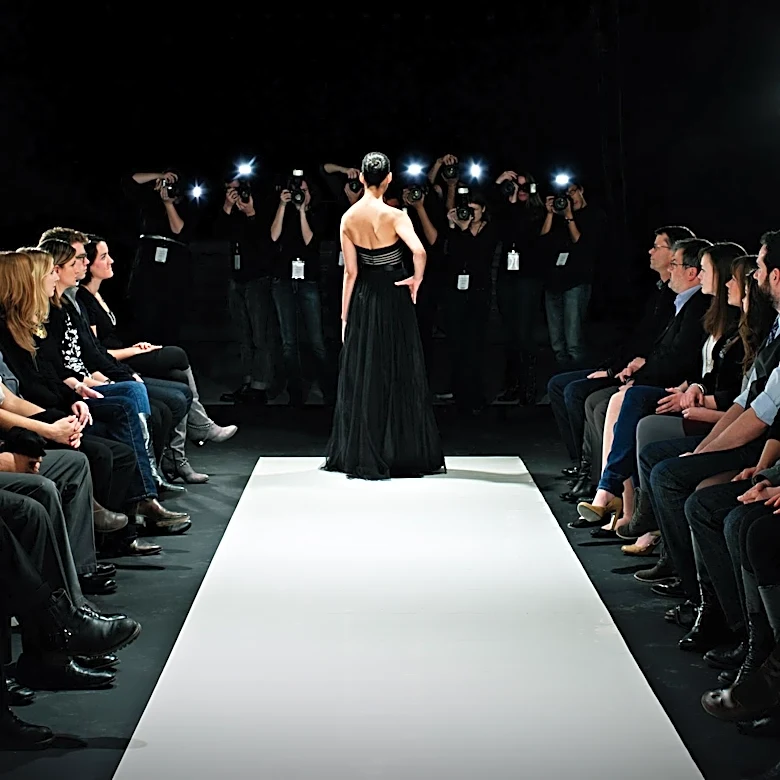
For women, white tie attire begins with a floor-length evening gown. There is no other acceptable length. The silhouette can vary—from a full ball gown to a more slender sheath—but the fabric must be luxurious: silk, satin, velvet, or fine lace are standard choices. While women have more freedom in color and style than men, the expectation is one of supreme elegance and formality. Modest necklines are traditional, and while rich jewel tones or classic black are common, white is generally avoided unless it's a debutante ball.
Heirloom-Worthy Jewelry
Jewelry is a key component and should be significant. The expectation is for fine jewelry—real diamonds, pearls, and precious gemstones—not costume pieces. A necklace should complement the gown's neckline, but if the dress is heavily embellished, elegant drop earrings may be a better choice. At the most formal events, married women may wear a tiara. The guiding principle is elegance over excess; a single, stunning bracelet is often preferred over stacking.
The Final Flourishes: Gloves and Handbags
Long opera gloves are a traditional and often expected accessory for women. Typically made of white or ivory kid leather, they should extend above the elbow. Etiquette dictates when they should be worn and removed, such as during dinner. The handbag must be a small, elegant evening clutch or minaudière. It should be made from a material that complements the gown, such as silk or metal, and be just large enough for essentials, ensuring it doesn't detract from the formality of the look.