



From the Frontier to the Silver Screen
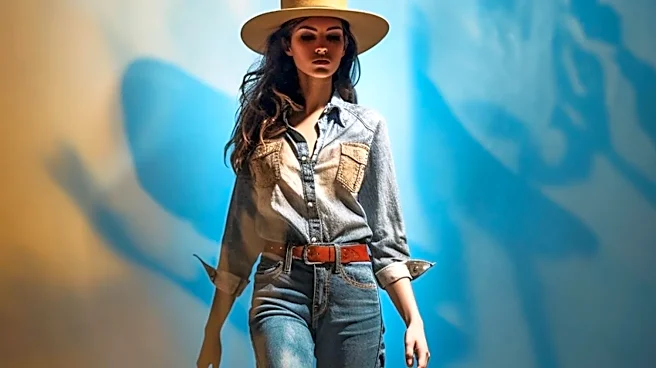
Originally, Western wear was all about function. Sturdy denim, leather boots, and wide-brimmed hats weren't fashion statements; they were essential gear for cowboys, miners, and ranchers navigating the harsh realities of the 19th-century American West.
The designs themselves were a melting pot, borrowing from Mexican vaquero traditions and the practical innovations of pioneers. But it was Hollywood in the 1930s and '40s that transformed this practical attire into a powerful symbol. Singing cowboys like Gene Autry and silver-screen legends like John Wayne romanticized the cowboy, turning his work clothes into an emblem of American heroism and rugged masculinity. Suddenly, the West was a style, and America was buying in.
Denim and the Birth of the Rebel
By the 1950s, the cowboy's favorite fabric, denim, broke away to start its own revolution. No longer just for laborers, jeans became the uniform of a new generation pushing against conformity. When Marlon Brando slouched in his Levi's in “The Wild One” and James Dean became a teen icon in “Rebel Without a Cause,” denim was forever cemented as the symbol of youthful defiance. It was so effective that some schools banned jeans, which only amplified their cool factor. Western wear's spirit of independence had been distilled into a single garment, proving that its influence could be powerful even when separated from the full cowboy costume.
Hippies, Rock Stars, and Urban Cowboys
The counter-culture movements of the 1960s and '70s adopted Western elements for a different kind of rebellion. For hippies, denim bell-bottoms and cowboy boots were part of a free-spirited, anti-establishment look. Rock stars embraced the aesthetic, too. Musicians like Gram Parsons, with his custom-embroidered “Nudie Suits,” and bands like the Rolling Stones blended Western flair with a bohemian, rock-and-roll edge. This laid the groundwork for the 1980s, when the movie “Urban Cowboy” sparked a mainstream craze. Suddenly, mechanical bulls, pearl-snap shirts, and cowboy hats were fashionable far from any ranch, and high-fashion designers began reinterpreting the look for runway collections.
The Constant, Quiet Comeback
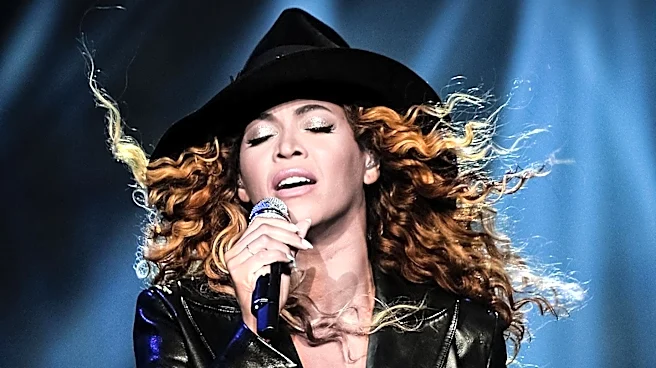
In the decades since, Western influence has become a permanent fixture in the American style lexicon, sometimes roaring back and sometimes simmering beneath the surface. It was present in the minimalist denim of the '90s and has seen a major resurgence recently. The “Yeehaw Agenda” celebrated the history of Black cowboys and their influence on culture and style. More recently, superstars like Beyoncé with her album “Cowboy Carter” and Pharrell Williams's collections for Louis Vuitton have thrust Western aesthetics back into the global spotlight, proving its endless capacity for reinvention. These moments aren't just trends; they are reminders of a style so deeply woven into the nation's identity that it never truly leaves.