


The 2000s: An Era of 'More is More'
The first decade of the new millennium was defined by a philosophy of excess in fashion. Accessories weren't just additions; they were the main event. This was the golden age of the “It bag,” a cultural phenomenon where handbags became status symbols
recognized by name: the Fendi Baguette, the Chloé Paddington with its signature padlock, and the Balenciaga Motorcycle bag. These weren't chosen for practicality—they were often heavy, small, and covered in logos—but for their ability to signal that you were in the know. Jewelry was similarly bold, from chunky statement necklaces to oversized hoop earrings and rhinestone-encrusted everything. On our feet, Ugg boots offered comfort but became a statement of their own, while pointy-toed stilettos dominated evening wear. Brands like Juicy Couture, Ed Hardy, and Von Dutch turned everyday items like tracksuits and trucker hats into canvases for loud, graphic branding. The entire ethos was about being seen, with accessories that were deliberately flashy, logo-maniacal, and joyfully impractical.
The Great Correction: Wellness and Minimalism Take Over
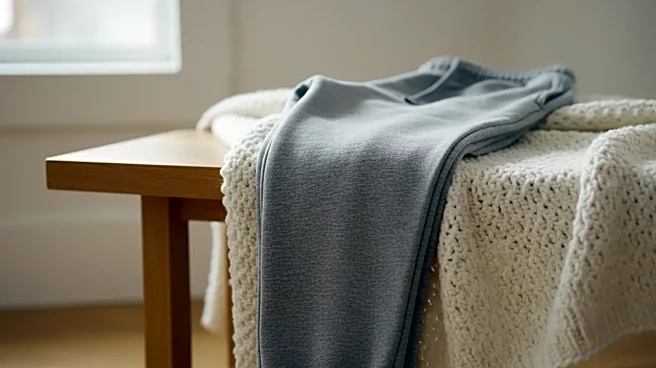
By the 2010s, a cultural shift was brewing. The maximalist hangover of the 2000s gave way to a new set of values, influenced by the burgeoning wellness movement, the clean aesthetics of Instagram, and a post-recession desire for longevity over loud luxury. Fashion followed suit, and the result was athleisure—a trend that prioritized comfort, function, and a more subdued form of style. This wasn't just about wearing yoga pants to brunch. It was a complete philosophical pivot. The new ideal was to look effortlessly put-together, healthy, and active. This aesthetic, sometimes dubbed "normcore" or simply minimalism, was a quiet rebellion against the previous decade's opulence. It was less about showing off wealth and more about showcasing a lifestyle of curated well-being.
From 'It' Bag to Sleek Backpack
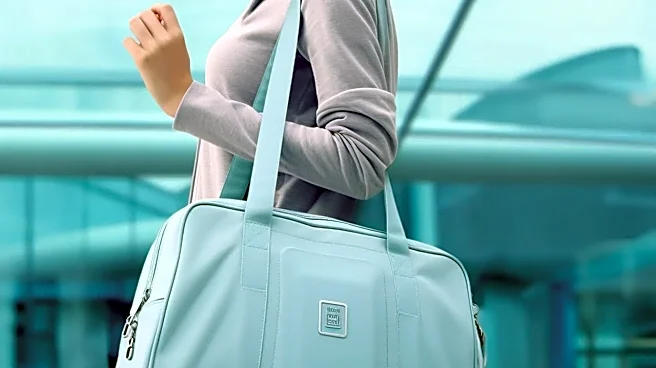
Perhaps no accessory illustrates this change better than the bag. The heavy, hardware-laden It bag of the 2000s was replaced by something far more practical: the minimalist leather backpack or a simple, unadorned crossbody. Brands like Fjällräven Kånken, initially a practical Swedish school bag, became a global phenomenon. The new desirable bag was anonymous, functional, and fit seamlessly into a life on the go. It held a laptop, a water bottle, and gym clothes. Its value was in its utility, not its logo. The shift marked a move from a bag that says, “Look what I have,” to one that says, “Look what I do.”
The Sneaker Topples the Stiletto
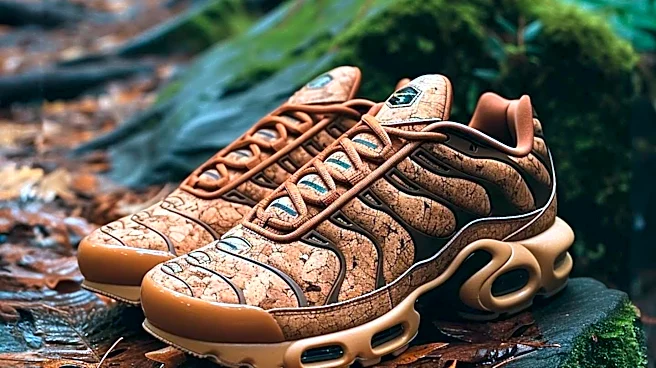
Footwear underwent a similar revolution. While the 2000s had its share of sneaker culture, the 2010s saw the athletic shoe achieve total fashion dominance. The stiletto was sidelined in favor of the designer sneaker. Adidas Stan Smiths, Common Projects, and Nike's streamlined designs became the default footwear for everything from work to weekend errands. Luxury brands, which once focused on heels and formal shoes, began pouring resources into creating their own high-end sneakers. Comfort wasn't just a bonus; it was the primary selling point. The sneaker's rise signaled that being stylish no longer had to mean being uncomfortable. Function had become the new fashion statement.
The Quiet Disappearance of Bling
The bold, look-at-me jewelry of the 2000s also faded. Chunky, colorful statement necklaces were swapped for delicate, layered gold chains. Big hoops and chandelier earrings were replaced by tiny studs or minimalist geometric shapes. The new jewelry was personal and subtle, designed to be worn every day. In many ways, the most telling accessory of the 2010s wasn't jewelry at all, but the fitness tracker. A Fitbit or an Apple Watch worn on the wrist became a far more potent status symbol than a rhinestone-covered cuff, broadcasting a commitment to health and self-optimization—the core tenets of the entire athleisure movement.