




More Than Just a Popularity Contest
First, it’s crucial to understand what makes the AMAs different from, say, the Grammys. While the Grammys are decided by music industry insiders and peers, the AMAs have always been positioned as the voice of the people. Winners are chosen by fans, with
nominations based on key commercial metrics: streaming numbers, album and song sales, and, importantly, radio airplay. This makes the show less a measure of critical acclaim and more a direct reflection of what the American public is actively consuming. It’s not about who critics think *should* be big; it’s about who demonstrably *is* big. This fan-voted, data-driven approach is precisely what makes it a perfect barometer for cultural consensus.
Radio's Unbeatable Reach
It’s tempting to dismiss terrestrial radio as a relic in the age of Spotify and Apple Music. But for achieving true, unavoidable ubiquity, nothing beats it. Radio is the passive listening champion. It’s on in the car, at the dentist’s office, and in stores. It introduces music to audiences who aren’t actively seeking it out, turning a popular song into a genuine cultural moment. Think of how many times you’ve heard a song on the radio and thought, “Oh, it’s *this* song again.” That repetition is powerful. It drills a track into the collective consciousness, making it a familiar comfort for millions. An artist who can score a multi-format radio hit reaches demographics that might never find them on a curated playlist, building a broad, diverse coalition of listeners that is essential for winning a mass-market award.
The Streaming Loyalty Machine
On the other side of the coin is streaming, the engine of modern fandom. Platforms like Spotify, Apple Music, and YouTube are where artists build deep, intense loyalty. Streaming allows for active, intentional listening. Fans don’t just hear a song; they choose it, add it to playlists, share it, and watch the video on repeat. This creates a dedicated army of followers who generate massive streaming numbers, drive viral moments on platforms like TikTok, and are highly motivated to vote in fan-driven awards shows. An artist like Bad Bunny, for instance, can dominate streaming charts for years, proving that a massive, engaged digital audience is a formidable force. For many new artists, streaming isn’t just a distribution method—it’s their entire path to stardom.
The Crossover Consensus
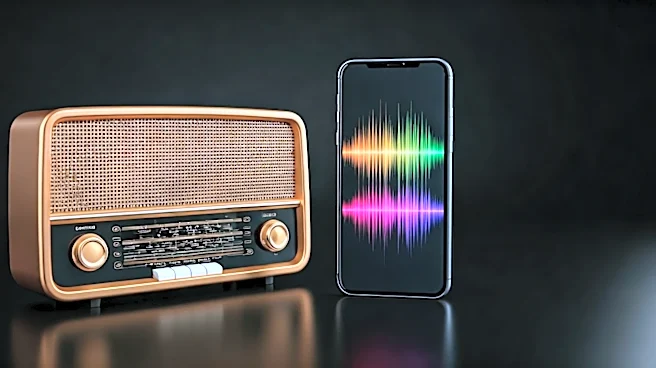
So, where do the AMAs winners come in? They are almost always the artists who have mastered both worlds. They are the rare figures who can command both the passive ubiquity of radio and the active devotion of streaming. Look at a perennial AMA winner like Taylor Swift. Her songs, like "Anti-Hero," don't just rack up hundreds of millions of streams from her dedicated Swifties; they also blanket radio airwaves, becoming unavoidable pop anthems for the general public. Similarly, artists like Doja Cat and Post Malone built their careers by first exploding on streaming and social media, then expertly translating that momentum into massive radio hits. Winning a major AMA, like Artist of the Year, requires a level of success so enormous that it bridges the gap between different listening habits. The winners are the common ground. They represent the point where the new gatekeepers (streaming platforms) and the old guard (radio programmers) are forced to agree on one thing: this artist is undeniable.