






It’s Nation vs. Nation, Not City vs. City
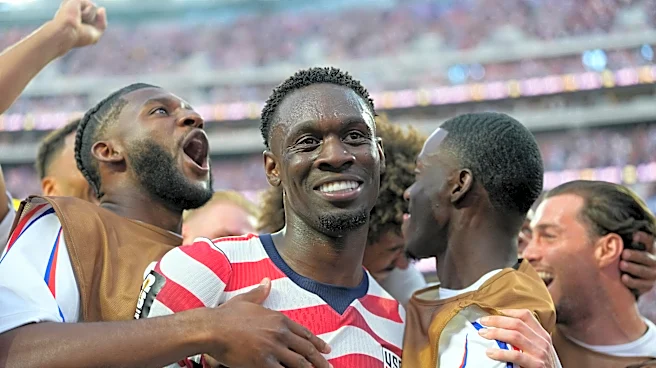
This is the single biggest difference. When the Kansas City Chiefs win the Super Bowl, it’s a massive celebration for a city and a region. But when France or Argentina wins the World Cup, it’s a moment of collective national ecstasy. The players aren’t
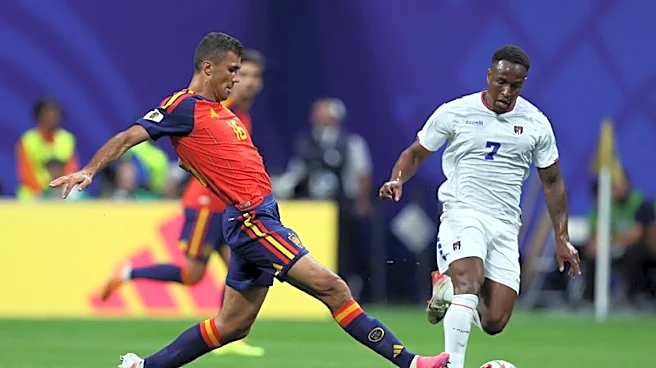
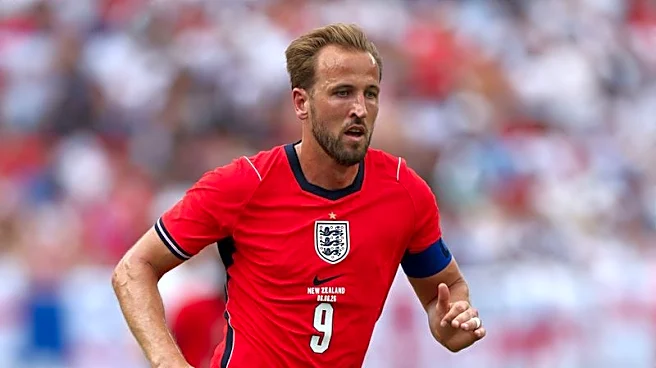
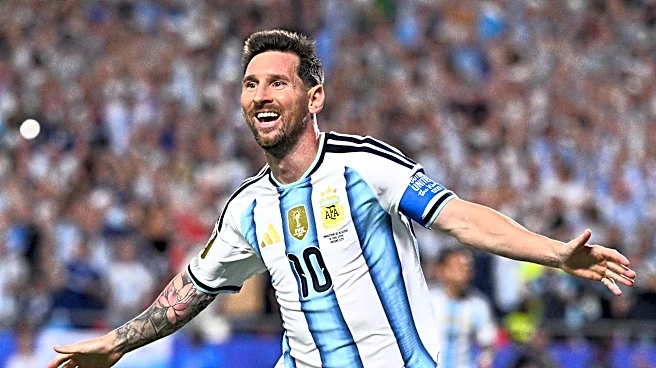
highly-paid employees of a franchise; they are representatives of their homeland. The jersey they wear is a flag. This transforms the emotional stakes from regional pride, which is powerful, into national identity, which is primal. For billions of people, the team’s performance is a direct reflection on the country itself—its passion, its resilience, its place in the world. It’s not just a game; it's a proxy for everything people feel about where they come from.
The Scarcity Principle on a Global Scale
The Super Bowl, NBA Finals, and World Series happen every single year. If your team loses, the mantra is always, “There’s always next year.” The World Cup happens once every four years. An entire generation of world-class players might only get one or two realistic shots at glory. This scarcity injects a level of desperation and meaning into every single match that an annual championship can't replicate. Four years is a long time to wait, to dream, to rebuild. That long cycle creates a mythic quality around the event. It’s not just the next tournament on the calendar; it's a rare celestial alignment that commands the world's undivided attention.
The Unrivaled Global Audience
We often hear about the Super Bowl’s massive viewership, which hovers around 100 million in the U.S. with a global audience bringing it closer to 200 million. It’s a huge number, but it’s a regional event compared to the World Cup. The final match of the 2022 World Cup between Argentina and France was watched by an estimated 1.5 billion people. Over the course of the tournament, more than 5 billion people engaged with it in some way. The tournament doesn’t just air in other countries; it dominates them. In many nations, work stops, streets empty, and life itself seems to pause for 90 minutes. It's one of the few truly global conversations, a shared experience that binds together people from wildly different cultures in a way no other event, sporting or otherwise, can match.
A Month-Long Narrative Epic
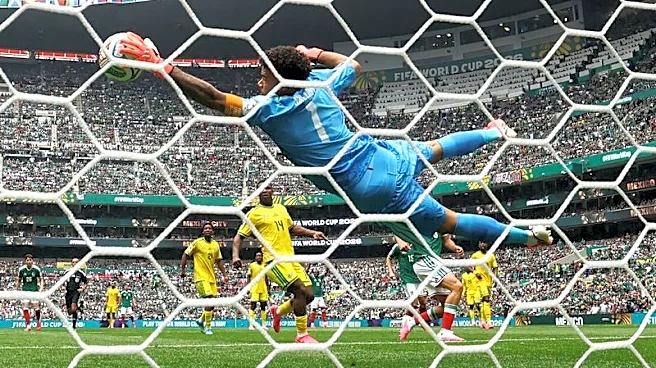
A championship series is a week-long drama. The Super Bowl is a one-night explosion. The World Cup is a month-long novel with a sprawling cast of characters. It begins with 32 separate storylines—32 nations arriving with their own hopes, styles, and stars. The group stage is a frantic three-act play of survival, where giants can fall and underdogs can write themselves into history. Then comes the knockout stage, a brutal, single-elimination bracket where every game carries the weight of a final. This extended format allows for incredible narrative arcs to develop. Heroes are forged, villains emerge, and redemption stories unfold in real-time. By the time the final arrives, it’s the climax of a global epic you’ve been living and breathing for four weeks.
The Planet's Universal Language
The beauty of soccer is its simplicity. You don't need to understand complex rules like the infield fly rule or what constitutes a false start. The objective—kick a ball into a net—is universally understood. This accessibility is its superpower. While American football is a uniquely American obsession and cricket captivates the Commonwealth, soccer is the planet’s lingua franca. It’s played in wealthy suburbs, dusty streets, and crowded favelas with the same basic rules and the same passion. This inherent simplicity allows it to cross cultural, economic, and linguistic barriers effortlessly, creating a foundation for a global celebration that feels bigger than sport because, in many ways, it is.