



When the 60th Annual CMA Awards air live from Nashville, you'll see the seamless glitz and glamour. But behind the curtain, a temporary city is built and run by a logistical army to make 'Country Music's Biggest Night' happen.
The Venue Transformation
Weeks before the first star
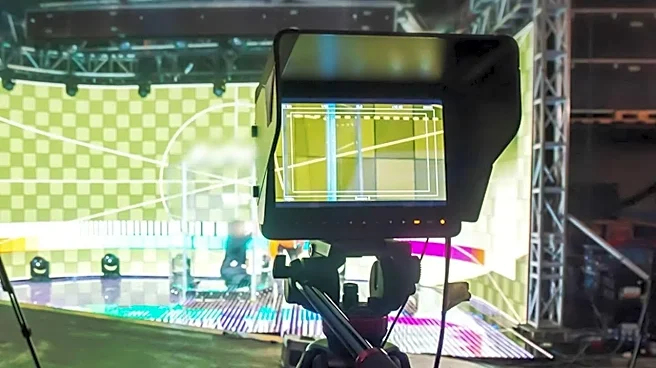
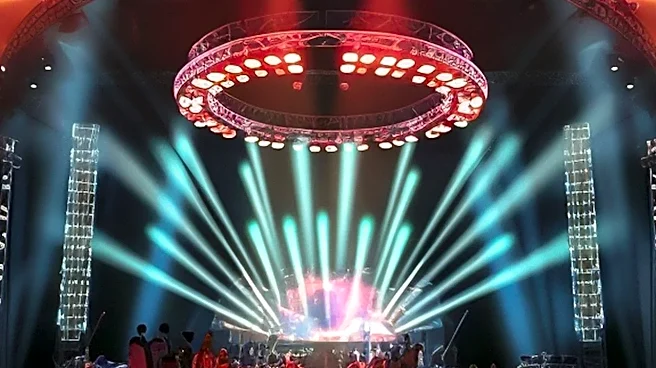
walks the red carpet, the real show begins at Nashville's Bridgestone Arena. This isn't just decorating; it's a full-scale industrial takeover. The process starts with 'load-in,' where dozens of semi-trucks haul in miles of cable, tons of steel for staging, and complex lighting and sound grids. Crews work around the clock to transform a hockey arena into a television studio. The arena, which can hold up to 20,000 people, requires a massive build-out, including custom stages, presenter areas, and thousands of square feet of video screens. This year, the production team, led by Executive Producer Robert Deaton, must coordinate every detail, from the placement of 800-plus motors in the ceiling for special effects to the specific color palette for each performance set. The entire operation must work around the arena's packed schedule, with crews able to convert the space from a concert to a hockey game and back again in a matter of hours.
Wrangling the Talent
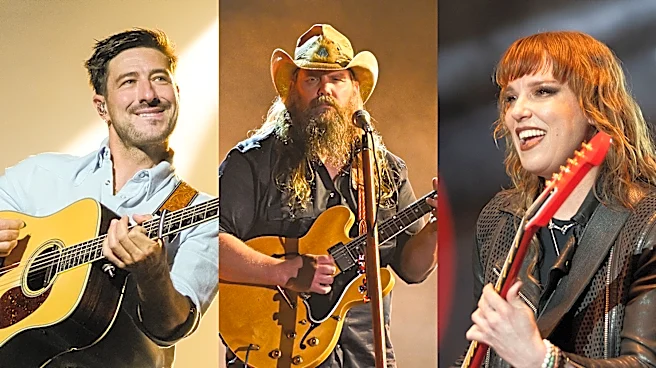
An awards show is nothing without its stars, but getting dozens of A-list artists, presenters, and nominees in the right place at the right time is a masterclass in scheduling. This year's show, hosted for the third consecutive time by Lainey Wilson, will feature performances from artists like Cody Johnson, Kacey Musgraves, and a special tribute to Dolly Parton. Each performance requires its own dedicated rehearsal time, sound check, and technical run-through. In the days leading up to the broadcast, producers will cycle through roughly 20 performances in just three days. Backstage becomes a 'choreographed chaos' of dressing rooms, production offices, and hospitality suites, all managed by a team that ensures every artist moves from their dressing room to the stage on a minute-by-minute schedule. This complex dance involves coordinating not just the artists but their entire teams of managers, publicists, and security personnel.
The Red Carpet Production
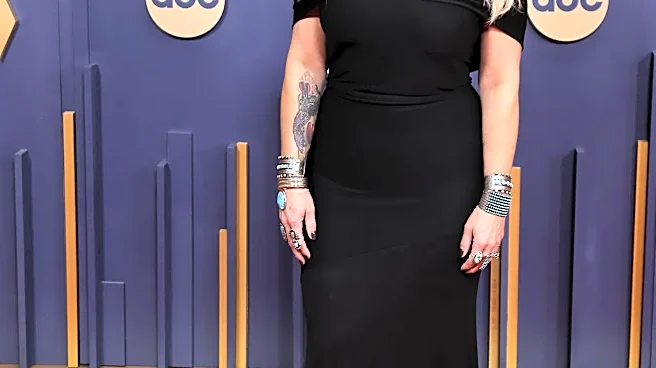
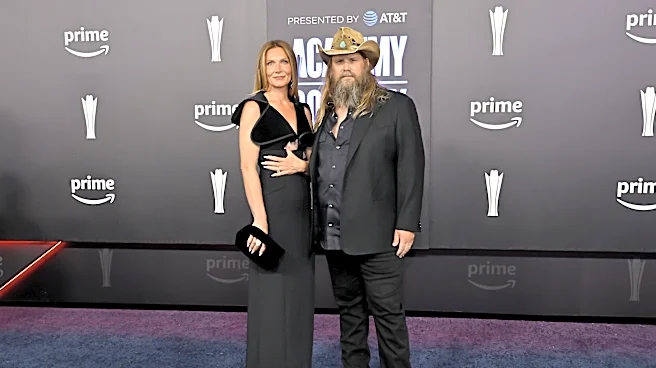
The red carpet isn't just an entryway; it's a massive media event and a live production in its own right. What looks like a simple walkway is actually a highly controlled environment packed with hundreds of media outlets from around the world. The logistics involve building a dedicated press area with specific camera platforms, lighting setups, and audio feeds to accommodate interviews. Managing the flow of talent is a critical task, as coordinators direct stars from one press pen to the next, all while ensuring the live broadcast captures the key arrivals. This year's 'CMA Awards Backstage Live' pre-show adds another layer of technical complexity, requiring its own hosts, cameras, and broadcast feed that runs in parallel to the main event. The entire operation must be set up and broken down within a tight window, all on one of Nashville's busiest downtown streets.
The Broadcast Beast
While an audience fills the arena, the real audience is the millions watching at home on ABC and Disney+. The technical production required for the live broadcast is immense. A mobile production control room, essentially a high-tech command center in a truck, becomes the show's nerve center. Here, director Alan Carter will call shots from dozens of cameras positioned throughout the venue—from wide angles of the stage to tight closeups of nominees' reactions. Every second of the three hour broadcast is mapped out in a 'run of show' document, a script that dictates every camera change, graphic, video package, and lighting cue. The audio team manages hundreds of microphone inputs, ensuring the sound is flawless for both the arena audience and the viewers at home. It’s a high stakes environment where a five second delay or a missed cue can disrupt the entire flow of the live show.