





The New Autumnal Rite of Passage
September once belonged to network television, which would roll out new sitcoms and procedurals to coincide with the school year. While that tradition continues, the month has been colonized by streaming services and premium cable channels as the unofficial
start of the “prestige” TV calendar. Instead of light, breezy fare, the season now kicks off with heavy hitters—shows with cinematic production values, complex scripts, and a clear eye on awards. This fall alone has seen a flurry of period pieces, from sweeping adaptations of classic novels like “A Tale of Two Cities” and “Lalka” to historical action films like “The Uprising.” This strategic shift transforms the fall premiere from a simple schedule refresh into a declaration of intent.
Chasing the Emmys Halo
The Primetime Emmy Awards are typically held in September, and their timing is a massive factor in this scheduling strategy. While a show premiering in September isn't eligible for the awards that just passed, it launches squarely in the conversation for the next year's cycle. Streamers use the buzz of the Emmys to their advantage; as television's biggest night celebrates the best of the best, a platform can release a brand-new, high-quality historical drama and position it as an immediate future contender. This creates an aura of importance, essentially telling audiences, “While you’re thinking about award-winning TV, here’s our next big one.” The impact is measurable: Emmy wins and even nominations can cause a massive spike in viewership for a series, giving it a second life long after its premiere.
The Audience is Ready for Homework
There's also a psychological component at play. As the weather cools and the freewheeling days of summer end, viewers' habits change. People spend more time indoors and are often more receptive to challenging, immersive storytelling—the television equivalent of switching from a beach read to a dense biography. Historical dramas, which often require viewers to invest in a different time, place, and set of social rules, fit this “back-to-school” mindset perfectly. They offer a rich, substantial viewing experience that feels more like a cultural event than a casual weeknight distraction. This shift in audience mood makes September the ideal time to launch a series that asks for a bit more commitment.
A Genre for Every Ambition
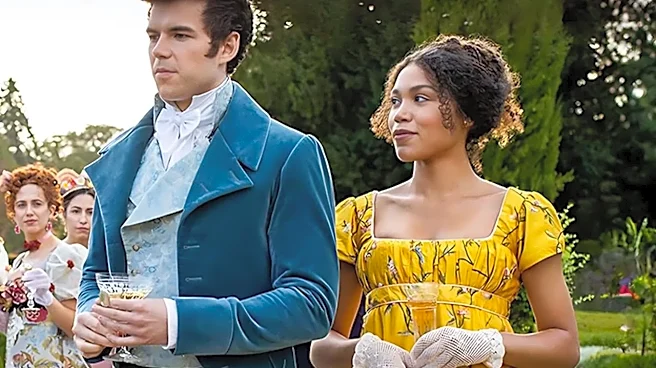
The term “historical drama” itself has become incredibly flexible, which is why it's such a reliable workhorse for programmers. It’s no longer just about corsets and castles. Today, the genre encompasses everything from the Gilded Age high-society intrigue of shows like HBO's “The Gilded Age,” to political thrillers, war epics, and social satires set in the recent past. This versatility allows a network or streamer to tailor its historical offering to a specific goal. A lavish royal drama can attract a broad, global audience, while a gritty series about a 14th-century peasant revolt can generate critical buzz for its bold storytelling. By offering a portal to another world—whether it's 1880s New York or 1970s London—these shows provide the ultimate form of television escapism, grounded in stories that feel important and resonant.