

An Audacious Experiment
The idea for the Outside Lands Music and Arts Festival was simple on its surface: bring a massive, multi-day music event to one of the world's most iconic urban parks. The reality was a logistical gauntlet. Organizers spent over three years securing permits
for the inaugural event in August 2008. Concerns ranged from traffic and neighborhood disruption to the simple fact that Golden Gate Park had strict rules and a cherished identity. It wasn't just another field; it was the city's backyard. Headlining this risky venture was Radiohead, making them the first band to ever play a major concert in the park after dark. For many, the festival was a Radiohead show with an enormous undercard.
A Park Full of Problems
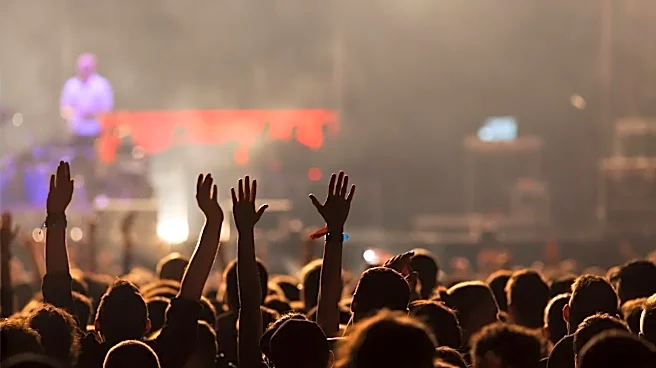
The first day of the festival was a chaotic trial-by-fire. Pathways between stages were too narrow, leading to bottlenecks and frustrated fans who tore down fences to get a better view. And then there were the technical gremlins. During Radiohead’s set, the main PA system cut out completely—not once, but twice. For minutes at a time, a crowd of over 50,000 people stood in near silence as the band played on, unaware their sound wasn't reaching the field. The power outages, combined with the usual challenges of San Francisco's cold, foggy nights, underscored the difficulty of producing a world-class show under such tight constraints.
Enter Radiohead, At Peak Power
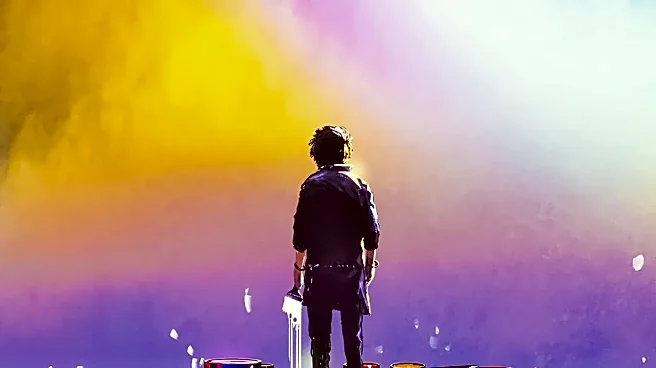
If any band was equipped to handle the moment, it was Radiohead in 2008. They were touring their critically adored album In Rainbows, a record that had redefined their sound and the music industry itself with its pay-what-you-want release. Their live show was a known quantity: a stunning, immersive audiovisual experience. This wasn't just about volume; it was about atmosphere. The band's lighting director, Andi Watson, had famously pioneered a touring rig that was both visually spectacular and environmentally conscious, relying heavily on dynamic, low-energy LED technology. They didn't just light the stage; they created an intimate, self-contained world for the audience.
A Masterclass in Atmosphere
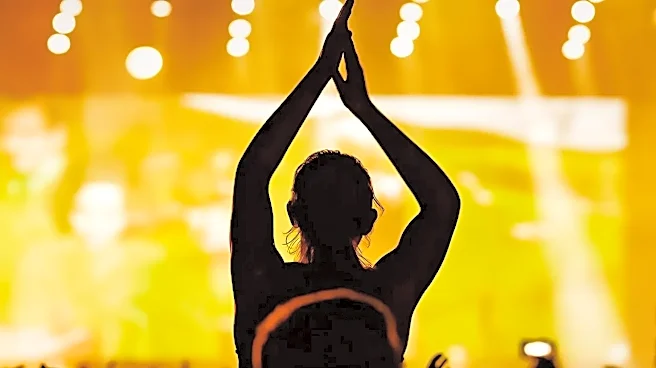
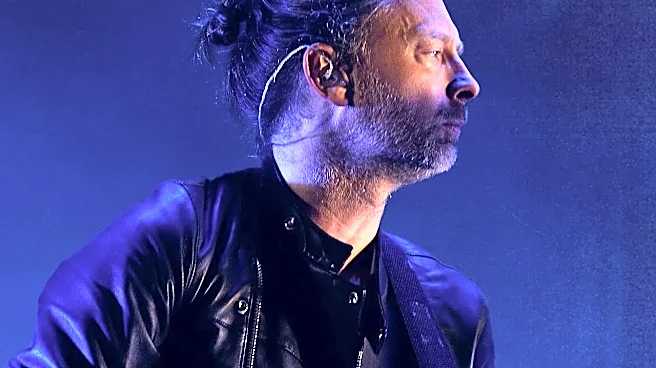
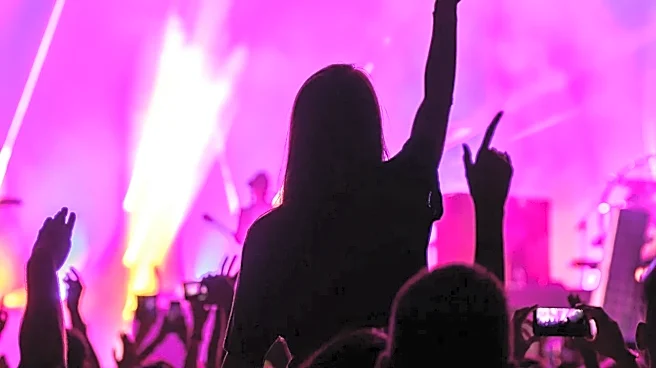
Despite the sound problems that frustrated both the band and the audience, the set became legendary for how it overcame them. When the sound worked, it was sublime. When it didn't, the band’s visual production filled the void. The intricate, pulsating light show was perfectly synchronized to the music, cutting through the fog and transforming the vast Polo Field into an intimate space. Reviews from the time note how Thom Yorke’s haunting vocals on songs like “Reckoner” and “Fake Plastic Trees” seemed to hypnotize the massive crowd into a reverent quiet. The performance was a testament to the band’s artistry, creating a sense of shared, transcendent experience that made the logistical failures feel secondary.
The Blueprint for the Future
In retrospect, Radiohead's 2008 performance was more than just a memorable concert; it was a proof of concept. It demonstrated that with the right headliner and sophisticated production, you could conquer the natural and man-made challenges of Golden Gate Park. The set proved that a festival could create magic after dark, not through brute force and sheer volume, but through artistry and atmosphere. It showed that dynamic lighting could be more powerful than a wall of speakers, especially in a dense, fog-prone environment with noise-sensitive neighbors. This masterclass in mood-setting provided a blueprint that Outside Lands would follow for years, paving the way for iconic nighttime performances from artists like Paul McCartney, Kendrick Lamar, and Elton John in the same space.