




The Basic Problem of Time
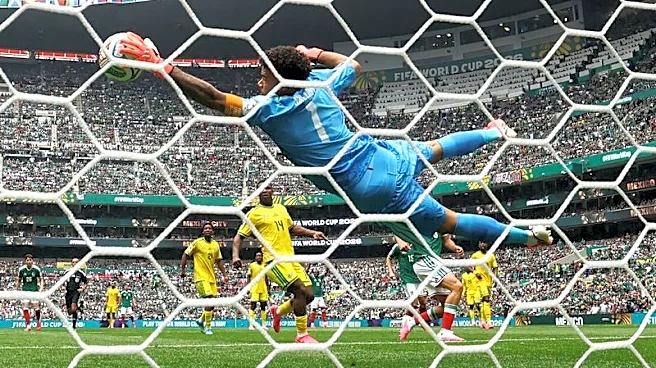
The heart of the penalty taker’s problem is physics. A well-struck soccer ball travels from the penalty spot to the goal line in about 0.4 seconds. A goalkeeper’s reaction time—seeing the ball, processing its direction, and launching their body—is about 0.6
seconds. The math doesn’t add up. The keeper has to guess. But here’s the cruel twist: so does the kicker. To generate maximum power and accuracy, a player must begin their striking motion *before* the keeper has committed to diving left or right. If they wait to see where the keeper goes, they sacrifice technique, resulting in a weak, saveable shot. This forces every penalty taker into a choice, made in the lonely seconds before their run-up begins. Do you trust your plan or your instincts? This question splits all penalty takers into two camps.
Strategy 1: Keeper-Independent
The first school of thought is to ignore the goalkeeper completely. This is the keeper-independent strategy. The player decides exactly where they’re going to put the ball—top left corner, low and to the right, wherever—and commits to it absolutely. The run-up is fluid, the strike is clean, and the focus is on perfect execution. The goal is to hit a shot so precise and powerful that it’s simply unsaveable, regardless of whether the keeper guesses correctly.
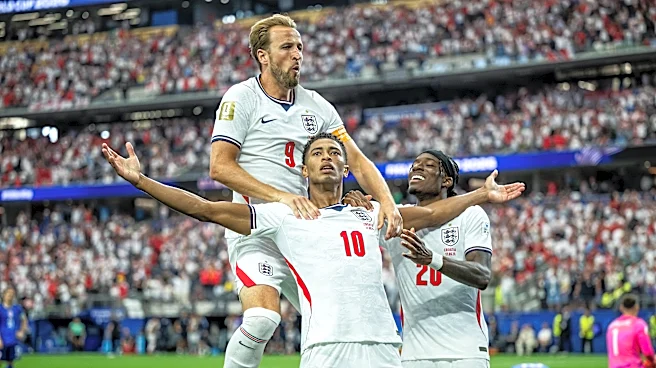
Think of players like Alan Shearer for England or, more recently, Harry Kane. Their approach is one of conviction. The benefit is control; you’re not reacting to anyone. The risk, however, is that you’ve made a choice long before the moment of truth. If a keeper has done their homework, knows your favorite spot, and guesses right, your perfectly struck shot can end up nestled in their gloves. It removes the reactive mind game but opens you up to being scouted and out-thought before you even step up.
Strategy 2: Keeper-Dependent
The second approach is the opposite: make the entire decision about the goalkeeper. This is the keeper-dependent strategy. Instead of picking a spot beforehand, the player approaches the ball with a slower, more deliberate run-up. They watch the keeper for the slightest tell—a shift in weight, a preliminary step, the angle of their shoulders. The goal is to wait until the last possible nanosecond, see which way the keeper dives, and calmly roll the ball into the opposite side of the net.
Players like Eden Hazard or Italy’s Jorginho mastered this nerve-wracking art. When it works, it looks like genius; the keeper is sent sprawling one way while the ball trickles in the other. But it’s a high-wire act. The hesitation required can disrupt the kicking motion, leading to a scuffed or under-hit shot. If the keeper calls your bluff and stays in the middle, or if your last-second adjustment is clumsy, you look like a fool. It’s a strategy that trades raw power for psychological warfare, and it requires immense composure.
The Brain Under Pressure
So, which is better? Statistically, neither has a truly decisive edge. The choice often comes down to personality. But the “too fast” element in the headline is where the real drama lives. Sports psychologists, most notably Geir Jordet, have studied this moment extensively. The long walk from the center circle, the taunts from opposing players, the weight of a championship on your shoulders—it all floods the brain with cortisol, the stress hormone.
This is catastrophic for complex decision-making. High stress narrows your focus (literally, a phenomenon called “perceptual narrowing”) and favors primitive, rushed actions over calm, deliberate ones. It can make a keeper-dependent player rush their decision, or a keeper-independent player second-guess their chosen spot. This is why you see world-class athletes, who can hit a bottle cap from 50 yards in training, blaze a penalty over the bar. Their brain, overloaded and acting too fast, has failed them, not their technique.