






The Crime of Breaking Tradition
The single fastest way for a brand like Nike or Adidas to ignite a firestorm is to mess with a classic. Every iconic team has a visual identity baked into its DNA: Barcelona's vertical stripes, Real Madrid's all-white 'Los Blancos' look, or the USMNT's
history with sash designs. When a new jersey deviates from these sacred conventions—even slightly—the reaction is swift and merciless. Fans will accuse the designers of not understanding the club's history, of chasing trends, and of committing sacrilege for commercial gain. Expect to see phrases like "an insult to our heritage" and petitions demanding a recall. It’s the sartorial equivalent of changing the Yankees' pinstripes to polka dots; it’s a declaration of war against memory and identity, played out in polyester.
The 'What Were They Thinking?' Design
While tradition is one battleground, the other is aesthetics. This is where things get truly fun. Every year, a handful of teams will release a third jersey or an away kit that looks like a fever dream, a dare, or a graphic designer’s final project gone horribly wrong. These are the infamous "curtain pattern" jerseys, the neon-splattered abominations, and the bizarre geometric experiments that have fans asking, "Who approved this?" Some become so legendarily awful they circle back to being beloved cult classics, like Manchester United’s infamous grey kit from the 90s, which players claimed they couldn't see against the crowd. For a U.S. example, look no further than the 2014 "Bomb Pop" jersey—derided at first, now a cherished piece of nostalgia.
The Generic Template Takeover
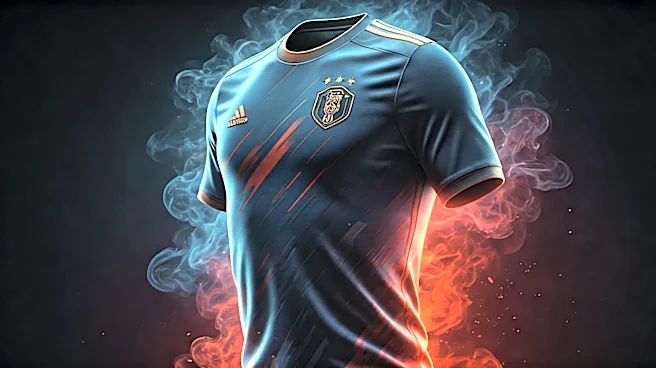
Perhaps the most modern form of kit outrage is aimed at the manufacturers themselves. When Nike or Adidas sponsors dozens of teams, fans start to notice something unnerving: many of the jerseys look… the same. This is the dreaded "template" controversy. A brand will develop a core design for the season—say, a specific collar style or a pattern on the sleeves—and apply it with minor color changes across multiple clubs and national teams. The result is a feeling of mass-produced soullessness. Fans don't want their team’s unique identity to be a simple color-swap of another team's jersey. The backlash is always fierce, accusing brands of laziness and devaluing the special relationship between a team and its colors. This will be a major storyline for the 2026 World Cup teams.
The Leak Economy and Hype Cycle
The official reveal is only half the story. A whole cottage industry exists online dedicated to leaking photos of next season's jerseys months in advance. Websites and social media accounts with names like 'Footy Headlines' become essential reading, posting blurry locker room photos and digital mock-ups. This creates a pre-drama drama. Fans debate the authenticity of the leaks and argue about the designs before they're even confirmed. A great design that leaks early can build incredible hype (see: Nigeria's 2018 World Cup kit, which sold out globally). A terrible one gets savaged for months, forcing the club and brand to endure a slow-motion PR disaster. It's the modern sports equivalent of movie spoilers, and it’s an inseparable part of the process.