






The Anatomy of a Wardrobe Staple
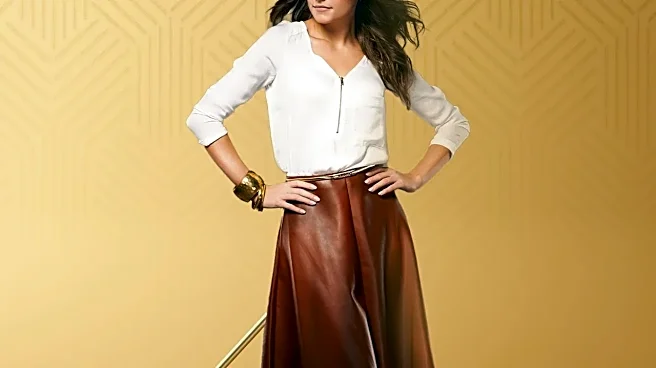
From crisp cotton in the summer to heavy wool in the winter, the A-line skirt is a fashion chameleon. Its magic lies in its simplicity: fitted at the waist, it flares out gently to the hem, creating an 'A' shape that balances proportions and offers easy
movement. It’s the kind of garment that can be dressed up with a silk blouse or down with a simple t-shirt, making it a foundation of countless closets. When we’re deciding whether to buy one, we usually focus on the obvious things—the feel of the fabric, the neatness of the stitching, the quality of the zipper, and whether the pattern is printed straight. These are all valid points, but they only tell part of the story. A skirt can pass all these surface-level checks and still fail the most important test: how it drapes on a real, moving body.
The Secret That Determines the Drape
The single most overlooked detail that separates a mediocre A-line from a truly exceptional one is the grainline. In woven fabric, the grainline refers to the direction of the threads. There’s the lengthwise grain (strongest, no stretch), the crosswise grain (a little give), and the bias (the diagonal 45-degree angle, which has the most stretch and fluidity). How the pattern pieces are aligned on this grain before being cut dictates everything about the final garment's fit and movement. Cutting a skirt "on grain" or "straight" means the center of the skirt panel runs parallel to the fabric's strongest threads. This gives it structure and a clean, predictable flare. Cutting it "on the bias," however, creates that liquid, body-skimming drape famous in 1930s gowns and modern slip dresses. Neither is inherently better, but a poorly executed cut—one that is even slightly off-grain—is the culprit behind many fit issues that shoppers mistakenly blame on their own bodies.
What an Off-Grain Cut Looks Like
When a skirt is cut improperly, even slightly off-grain, it will never hang correctly. The most common sign is twisting. A side seam might start at your hip but end up closer to the front of your leg by the time it reaches the hem. With patterned fabric like a plaid or check, the lines won't fall straight and may appear to curve or warp around your body. The hem itself might be uneven, dipping in some places and rising in others, a problem that can worsen after the first wash. In more structured A-line skirts, an off-grain cut can cause weird, unflattering pulling or bunching across the hips or thighs. These are not signs that the skirt is the “wrong size” or that your body is the problem. They are manufacturing defects that signal a shortcut was taken to save fabric, as cutting pieces perfectly on-grain often requires more material and care.
How to Spot a Well-Cut Skirt
You don’t need to be a seamstress to spot a well-made skirt. First, hold the skirt up by the waistband and let it hang. The side seams should fall straight down. If they immediately twist or spiral, it’s a red flag. Look closely at the fabric's weave. In materials like denim, linen, or some cottons, you can often see the vertical threads. Does the center of the skirt appear to follow that line? For patterned skirts, this is even easier. A quality garment will have its pattern aligned thoughtfully. Stripes should be straight, and plaids should match at the seams—a clear indicator that the piece was cut with precision. Finally, check the hang of the flare itself. A properly cut A-line skirt has a balanced, even flare. If one side seems to droop or the hem looks wavy, the fabric was likely pulled or cut off-grain.