


More Than Just a Victory Lap
On paper, a retrospective panel sounds like a simple history lesson. This year, NYCC is hosting events like a “Brooklyn Nine-Nine” retrospective and celebrating the 20th anniversary of the original “Dexter” series. But these aren't just highlight reels.
They are active re-evaluations. In these packed rooms, creators and cast members share behind-the-scenes stories that re-contextualize iconic moments. Fans, armed with decades of knowledge, ask pointed questions that challenge old assumptions. A discussion about the upcoming “Blade Runner 2099” series isn't just about what's new; it's about how it honors and expands on a film that’s over 40 years old. The history isn't static—it's being debated, reinterpreted, and added to in real time.
The Canon, Live and Unfiltered
One of the most powerful elements of Comic Con is the direct access it provides to the architects of our favorite worlds. Panels for massive franchises like the Star Trek Universe, which is celebrating its 60th anniversary, aren't just presentations; they are interactive dialogues. A fan can stand up and ask a Marvel writer at the “House of Ideas” panel about a plot point from a comic published in the 90s and receive an immediate answer, effectively adding a new layer to the canon on the spot. Similarly, when the original voice actors for a legendary anime like “Naruto” take the stage, their conversation adds personal depth to decades of animated history. This transforms fans from passive consumers into active participants in the ongoing narrative of the franchises they love.
Wearing Your Thesis
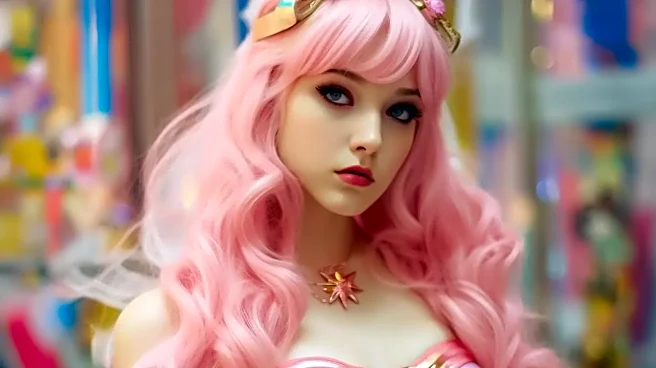
The conversation extends far beyond the panel rooms. The most visible and vibrant arguments about franchise history are worn on the attendees' backs. Cosplay at NYCC is a form of cultural analysis. Someone dressed as a battle-worn General Leia from the “Star Wars” sequels isn’t just wearing a costume; they’re making a statement about her evolution as a character. At an event attempting a world record for the largest gathering of people dressed as Spider-Man, the variations are endless, each representing a different era or interpretation of the hero. The show floor itself becomes a sea of walking, talking historical documents, where fans visually remix, critique, and celebrate the character arcs and design choices that have have defined generations of storytelling.
History in Every Hallway
Even the commerce of the convention is steeped in historical dialogue. Booths from giants like Hasbro and Marvel don't just sell the latest action figures; they often showcase them alongside their vintage predecessors, inviting comparisons about design and storytelling philosophy. Publishers like DC Comics hold panels for their Black Label and Vertigo imprints, which are often dedicated to telling stories that exist outside the mainstream, complex timeline, offering alternative histories for beloved characters. In Artist Alley, creators like Frank Miller and Jim Lee, who have shaped comic history for decades, sit just a few feet away from rising stars who are reinventing the medium. Every corner of the Javits Center, from the massive studio activations to the quiet tables in Artist Alley, is part of this continuous, sprawling conversation about where these stories have been and where they are going next.