
The Traditionalists: It's All About Warmth
The classic school of thought is rooted in seasonal color analysis. This approach argues that autumn makeup should mimic the warm, earthy colors of the season: terracotta, rust, mustard yellow, and deep olive green. According to this view, these shades
are most harmonious on people with naturally warm or golden skin undertones, often categorized as 'Autumns' in color theory. The logic is simple: match warmth with warmth. For decades, this was the undisputed rule, with artists advising clients to check their veins (greenish indicates warm) or see whether gold jewelry flatters them more than silver. The result was a prescriptive but cohesive vision of fall beauty—rich, muted, and undeniably warm.
The Modernists: Your Undertone Isn't a Rulebook
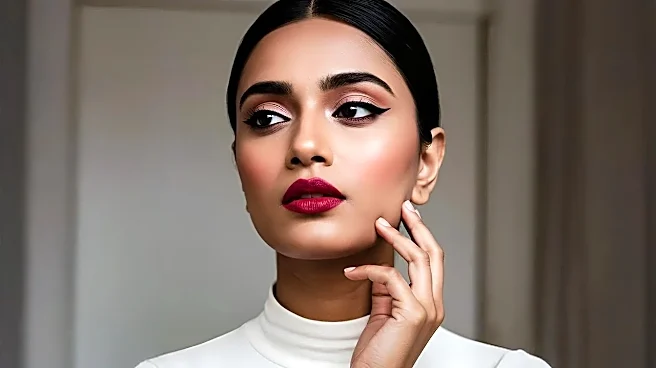
In recent years, a growing number of makeup artists have started pushing back against these strict rules. This modernist camp argues that while undertones are a helpful guide, they shouldn't be a creative prison. They point out that someone with cool, rosy undertones can absolutely wear autumnal colors. The key is finding the right version of that color. Instead of a warm, orange-based terracotta, a cool-toned person might look stunning in a deeper, brick red or a rich berry shade. This philosophy also welcomes jewel tones like sapphire, emerald, and amethyst into the autumn conversation, arguing they reflect the season's moody, rich feeling without being exclusively warm. It's less about matching your skin's temperature and more about creating a harmonious contrast.
The Trendsetters: Autumn Is Just a Vibe
Then there’s the camp influenced by social media, where trends like "latte makeup," "espresso makeup," or "strawberry girl summer" have proven that an aesthetic isn't defined by a single season. For these artists, autumn is more of a "vibe" than a set of colors. The disagreement here is whether to follow seasonal palettes at all. They might argue that a '90s-inspired minimalist look with cool-toned mattes or a glossy, radiant finish feels just as autumnal as a classic warm smokey eye. The focus shifts from specific shades to textures—like soft-matte skin, velvety lips, and subtle shimmers—that evoke a cozy, polished feeling. For this group, any color can be an autumn color if it's styled with the right mood and texture.
The Real Disagreement: A Push for Inclusivity
Ultimately, the core disagreement isn't really about orange versus plum eyeshadow. The real reason for the evolving debate is a much-needed push for inclusivity. For years, the "traditional" autumn palette was designed with a narrow range of fair-to-medium warm skin tones in mind. These classic rusts and oranges could look ashy or disappear entirely on deep skin tones, while appearing too harsh on very fair, cool complexions. The modernist and trend-led approaches are a direct response to this limitation. Artists now rightly argue that the goal should be to find shades that celebrate an individual's unique coloring, not force them into a seasonal box. The so-called disagreement is actually the sign of a healthy, evolving industry, moving from one-size-fits-all rules to a more personalized and expressive approach to beauty.