



The Loneliest Job in the Game
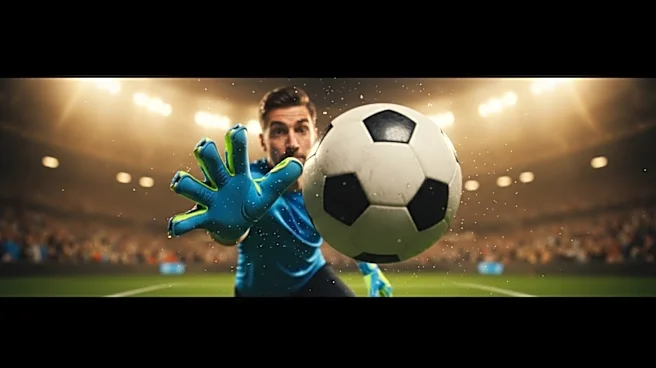
There’s a reason the goalkeeper is often called the loneliest position in sports. While outfield players operate in a fluid, interconnected system, the goalie is an island, physically and mentally detached from the flow of the game for long stretches.
They are the last line of defense, a solitary figure whose primary job is to prevent the very thing everyone else came to see: goals. This isolation creates a unique psychological burden. A striker can miss five shots and be praised for creating chances; a midfielder can make a dozen bad passes that are quickly forgotten. But a goalkeeper’s mistake is almost always magnified by the immediate, scoreboard-altering consequence. There is no one behind them to clean up the mess, making every action a potential tightrope walk between heroism and infamy.
Your Brain Is Hardwired to Blame Them
The intense scrutiny on goalkeepers isn’t just about their unique role; it’s also about how our brains process events. Humans are susceptible to what psychologists call a “negativity bias.” We naturally give more weight to negative experiences than positive ones. A dozen routine saves are expected, part of the background noise of the game. But one goal conceded? That’s a loud, dramatic event that hijacks our attention. A keeper can make nine brilliant, game-saving stops, but the one that gets past them is what replays in our minds and dominates the post-game conversation. Their successes are quiet and preventative, while their failures are loud and definitive. This makes them a magnet for our brain's inherent tendency to focus on what went wrong, rather than the nine things that went right.
The Scapegoat at the End of the Chain
When a goal is scored, it’s rarely the fault of a single person. It’s often the result of a chain reaction of errors: a lazy track-back from a forward, a missed tackle in the midfield, a defender pulled out of position. Yet, the final and most visible failure belongs to the keeper. They are the final barrier, and because they are the last player with a chance to stop the ball, they become the easy scapegoat for a collective breakdown. Teammates, coaches, and fans can unconsciously deflect blame down the chain until it lands on the one person whose mistake is most glaringly obvious. This dynamic turns the goalkeeper into a built-in pressure release valve for the team’s frustrations and shortcomings. It’s far simpler to point to the person who was last to touch the ball than to analyze the complex sequence of failures that put them in an impossible situation.
The Impossible Standard of Perfection
The best goalkeepers have an almost impossible job: make the spectacular look routine. Through years of training in anticipation, positioning, and footwork, they put themselves in the best possible spot to make a save. The result is that many truly difficult stops can look deceptively easy to the untrained eye. This creates a warped perception of their abilities. When a keeper makes a sprawling, acrobatic save, they’re a hero. But because so many of their other interventions look simple, any goal that gets past them—especially one that doesn’t look like a 100-mph rocket—is immediately questioned. “Should he have had that?” is the default fan reaction. This expectation of near-perfection, combined with the downplaying of their routine excellence, creates a scenario where any mistake feels like a shocking and unforgivable lapse, rather than an inevitable part of a high-pressure job.