






The 'Last Dance' Effect on Fandom
In 2020, ESPN’s “The Last Dance” did more than just retell the story of Michael Jordan and the Chicago Bulls; it created a powerful narrative template for sports fans. The series, a blockbuster hit, framed the Bulls’ final championship run as a dramatic,
high-stakes battle against time, egos, and management. It wasn’t just about winning; it was about legacy, goodbyes, and the desperate, beautiful struggle of legends trying to conquer the mountain one last time. That framework—the idea of a final, definitive campaign for a generational talent—has seeped into how we watch all sports now. Fans, consciously or not, are looking for those same story beats: the aging hero, the ticking clock, and the weight of a career culminating in one last tournament.
Soccer's All-Time Greats Take a Final Bow
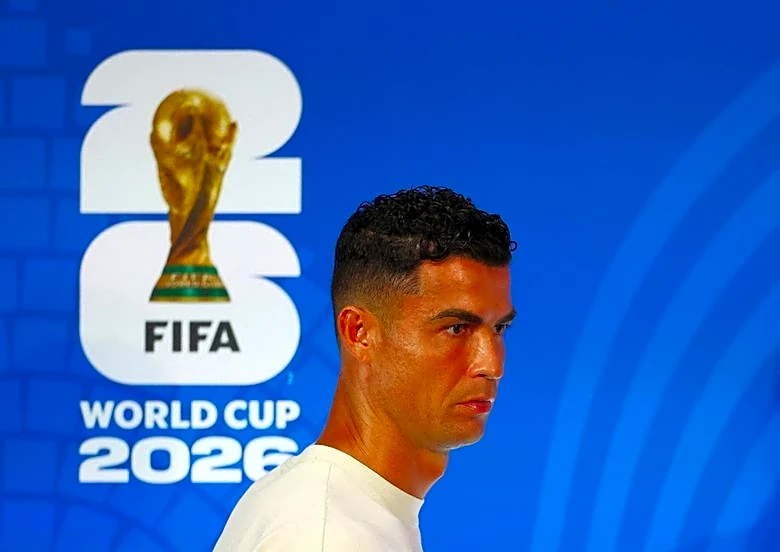
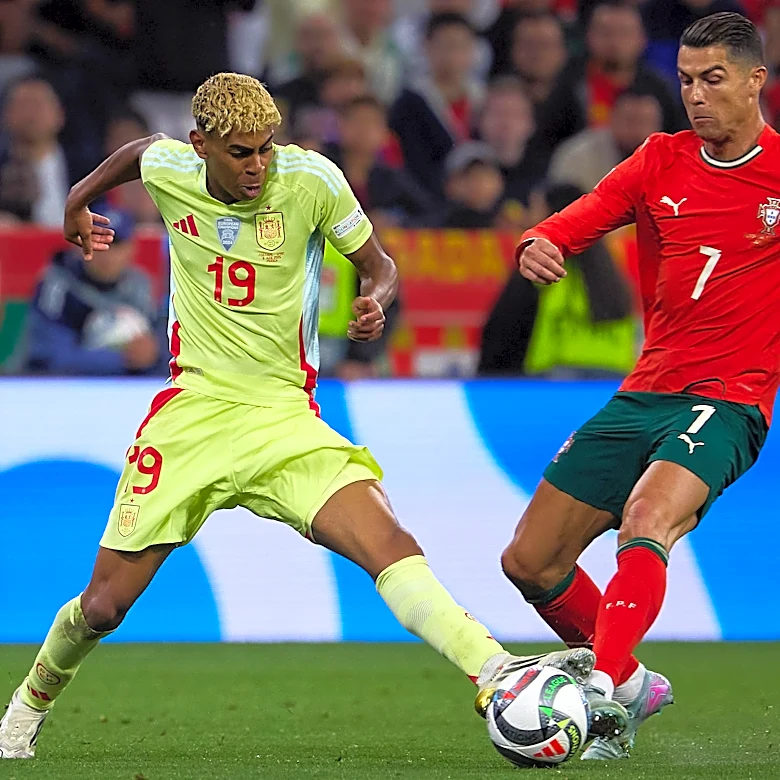
Enter the 2026 FIFA World Cup. This tournament is overflowing with players who fit the “Last Dance” mold perfectly. At 41 years old, Portugal’s Cristiano Ronaldo is playing in a record sixth World Cup, a feat unto itself. His great rival, Argentina’s Lionel Messi, is 39 and still the magical centerpiece of the defending champions. Then there’s Croatia’s midfield maestro Luka Modrić, playing at 40. These aren’t just veteran players; they are icons who have defined soccer for nearly two decades. For Ronaldo, this is definitively his final tournament. For Messi, who already achieved his crowning glory in 2022, this run feels like a victory lap laden with historical significance. Every match is a potential farewell, turning routine group stage games into must-see events.
Every Match Becomes a Legacy Play
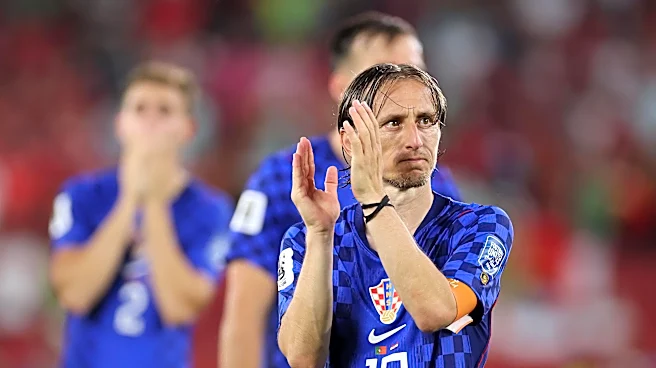
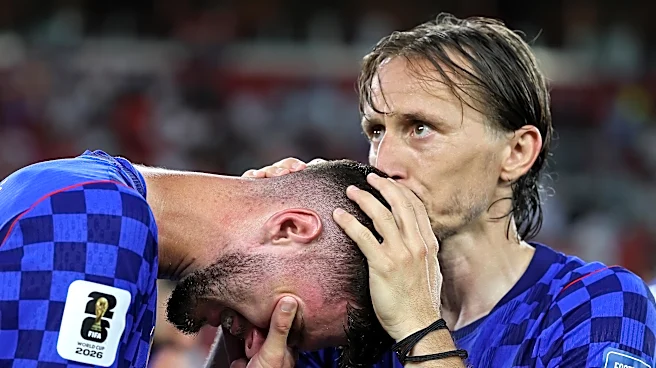
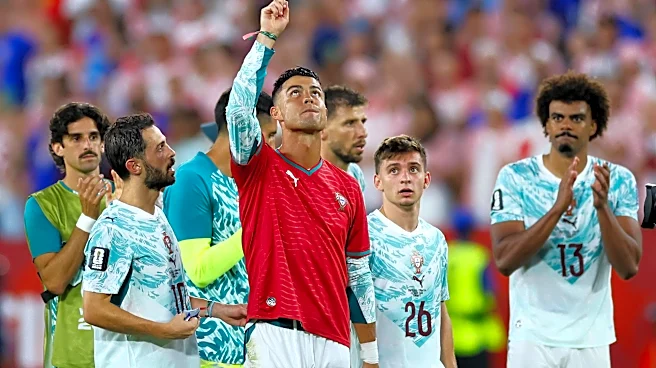
Because we’re viewing this World Cup through the “Last Dance” lens, the stakes feel intensely personal. When Ronaldo scores a penalty or gets subbed off, it’s not just a game event; it’s a chapter in the final pages of his epic career. His recent match against Croatia was a perfect example, keeping his World Cup dreams alive while sending the veteran Modrić home in what was likely his last appearance on this stage. Likewise, Messi’s every touch is scrutinized for what it adds to his GOAT resume. He entered the tournament having already won it all, yet he continues to break records, recently becoming the first player to score in eight consecutive World Cup matches. This isn’t just about another trophy; it’s about cementing an undisputed place in history, and we, the audience, get to witness the final brushstrokes on the masterpiece.
A Narrative That Enriches the Game
This framing isn’t a media invention; it’s a reflection of a real-world sporting moment. The careers of these titans have overlapped for so long that their joint farewell tour was inevitable. They have defied sports science and logic by remaining effective, even dominant, at ages when most players have long since retired. Their continued presence allows fans to layer the dramatic structure of a story like “The Last Dance” onto the tournament, making the emotional swings more profound. An early exit isn't just a loss; it's a tragic end. A victory isn't just a win; it's destiny fulfilled. This narrative context adds a layer of richness to the fan experience, transforming a global sports competition into a deeply personal and emotional journey shared by millions.