





Beyond the Obvious Details
When you’re shopping for jeans, whether online or in-store, the focus is usually on a few key things: the color and wash, the feel of the fabric, and maybe the weight of the denim. Online reviews are filled with comments on whether the jeans are true-to-size,
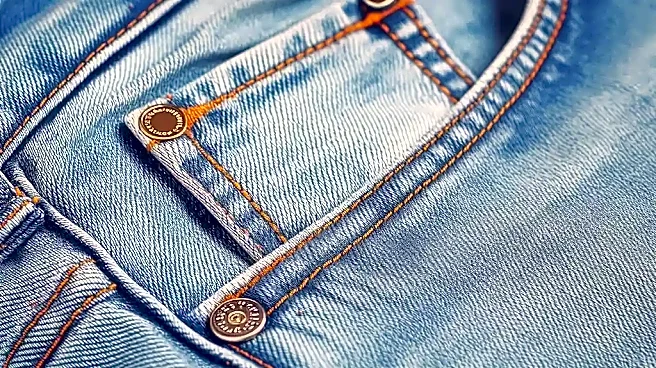
if the color matches the photo, and if the material is stiff or soft. These are all important, of course. A good pair of jeans should be made from durable cotton twill and feel substantial. Details like stitch density—how many stitches per inch are used in the seams—can signal a well-made garment built to last versus a fast-fashion piece designed to be disposable. But even with heavy denim and tight stitching, a pair of baggy jeans can still fail spectacularly in the fit department, creating a shapeless, unflattering silhouette.
The Secret Is in the Yoke
The one detail that has an outsized impact on how baggy jeans fit, yet is almost never mentioned in product descriptions or customer reviews, is the back yoke. The yoke, also called a riser, is the V-shaped seam that sits below the waistband and above the back pockets. Its primary purpose is structural: it helps shape the garment and allows it to transition from the narrower waist to the wider hips, contouring to the body's curves. While most trousers use simple darts to create shape, the yoke is a defining feature of denim construction. It's not just a decorative element; it's the architectural foundation for the entire seat of the jeans.
Why the Yoke Dictates the Drape
In a baggy jean, the yoke is arguably more important than in any other style. Because the legs and seat are intentionally oversized, the yoke is one of the few structural elements providing any shape at all. The depth and angle of its “V” determine how the fabric drapes over your seat. A deeper V-shaped yoke creates more curve, giving the jeans a more flattering and lifted appearance, even with all the extra fabric. In contrast, a very shallow or straight yoke offers less shaping, which can lead to a boxy, flat, or saggy look—the dreaded “diaper butt” that often plagues ill-fitting baggy styles. The yoke's design essentially tells the voluminous fabric where to fall, preventing the silhouette from collapsing into a shapeless mass.
How to Spot a Superior Yoke
You don't need to be a denim expert to assess a yoke. The next time you're looking at a pair of baggy jeans, flip them over. Look at the seam between the waistband and back pockets. Is it a distinct V-shape, or is it nearly straight across? A classic, flattering V-shape is the most common and often the safest bet for good fit. Some designs use an inverted V or other shapes for specific stylistic effects, but for a baggy silhouette that needs structure, a defined V-yoke is your best friend. It provides the necessary shaping to ensure the jeans hang properly from your hips, giving you that relaxed, intentional look rather than a fit that just looks two sizes too big.