


First, What Is Pitti Uomo?
Twice a year, the global menswear industry descends upon Florence for Pitti Uomo, a trade fair that has morphed into a spectator sport for style enthusiasts. You’ve probably seen the photos: impeccably dressed men, posing casually in sunglasses, in a style that’s
been dubbed “sprezzatura,” or studied carelessness. It’s easy to dismiss it as elaborate cosplay for tailors and influencers. But beneath the dazzling suits and bold colors lies a living laboratory for what actually works in clothing. These attendees aren’t just wearing expensive clothes; they’re wearing smart clothes. They’re often traveling, running between appointments, and standing in the Italian sun for hours. Their secret to looking sharp, not sloppy, isn’t a portable steamer—it’s a deep understanding of fabric.
The Real Secret: Fabric Weight and Weave
If you hate wrinkles, the single most important factor to consider when buying a garment isn’t the brand, the color, or even the cut. It’s the fabric’s weight and structure. Fabric weight is typically measured in ounces per yard (oz/yd) or grams per square meter (gsm). A higher number generally means a heavier, denser cloth. A lightweight summer shirt might be 3-4 oz, while a pair of raw denim jeans could be 14 oz or more.
Here’s the golden rule: Denser, heavier, and more structured fabrics have better “memory.” They naturally want to return to their original, smooth state. Lighter, looser fabrics have less structure and are far more prone to creasing at every point of flexion—your elbows, your lap, your back. The men at Pitti, despite dressing for warm weather, often choose fabrics that have enough heft and specific weaves to resist wrinkling, allowing them to look crisp from their morning espresso to their evening aperitivo.
Your Wrinkle-Fighting All-Stars
Armed with this knowledge, you can start building a wardrobe that works for you, not against you. Forget brand names for a second and focus on these textile champions:
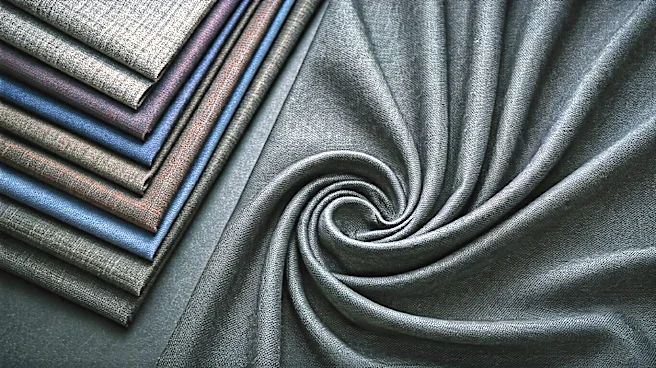
High-Twist Wool: This is the MVP. Often sold under names like “Fresco” or “Tropical Wool,” these fabrics are made from yarn that has been twisted much more tightly than usual. This creates a dry, open weave that is incredibly breathable, but the tightly-wound fibers act like tiny springs. When the fabric is crushed or creased, the yarns spring back into place. A high-twist wool trouser is the ultimate travel garment.
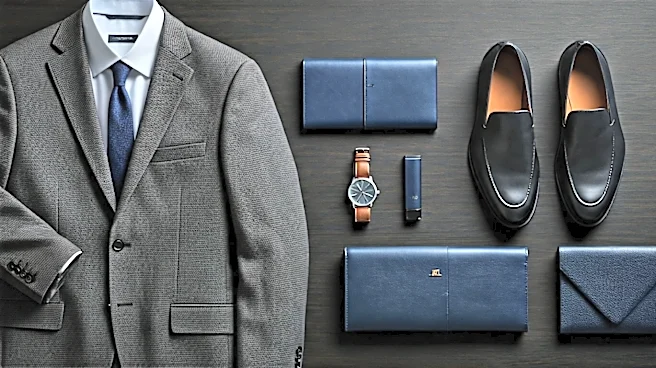
Hopsack: This is a type of weave, not a material, most often seen in wool blazers. Its distinctive basketweave texture creates tiny pockets of air, making it breathable. More importantly, the loose, rugged weave is incredibly resistant to wrinkling. It’s the reason a navy hopsack blazer can be thrown in an overhead bin and come out looking pristine.
Heavy Cotton Twill: For shirts and chinos, look for heft. A thin cotton poplin shirt will wrinkle if you look at it the wrong way. A shirt made from a sturdier Oxford cloth or a heavier-weight twill has the body to fend off creases. It might feel a bit stiffer at first, but it will look better throughout the day.
The Art of Embracing The Wrinkle
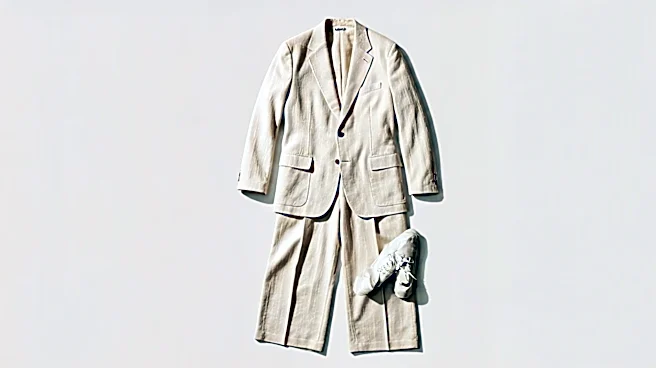
So, what about linen? Or lightweight Italian cotton? These fabrics are synonymous with summer elegance but are notorious for wrinkling. This is where a lesson in attitude, also from Pitti, comes in. Some wrinkles aren't a sign of sloppiness; they're a feature. The charm of a linen suit is its rumple. It speaks to a relaxed, comfortable ease. If you’re the kind of person who is deeply bothered by any and all creases, these fabrics aren’t for you. But if you can learn to accept a certain level of lived-in appeal, you can unlock a whole new level of style. The key is context. A beautifully wrinkled linen shirt on a summer weekend looks great. A wrinkled dress shirt in a corporate boardroom does not. Choose your battles—and your fabrics—accordingly.