

A Memorial Born from Tragedy
The tradition began not with a grand design, but with a personal loss. In 2000, artist David Best and his crew arrived at Black Rock City to build an art piece called the Temple of the Mind. Just before the event, their friend and fellow builder, Michael
Hefflin, died in a motorcycle accident. Spontaneously, the structure transformed into a memorial for their friend. What happened next was unexpected: other festival-goers, drawn to the beautiful, intricate structure, began leaving their own notes and mementos for lost loved ones. An organic, communal need had been discovered.
The Quiet Heart of the Party
The overwhelming response proved that participants craved a space for reflection amidst the surrounding revelry. The event organizers took notice, and what started as a one-off project became an annual tradition the very next year with Best's 2001 "Temple of Tears". Unlike the Man Burn on Saturday—a raucous, celebratory explosion of fireworks and music—the Temple burn on Sunday night is defined by a profound, collective silence. Tens of thousands gather to watch the structure, now covered in a week's worth of personal inscriptions, photos, and offerings, burn in a quiet, cathartic release. It’s a moment of shared grief and letting go that many attendees consider the most powerful part of their experience.
A Non-Denominational Sacred Space
Crucially, the Temple has no religious affiliation. It is a neutral, non-denominational spiritual center where all are welcome to process emotions—grief, joy, anger, or hope. The walls become a dense tapestry of human experience, covered with messages to departed parents, estranged friends, or past selves people wish to leave behind. You will see photographs, small trinkets, and deeply personal confessions left to be consumed by the flames. The structure provides a physical space for the difficult work of mourning and healing, making it a sanctuary for all, regardless of belief. Its purpose is simply to hold space for the community's collective heart.
An Evolving Architectural Tradition
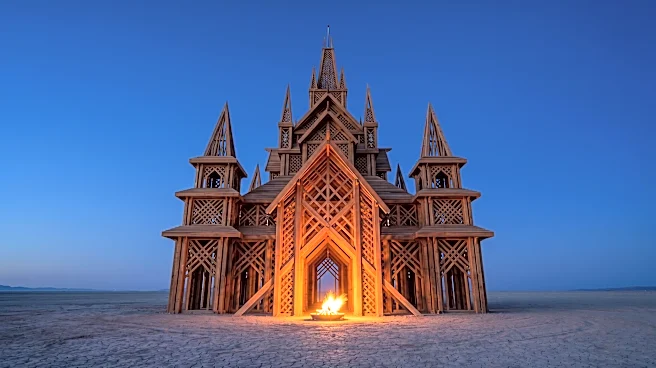
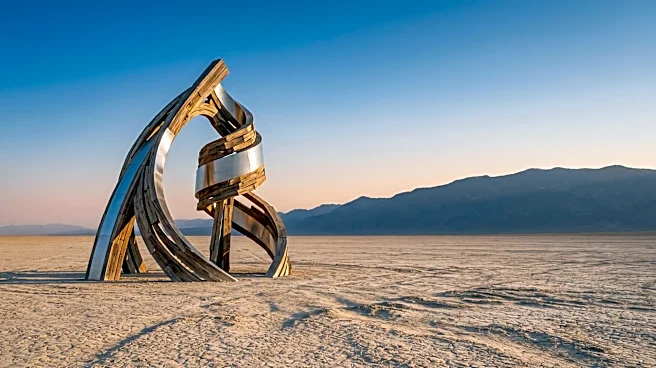
After leading the project for several years, David Best passed the torch, allowing the Temple to become a constantly evolving architectural showcase. Each year, a new artist or collective is selected to design and lead the construction, bringing a unique vision to the playa. The designs have ranged from towering neo-gothic spires to structures inspired by Lebanese weaving or the Japanese art of Kintsugi. While the aesthetics change dramatically, the core purpose remains the same: to create a beautiful, temporary space for communal remembrance and release. The annual change ensures the tradition stays fresh and creatively vital, while reinforcing its essential function as the soul of Black Rock City.