





The Sound of a New Frontier
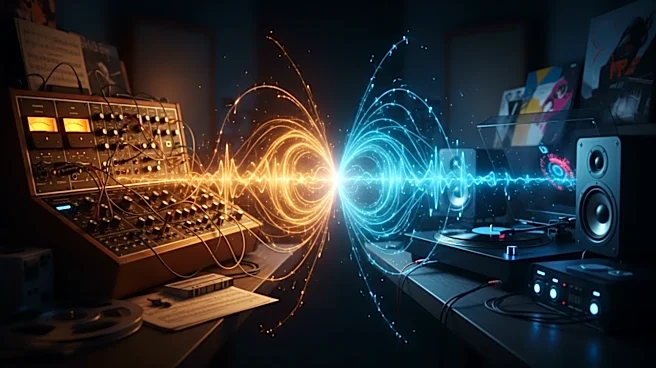
In the mid-1990s, electronic music was largely the domain of underground raves and clubs. Yet for filmmakers trying to depict the strange, new world of cyberspace, this was the perfect audio language. Mainstream rock and pop felt analog; the burgeoning
sounds of techno, trip-hop, and industrial felt like the internet itself—futuristic, complex, and a little bit dangerous. When director Iain Softley was making 1995’s Hackers, he told record companies who expected a grunge soundtrack that techno was the right fit. He argued that the internet was the “new rock ‘n’ roll” for a generation of digital natives, and it needed a counter-culture sound to match. As a result, artists like The Prodigy, Orbital, and Massive Attack were pulled from the UK rave scene and placed into the cinematic mainstream, providing a sonic backbone for a new kind of hero and a new kind of world. The music wasn’t just in the background; it signaled a cultural shift, moving from warehouses to Hollywood blockbusters.
An Anthem for Digital Anxiety
The hidden reason for this music’s impact wasn't just about sounding futuristic; it was about capturing the profound anxiety of the digital age. The 90s weren't just a time of excitement about technology, but also of deep-seated fear: of surveillance, of corporate control, of losing our humanity to machines. The soundtracks gave voice to that paranoia. The cold, metallic, and often aggressive sounds of industrial and big beat electronica mirrored the narrative themes of dystopian control. In The Matrix, the score by Don Davis was intentionally built on minimalist, scuttling patterns that evoked the cascading green code of the simulation itself, creating a sense of an oppressive, all-encompassing system. Songs from Rob Zombie and Ministry weren't chosen just for their energy; they were chosen for their hard, electronic edge, reflecting a world where the lines between man and machine were terrifyingly blurred. The music made the abstract threat of technology feel visceral and immediate.
Crafting the Anti-Establishment Hero
Before these films, the cinematic computer genius was often a socially awkward nerd. The techno-thriller, powered by its soundtrack, reinvented them as cool, rebellious anti-heroes. The music was an essential part of this transformation. Hackers were outsiders, and their playlists were filled with the anti-establishment sounds of underground electronica—the sonic equivalent of their punk ethos. The choice of music was a character trait, a declaration of identity. When Dade Murphy in Hackers meets his crew, The Prodigy’s “Voodoo People” scores the scene, injecting raw, rebellious adrenaline. In The Matrix, Neo listens to Massive Attack on his headphones, signaling his isolation and unease within the simulated world. The film famously ends with Rage Against the Machine’s defiant anthem “Wake Up,” a literal call to arms against systemic control that perfectly encapsulated the movie’s themes of rebellion and free will. The soundtrack became the hero’s uniform.
Building Worlds with Beats
Long before CGI could render every last detail of a digital landscape, music did the heavy lifting of world-building. How do you visualize an abstract concept like “cyberspace” or the feeling of breaking through a firewall? You give it a sound. The scores and soundtracks of these films created what Hackers director Iain Softley called an “altered state,” transporting the audience into the virtual fantasy world the characters inhabited. Furious typing on a keyboard became an epic battle when paired with twisted synths and soaring ambient tracks. The music filled in the emotional and atmospheric gaps, making the digital realm feel tangible, alluring, and often menacing. This is why these soundtracks became iconic. They weren’t just a collection of songs; they were a sonic time capsule of an era grappling with a future it was just beginning to understand. They functioned as a crucial piece of storytelling, defining the very texture of the digital age on screen.