




Mistake 1: Treating It Like a Spot Treatment
One of the most common errors is dabbing tretinoin only on active pimples. While it treats acne, it's not a spot treatment in the vein of benzoyl peroxide. Tretinoin works by regulating your skin's cell turnover cycle over the long term. This process
prevents future breakouts by keeping pores from getting clogged in the first place. For this to work, you need to apply a thin layer to the entire affected area (like your full face), not just existing blemishes. Think of it as preventative maintenance for your skin, not emergency repair.
Mistake 2: Believing More Is More
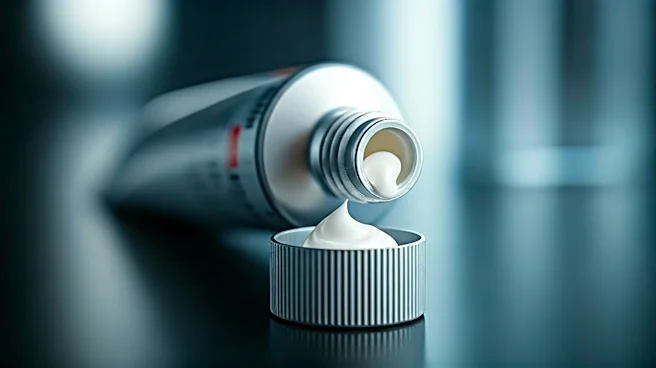
When you want results, it’s tempting to slather on a thick layer of product, hoping to speed things up. With tretinoin, this is a recipe for a painful, peeling disaster. Dermatologists are unified on this: a pea-sized amount is all you need for your entire face. Using more won't make it work faster; it will only increase the likelihood of severe dryness, redness, and irritation. Dot the pea-sized amount on your forehead, cheeks, and chin, then gently spread it into a thin, even layer. Your skin—and your wallet—will thank you.
Mistake 3: Fearing the 'Purge'
About two to four weeks into using tretinoin, many users experience a dreaded phenomenon: their skin gets worse. This is often called "the purge." Because tretinoin is accelerating skin cell turnover, it brings all the micro-comedones (pre-pimples) lurking beneath the surface to a head at once. It looks and feels like a breakout, causing many to believe the product isn't working and quit. But this is often a sign that it *is* working. The key is to distinguish a purge from an allergic reaction or severe irritation. A purge typically occurs in your usual breakout zones and clears up within a few weeks. Sticking with it (gently) is crucial for getting to the clear skin on the other side.
Mistake 4: Skipping the Sunscreen
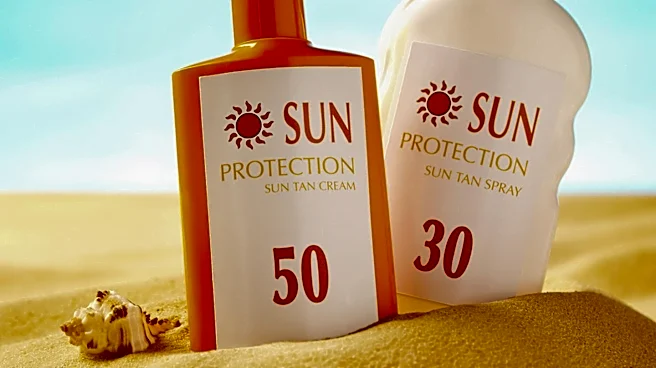
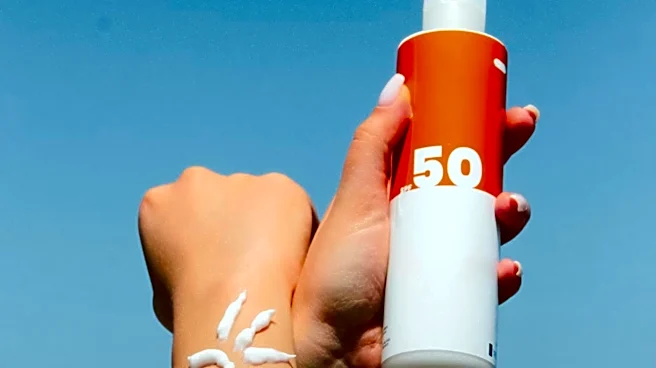
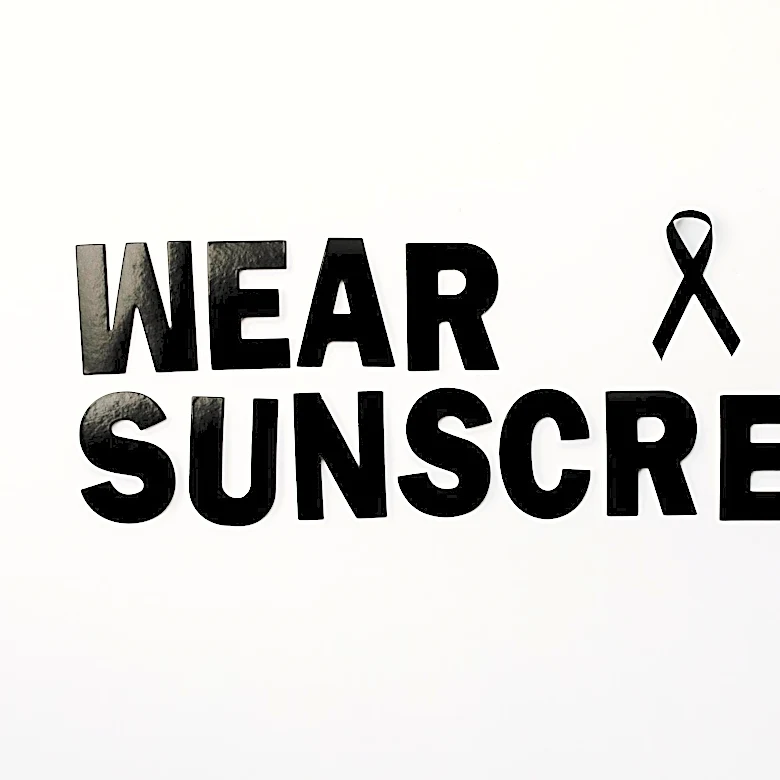
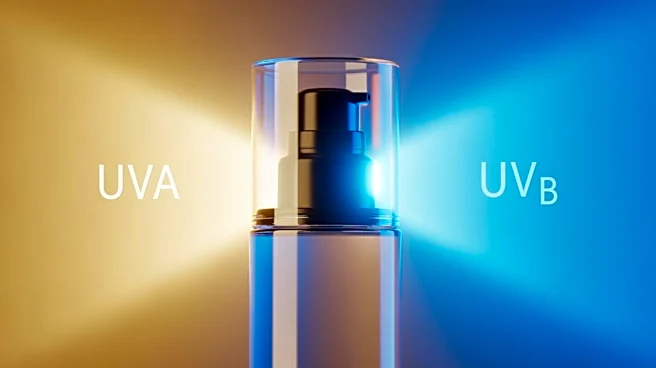
This is the most critical, non-negotiable rule of using any retinoid, especially prescription-strength tretinoin. The ingredient makes your skin significantly more sensitive to the sun's UV rays. Going without sunscreen is like undoing all your hard work while simultaneously inviting sun damage, hyperpigmentation, and increasing your risk of skin cancer. Using tretinoin without a daily, broad-spectrum sunscreen of at least SPF 30 is not just counterproductive; it's dangerous. It should be the very last step of your morning skincare routine, every single day, rain or shine.
Mistake 5: Confusing It With Over-the-Counter Retinol
Many people hear "retinoid" and think of the gentler retinol products available at any drugstore. While they come from the same vitamin A family, they aren't the same. Retinol is a weaker cosmetic ingredient that your skin must convert into retinoic acid to use. Tretinoin *is* retinoic acid. It’s a prescription drug that is estimated to be 20 times more potent than retinol. This difference in strength explains why tretinoin delivers more dramatic results but also comes with a higher potential for irritation and requires a doctor's supervision. Misreading tretinoin as just a stronger version of what you can buy at Target leads people to use it too aggressively and without proper guidance.