




The Unwritten Rule of Horror
For decades, horror has operated on a simple, primal principle: darkness is scary. Filmmakers have masterfully used shadows and the absence of light to prey on our most basic fears. What you can't see is more terrifying than what you can, forcing your
imagination to conjure threats far worse than anything a special effects artist could. This is the cinematic language we’ve all learned to understand. A flickering light in a basement, the impenetrable darkness of a forest at night, a long, unlit hallway—these are the building blocks of suspense. They signal danger, promising that something monstrous is hiding just out of sight. It’s a reliable formula because it taps into a fundamental human instinct: light means safety, and dark means danger.
Nowhere Left to Hide
Then came the films that broke the rule. The modern poster child for this is Ari Aster’s Midsommar, a film that unfolds almost entirely under the relentless glare of the Swedish midsummer sun. There are no shadows for monsters to lurk in because there are no shadows at all. The horror isn’t hidden; it’s right there in front of you, surrounded by lush grass and smiling people in white linen. The film's most shocking moments, from ritualistic suicides to gruesome sacrifices, happen in bright, pastoral settings. This technique owes a massive debt to the 1973 folk-horror classic The Wicker Man, where a police sergeant investigates a disappearance on a remote Scottish island populated by cheerful, singing pagans. The island is beautiful and sun-drenched, yet the atmosphere is thick with an unnerving sense of wrongness that culminates in a terrifying, sun-scorched finale.
Violating Your Sense of Safety
So why is this so effective? It’s all about subverting expectations. Our brains are wired to associate daylight and bright, open spaces with safety. It's the time we're most active, most social, and least vulnerable. When a filmmaker takes that universally understood safe space and makes it the setting for abject terror, it creates a powerful sense of psychological dissonance. There is no relief, no comforting sunrise to wait for. The dread is inescapable. This isn't about a fleeting jump scare; it's about dismantling the viewer’s fundamental sense of security. The horror feels more real and violating because it's happening in a context where we believe we should be safe. The bright colors and beautiful scenery contrast so sharply with the horrific events that the disturbance lingers long after the credits roll.
Terror Under the Sun
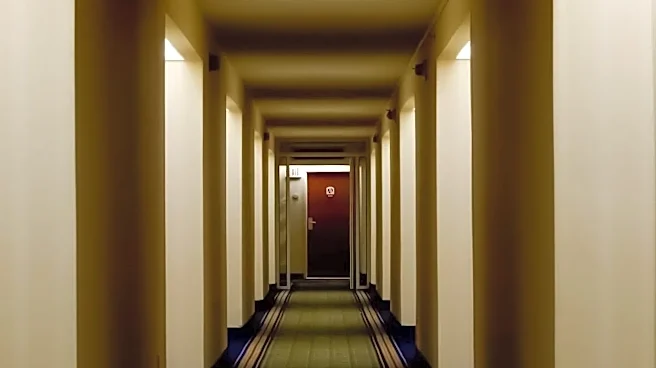
While folk horror has perfected this technique, it’s not limited to the subgenre. Stanley Kubrick’s The Shining uses the vast, brightly-lit, and eerily empty halls of the Overlook Hotel to create a sense of agoraphobic dread. The horror isn't just in the hotel's dark corners, but in its overwhelming, sterile brightness. Similarly, films like It Follows find terror in the mundane, sunlit suburbs, where the threat isn't a monster in the closet but a slow, relentless figure walking towards you on a perfectly normal afternoon. Even a classic like The Texas Chain Saw Massacre uses the harsh Texas sun to amplify its grimy, unnerving atmosphere, proving that a feeling of oppressive heat and exposure can be just as scary as a cold, dark night. These films understand that true horror isn't about what's hiding in the dark, but the realization that sometimes, there's nowhere to hide at all.