



Wimbledon’s Unspoken Style Rules
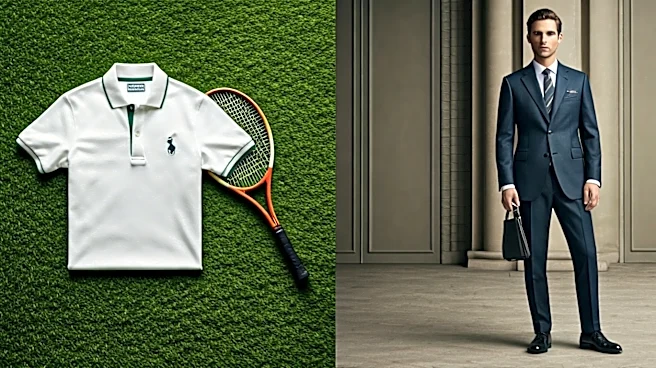
While players adhere to a famously strict all-white mandate, spectators operate under a more relaxed, though influential, code of smart casual. There are no official requirements for the general public, but for those in debenture seats or the ultra-exclusive
Royal Box, dressing up is part of the experience. The vibe is less about chasing fleeting trends and more about a timeless, polished elegance—think lightweight fabrics, tailored separates, and a general air of refined summer style. It's a setting that prizes restraint and rejects anything too loud or attention-seeking, making it the perfect stage for an accessory that whispers its credentials rather than shouts.
The Rise of the Humble Court Sneaker
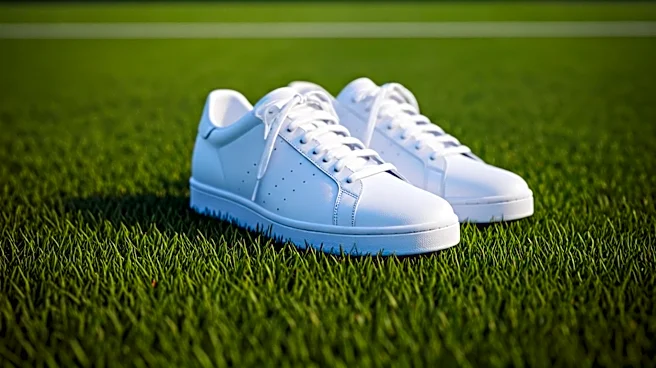
The white sneaker's journey from athletic gear to fashion icon is a story of quiet revolution. Its origins trace back to the early 20th century with canvas plimsolls and Converse basketball shoes, but the leather court sneaker as we know it arrived in the 1960s. Initially designed for tennis players needing more support, shoes like the Adidas Robert Haillet—later renamed the Stan Smith—offered a clean, durable, and functional design. Over the decades, these sneakers stepped off the court and onto the pavement, their minimalist aesthetic making them incredibly versatile. Stripped of color, the focus becomes the shoe's pure form, a blank canvas that complements almost any outfit. Today, they are a universal staple, a symbol of effortless cool embraced by everyone from students to high-fashion connoisseurs.
Decoding Parisian Minimalism
Parisian style is less a trend and more a philosophy built on the principle of "less is more." It's an approach centered on investing in high-quality, timeless basics—a perfect trench coat, well-fitting straight-leg jeans, a classic white shirt—that can be worn for years. The color palette is predominantly neutral: black, white, navy, and beige form the foundation of a wardrobe that prioritizes fit, fabric, and silhouette over logos and loud patterns. Accessories are minimal and intentional, often just one statement piece like a silk scarf or a beautifully structured bag. The overall effect is one of effortless elegance, a balance of casual and polished that looks considered but never overdone. It’s a style that finds its power in restraint.
A Match Made in Style Heaven
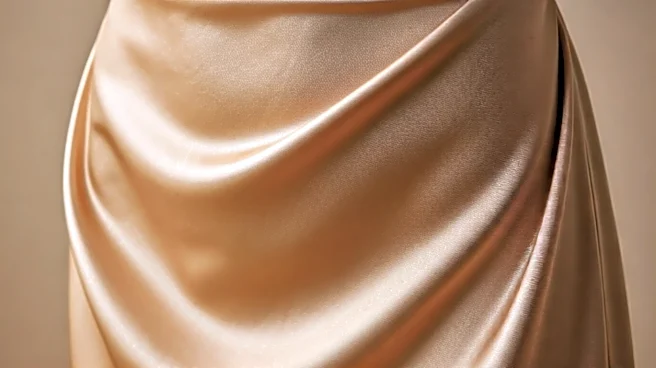
So, how does a simple athletic shoe become the go-to for Wimbledon's discerning crowd? It succeeds because it perfectly bridges these two worlds. The white leather sneaker satisfies Wimbledon's smart-casual code while embodying the core tenets of Parisian minimalism. It's comfortable enough for a long day of spectating but structured enough to look polished. It adheres to the spirit of the “tennis whites” tradition many guests enjoy nodding to, yet it feels modern and unstuffy. Much like a Parisian might pair a dressy silk skirt with a simple t-shirt, wearing a sneaker to a prestigious event like Wimbledon strikes that ideal balance between dressy and casual, signaling a confident, relaxed approach to style.
The New Symbol of Quiet Luxury
In the current era of “quiet luxury,” where the focus is on craftsmanship and timelessness over flashy branding, the white court sneaker has found its ultimate role. This movement favors longevity and understated quality, and a well-made leather sneaker fits the description perfectly. Choosing a simple, classic sneaker over a more ostentatious shoe is an intentional act of sartorial restraint. It communicates an understanding that true style doesn't need to shout. It shows an appreciation for heritage and design, blending the history of sport with the principles of modern minimalism. In the stands of Centre Court, surrounded by the echoes of tradition, the white sneaker isn’t just a shoe; it’s a statement about enduring style in a world obsessed with the next new thing.