




A Song Too Slow for Oz
During the final edits of “The Wizard of Oz” in 1939, executives at Metro-Goldwyn-Mayer, including the formidable studio head Louis B. Mayer, had a serious problem with the Kansas sequence. They felt the black-and-white opening dragged on, delaying the spectacle
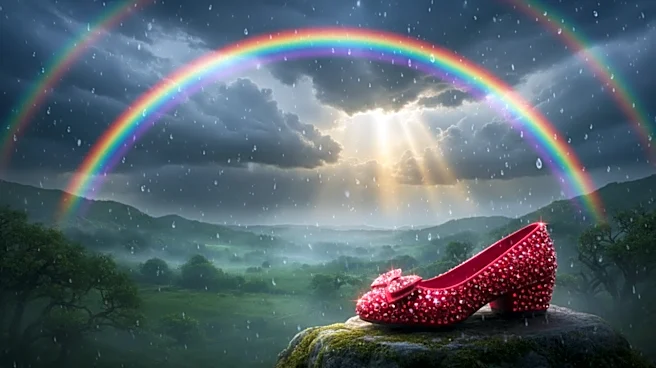
of Technicolor that was the film’s main selling point. Their biggest target was a slow, somber ballad sung by a teenage girl in a barnyard. They argued the song, “Over the Rainbow,” slowed the pace, was too emotionally complex for children, and that it was undignified for a star like Judy Garland to sing while leaning against a haystack. Following a test screening, the order was given: cut the song.
The Fight for the Rainbow
While the headline suggests a direct confrontation, the reality of the studio system meant that 16-year-old Garland didn't have the power to fight Mayer herself. The battle was waged on her behalf. Associate producer Arthur Freed, who had championed the songwriters Harold Arlen and Yip Harburg, was furious. He, along with producer Mervyn LeRoy, saw the song as the entire emotional anchor of the film. It was Dorothy's “I Want” song, the piece that established her character’s deep yearning for something more, making her journey to Oz meaningful. After arguments about its artistic importance failed, Freed reportedly issued an ultimatum to Mayer: “The song stays—or I go.”
Let the Girl Sing the Song
Faced with losing a key producer, Mayer relented. Accounts recall him saying something to the effect of, “Let the boys have the damn song. Put it back in the picture. It can't hurt.” It was a grudging concession, one based more on studio politics than a sudden artistic revelation. The executives who had deemed it a pace-killer were overruled, and “Over the Rainbow” was secured in the final cut just weeks before the film’s premiere. A reprised, tearful version of the song, which Garland was to sing while trapped in the Witch's castle, was also filmed but ultimately cut for being too intense and for timing reasons.
A Legacy Beyond Measure
The studio's fears proved famously unfounded. Not only did “The Wizard of Oz” become a cinematic landmark, but “Over the Rainbow” won the Academy Award for Best Original Song. More importantly, it became Garland’s signature piece, a song that defined her entire career and followed her through decades of triumphant and tragic performances. The Recording Industry Association of America and the National Endowment for the Arts would later name it the greatest song of the 20th century. The struggle to keep it in the film highlights the eternal conflict between commerce and art in Hollywood, and how close audiences came to missing out on the most powerful moment in a timeless classic.