




More Than Just a Clean-Shaven Jaw
For decades, the pinnacle of male grooming on the runway was a look of rugged, yet effortless, perfection: sharp jawlines, perfect hair, and skin that looked healthy but untouched. The goal was to enhance a very specific, traditional form of masculinity.
[6] Today, that paradigm is shifting. Recent collections for Spring/Summer 2026 and Fall/Winter 2025 have shown a marked departure from this norm. At shows like Setchu, models were seen with green lipstick and bold eyeshadow. [1] Meanwhile, designers like Kenzo and Doublet used dark lipstick to add a serious, moody touch to their collections. [1] This isn't about making men look 'pretty' in a conventional sense; it's about using the face as a canvas for artistic expression and moving beyond a narrow, singular ideal of masculinity. [6]
The Softer Side of Strength
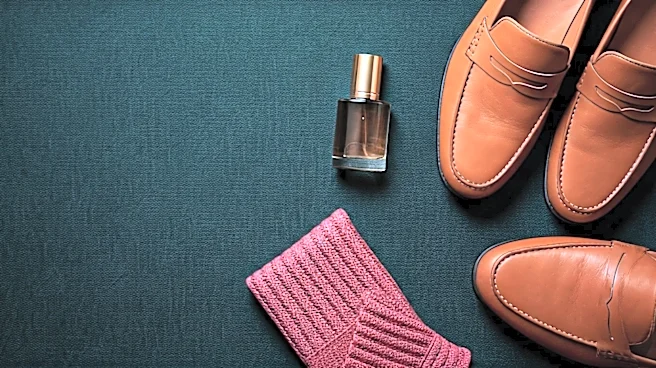
This evolution in beauty is intrinsically linked to a broader cultural conversation about what it means to be a man. Designers are increasingly embracing a more fluid and diverse expression of masculinity. [2] Visionaries like Alessandro Michele (formerly of Gucci) and Jonathan Anderson at Loewe have been pioneers, creating gender-fluid collections that give men the confidence to explore styles outside of traditional norms. [2] This is reflected in the details. At Dior Men, Kim Jones has showcased refined silhouettes in delicate powder pink, while Pharrell Williams' collections for Louis Vuitton have featured everything from pink cardigans to pearl necklaces. [3, 18] These choices on the world's biggest stages signal a move away from rigid gender distinctions, blurring the lines between what has historically been considered 'menswear' and 'womenswear'. [2, 5]
It's All in the Details
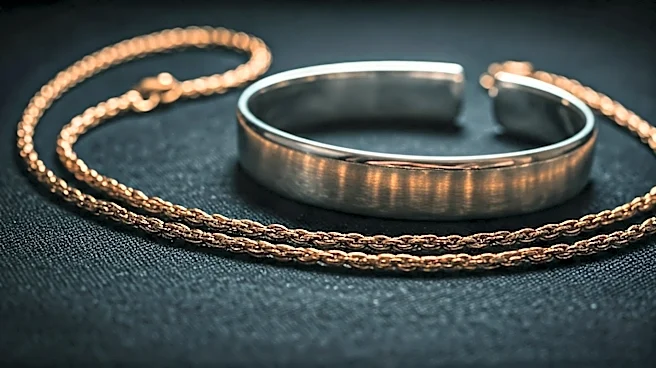
The rewriting of gender rules isn't always as overt as a full face of makeup. Often, the most powerful statements are in the details. Long hair, once a symbol of counter-culture rebellion in the 60s and 70s, is now a high-fashion staple. [1, 8] On the Spring 2026 runways, Yohji Yamamoto featured models with long afros and cornrows, while Comme des Garçons Homme Plus showcased dramatic, waist-length braids. [1] It’s a move toward individuality and a rejection of the uniform, Eurocentric hairstyles that once dominated men's shows. [6] This embrace of expressive details extends to accessories and other forms of self-adornment, from the nail art seen on social media influencers to the delicate jewelry becoming commonplace on and off the runway, further breaking down the strict codes that have long governed male presentation. [5]
From Runway to the Real World
While high fashion can often feel distant from everyday life, these trends are not happening in a vacuum. The rise of male beauty influencers on platforms like TikTok and Instagram has played a crucial role in normalizing makeup and expressive grooming for men. [17] Creators like Aditya Madiraju and Shivam Bhardwaj have amassed huge followings by sharing everything from concealer tutorials to bold, experimental makeup looks, often discussing the stereotypes they face in the process. [23] This digital movement, combined with high-profile celebrities like Harry Styles and Jaden Smith embracing a more fluid style, helps translate runway concepts to a mainstream audience. [17] As a result, the global men's grooming market is booming, expected to be worth over $60 billion by the end of 2024, signaling a profound cultural shift toward self-care and self-expression that transcends gender boundaries. [10, 11]